



An oak wine rack represents far more than simple storage-it combines centuries of woodworking tradition with contemporary design sensibilities to create a functional piece that elevates any space. Whether you're curating a collection in a residential cellar or designing a commercial wine display for a restaurant, understanding the unique properties and advantages of oak construction helps you make informed decisions that balance aesthetics, durability, and value. This comprehensive guide explores everything you need to know about selecting, styling, and maintaining oak wine storage solutions in 2026.
Why Oak Remains the Premier Choice for Wine Storage
Oak has dominated wine-related applications for generations, and its prominence in wine rack construction stems from the same qualities that make it invaluable in winemaking itself. The timber's inherent strength provides exceptional load-bearing capacity, crucial when supporting the considerable weight of multiple bottles stacked vertically or horizontally. Unlike softer woods that may sag or deform over time, oak maintains its structural integrity even under sustained pressure.
Exceptional Durability and Longevity
The cellular structure of oak contains high concentrations of tyloses-natural compounds that fill the wood's vessels and create a remarkably dense material. This density translates directly into resistance against physical damage, ensuring your wine rack withstands daily use without scratches, dents, or surface degradation. Oak wood properties include outstanding mechanical strength and natural resistance to fungi, making it particularly suitable for cellar environments where humidity levels fluctuate.
Key durability factors include:
- Hardness rating of approximately 1,300 pounds-force on the Janka scale
- Natural tannins that provide inherent antimicrobial protection
- Minimal expansion and contraction with temperature changes
- Resistance to splitting and warping in humid conditions
Oak's tight grain structure also prevents moisture penetration, protecting stored bottles from environmental variations that could potentially affect wine quality. This stability proves particularly valuable in wine cellars where maintaining consistent conditions is paramount.
Design Versatility Across Interior Styles
One compelling advantage of an oak wine rack lies in its remarkable adaptability to diverse aesthetic preferences. The natural grain patterns and warm tones complement everything from traditional country kitchens to minimalist Scandinavian-inspired spaces, creating visual continuity without overwhelming existing design elements.
Contemporary Minimalism Meets Natural Warmth
Modern oak wine racks often feature clean lines and geometric simplicity, allowing the wood's inherent beauty to serve as the primary decorative element. Wall-mounted configurations create floating displays that maximize floor space whilst showcasing bottles as functional art. Freestanding modular systems offer flexibility for evolving collections, with stackable components that expand vertically or horizontally as your needs change.
For commercial applications in restaurants and hotels, oak wine storage becomes an architectural statement. Floor-to-ceiling installations create dramatic focal points in dining areas, whilst countertop models provide accessible storage behind bars and serving stations. The wood's professional appearance conveys quality and attention to detail-qualities that resonate with discerning clientele.
| Design Style | Ideal Oak Finish | Best Configuration |
|---|---|---|
| Scandinavian | Natural or light oil | Wall-mounted, modular |
| Industrial | Smoked or dark stain | Freestanding, metal accents |
| Traditional | Medium stain, lacquered | Built-in cabinetry style |
| Rustic | Rough-sawn, oil finish | Horizontal barrel-style |
The relationship between oak and wine extends beyond mere storage. Oak’s role in winemaking involves complex chemical interactions that enhance flavour profiles, and displaying wine on oak racks creates a subtle thematic connection that wine enthusiasts appreciate.
Structural Considerations and Bottle Capacity
Designing or selecting an oak wine rack requires careful attention to structural engineering principles that ensure safe, long-term performance. Standard wine bottles weigh approximately 1.2 to 1.5 kilograms when filled, meaning a 50-bottle rack must support upwards of 75 kilograms whilst maintaining stability and ease of access.
Load Distribution and Support Systems
Professional-grade oak wine racks incorporate multiple load distribution strategies to prevent stress concentration at any single point. Horizontal bottle supports should measure at least 20-25 millimetres in diameter to distribute weight without creating pressure points that could damage labels or compromise bottle integrity. Vertical dividers spaced at appropriate intervals prevent bottles from shifting or rolling whilst allowing adequate air circulation.
- Calculate total weight capacity including wood structure and maximum bottle load
- Ensure base dimensions provide stable footprint (width should equal or exceed height)
- Position heavier bottles on lower shelves to lower centre of gravity
- Incorporate diagonal bracing in taller freestanding units
- Use appropriate wall anchors for mounted designs, rated for three times the expected load
The thickness of oak components directly impacts both strength and aesthetic proportions. Shelving between 18-25 millimetres thick offers optimal balance, appearing substantial without creating visual bulk. For larger installations housing 100+ bottles, consider consulting structural specifications to ensure adequate support throughout the system.
Sustainable Sourcing and Environmental Impact
Conscious consumers in 2026 increasingly prioritise sustainability credentials when selecting furniture, and oak wine racks manufactured from responsibly harvested timber align with environmental values without compromising quality. FSC certification guarantees wood originates from forests managed according to strict ecological, social, and economic standards.
Carbon Footprint and Lifecycle Considerations
Solid wood furniture functions as a long-term carbon store, sequestering atmospheric CO₂ throughout its service life. An oak wine rack crafted from sustainably sourced timber and built to last decades represents a significantly lower environmental impact than mass-produced alternatives requiring frequent replacement. Oak’s durability characteristics ensure these pieces become heirloom items rather than disposable goods.
Manufacturing processes also influence overall sustainability. Made-to-order production eliminates wasteful overstock whilst allowing customisation that perfectly suits individual requirements. European manufacturers employing traditional joinery techniques often achieve superior longevity compared to assembly-line products relying on mechanical fasteners and adhesives.
Sustainability checklist for oak wine racks:
- FSC or PEFC certification confirming responsible forestry
- Local or regional sourcing to minimise transportation emissions
- Natural oil or water-based finishes avoiding volatile organic compounds
- Modular design enabling repairs and reconfiguration
- Transparent supply chain documentation
Choosing handcrafted oak wine storage from European producers supports traditional craftsmanship whilst reducing the carbon footprint associated with intercontinental shipping. These considerations prove particularly relevant for hospitality businesses seeking to strengthen sustainability messaging to environmentally aware guests.
Finish Options and Maintenance Requirements
The final appearance and long-term care of an oak wine rack depends significantly on the finish treatment applied during manufacture. Each approach offers distinct aesthetic qualities whilst influencing maintenance protocols and ageing characteristics.
Natural Oils Versus Lacquered Surfaces
Natural oil finishes penetrate oak's cellular structure, enhancing grain patterns whilst allowing the wood to breathe and develop character over time. These treatments require periodic reapplication-typically annually in residential settings-but facilitate easy spot repairs and create a tactile, organic surface quality. Oil-finished oak gradually develops a rich patina that many collectors find appealing.
Lacquered or polyurethane finishes create protective surface barriers that resist moisture, scratches, and staining more effectively than oil treatments. These coatings demand less frequent maintenance but show wear more obviously when damaged, often requiring professional refinishing to restore appearance. For wine rack construction, lacquered finishes prove particularly practical in commercial environments where frequent cleaning is necessary.
| Finish Type | Maintenance Frequency | Durability | Aesthetic Character |
|---|---|---|---|
| Natural oil | 12-18 months | Moderate | Warm, matte, tactile |
| Hard wax oil | 18-24 months | Good | Semi-matte, enhanced grain |
| Water-based lacquer | 3-5 years | Excellent | Clear, contemporary |
| Traditional varnish | 5-7 years | Very good | Glossy, formal |
Smoked oak represents a distinctive finish option that involves exposing timber to ammonia fumes, triggering chemical reactions with natural tannins to create rich brown tones without surface coatings. This treatment penetrates throughout the wood thickness, ensuring colour consistency even if surfaces become scratched or abraded over time.
Modular Systems and Expandable Configurations
Contemporary wine collectors appreciate flexibility in storage solutions, and modular oak wine racks address this need through stackable, connectable designs that grow alongside developing collections. These systems typically feature standardised dimensions allowing vertical or horizontal expansion whilst maintaining visual cohesion.
Planning for Collection Growth
When selecting a modular oak wine rack system, consider both current capacity requirements and realistic projections for collection expansion over the next 3-5 years. Starting with a foundation unit housing 20-30 bottles and adding identical modules as needed prevents the mismatched appearance that results from combining incompatible designs purchased years apart.
Commercial applications particularly benefit from modular approaches. Restaurants can begin with compact display units and expand into full wall installations as wine programmes develop. Hotels converting unused spaces into wine cellars implement phased construction, spreading capital investment across multiple budget cycles whilst maintaining design continuity.
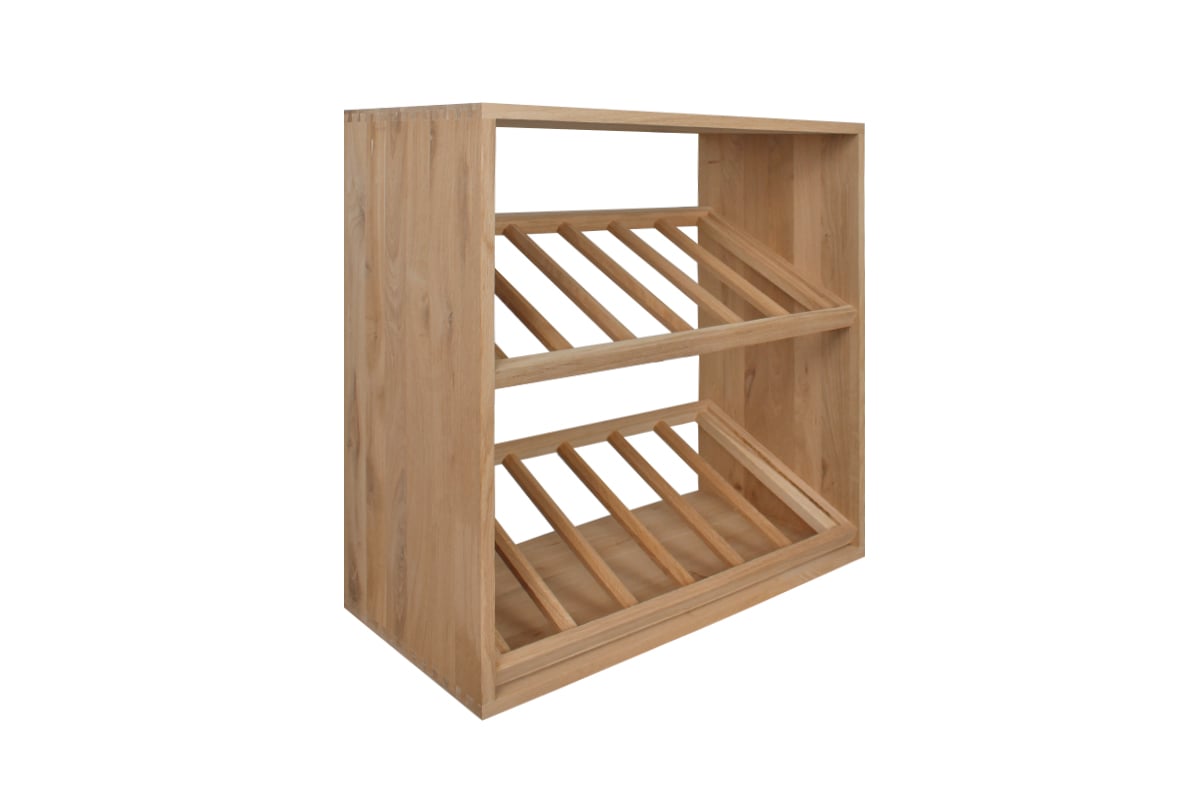
Museliving wine racks exemplify this modular philosophy, offering handcrafted Scandinavian designs in solid oak that connect seamlessly for customised configurations. These made-to-order systems accommodate specific spatial constraints whilst providing the premium aesthetics and durability expected in high-end residential and commercial settings.
Proper Wine Storage Principles
Whilst an oak wine rack provides the structural foundation for collection storage, understanding proper wine preservation principles ensures your investment in quality bottles remains protected. Temperature stability, humidity control, and bottle positioning all influence how wine matures and maintains its intended characteristics.
Horizontal Positioning and Cork Preservation
Wine bottles should rest horizontally within rack systems, keeping corks in constant contact with liquid. This moisture prevents cork desiccation and the subsequent oxidation that ruins wine quality. Oak aging techniques in winemaking demonstrate wood's complementary relationship with wine preservation, and storing bottles in oak racks creates a thematically appropriate environment.
Essential storage conditions:
- Temperature range: 10-15°C for long-term ageing
- Humidity levels: 60-70% to prevent cork deterioration
- Minimal vibration to avoid disturbing sediment
- Protection from direct sunlight and UV exposure
- Adequate spacing for air circulation between bottles
An oak wine rack positioned in a dedicated cellar or temperature-controlled storage area provides ideal conditions. For above-ground installations in living spaces, select locations away from heating sources, kitchen appliances, and windows receiving direct sun exposure. Interior rooms maintain more stable temperatures than external walls subject to outdoor temperature fluctuations.
Customisation Options for Unique Spaces
Standard wine rack dimensions suit typical bottle sizes and common architectural spaces, but many situations demand bespoke solutions accommodating unusual proportions, oversized formats, or specific aesthetic requirements. Custom oak wine racks address these challenges whilst integrating seamlessly with existing architecture and interior design schemes.
Addressing Architectural Constraints
Alcoves, under-stair spaces, awkward corners, and narrow passages often represent underutilised areas perfect for wine storage-provided you commission appropriately dimensioned solutions. Professional manufacturers take precise measurements and create CAD renderings showing how custom oak wine racks will fit and function within challenging spaces.
Consider these customisation possibilities:
- Bottle capacity variations: Accommodate magnums, half-bottles, or champagne formats requiring different spacing
- Depth adjustments: Create shallow racks for tight spaces or deep units maximising capacity
- Integrated features: Include stemware storage, serving surfaces, or display shelving for decanters
- Finish matching: Coordinate oak tones with existing cabinetry or flooring
- Hardware selection: Choose pulls, handles, and hinges complementing overall design language
Commercial clients frequently require custom oak wine racks incorporating branding elements, specific bottle orientations for label visibility, or dimensions coordinating with bar millwork and restaurant design packages. Made-to-order manufacturing accommodates these unique requirements without the premium pricing typically associated with one-off furniture production.
Installation Considerations and Safety
Proper installation ensures an oak wine rack functions safely and maintains its appearance throughout years of service. Wall-mounted designs demand particular attention to structural anchoring, whilst freestanding units require level surfaces and appropriate positioning relative to traffic patterns.
Wall-Mounted Installation Best Practices
Identifying wall studs or masonry anchoring points is essential before installing mounted oak wine racks. The combined weight of structure plus bottles can exceed 100 kilograms for larger installations, necessitating robust fixings capable of sustaining these loads with substantial safety margins. Never rely solely on plasterboard anchors for wine rack installations.
For masonry walls, use appropriate concrete anchors or chemical fixings rated for the specific load. Timber stud walls benefit from lag bolts driven directly into studs, distributing weight across multiple fixing points. Professional installation services typically guarantee their work and carry appropriate insurance covering potential damage from installation failures.
| Wall Type | Recommended Fixing | Load Capacity per Point |
|---|---|---|
| Solid masonry | Expansion anchors | 50-75 kg |
| Timber studs | Lag bolts into studs | 30-50 kg |
| Plasterboard | Toggle fixings (light racks only) | 10-15 kg |
| Cavity walls | Cavity anchors | 25-40 kg |
Freestanding oak wine racks should sit on level surfaces, with adjustable feet compensating for minor floor irregularities. Position these units against walls when possible, using anti-tip brackets similar to those recommended for bookcases and tall cabinets. This precaution proves particularly important in households with children or in seismic zones where earthquake safety demands secure furniture anchoring.
Commercial Applications and Hospitality Design
Restaurants, wine bars, hotels, and retail environments utilise oak wine racks as both functional storage and powerful design elements that communicate quality and expertise. These installations often serve dual purposes: practical bottle access for staff and visual merchandising that enhances guest experience.
Creating Theatrical Wine Displays
Strategic lighting transforms an oak wine rack from simple storage into captivating focal points that draw attention and create ambience. LED strip lighting integrated into shelving edges illuminates bottles from below, creating a warm glow that highlights label artwork whilst conserving energy. Recessed spotlights positioned above racks create dramatic shadows that emphasise oak's grain patterns and three-dimensional depth.
Temperature-controlled wine walls enclosed behind glass showcase extensive collections whilst maintaining optimal storage conditions. These installations frequently incorporate oak framing that provides visual warmth and architectural substance to what might otherwise appear as sterile refrigerated cabinets. The wood's presence connects contemporary climate control technology with traditional wine cellar aesthetics.
Commercial design considerations include:
- Accessible bottle placement for efficient service during peak periods
- Label-forward positioning enabling quick identification
- Security features preventing unauthorised access in retail settings
- Cleaning accessibility for maintaining pristine presentation
- Flexibility for rotating featured selections and seasonal displays
Wine rack design guides offer practical insights into construction techniques applicable to both DIY enthusiasts and professionals specifying custom commercial installations.
Investment Value and Long-Term Economics
Whilst premium oak wine racks command higher initial investment than particleboard alternatives, total lifecycle costs often favour quality construction. Durability, timeless aesthetics, and potential resale value all contribute to favourable long-term economics that make oak the financially prudent choice for serious collectors and commercial operators.
Calculating Total Cost of Ownership
A well-constructed oak wine rack easily provides 20-30 years of service without significant maintenance beyond occasional refinishing. Budget alternatives typically require replacement every 5-7 years as joints loosen, surfaces deteriorate, and structural integrity diminishes. Over three decades, purchasing four budget racks costs substantially more than one quality oak installation whilst generating considerably more waste.
Premium oak wine storage also enhances property value in residential applications. Estate agents consistently note that well-appointed wine cellars and storage areas appeal to prospective buyers, often contributing to faster sales and stronger offers. This value proposition proves particularly relevant in higher-end property markets where wine appreciation represents common lifestyle interest amongst target demographics.
For commercial establishments, quality furniture creates positive impressions that influence guest perceptions and online reviews. An elegant oak wine rack system suggests attention to detail and commitment to quality that extends throughout the entire operation. These subtle cues shape brand positioning and justify premium pricing strategies in competitive hospitality markets.
Integration with Broader Interior Design
An oak wine rack rarely exists in isolation-thoughtful integration with surrounding furniture, finishes, and architectural elements creates cohesive spaces where wine storage enhances rather than disrupts overall design narratives. Coordinating wood tones, repeating design motifs, and balancing proportions all contribute to harmonious interiors.
Coordinating with Existing Oak Elements
When other oak furniture pieces already inhabit a space-dining tables, shelving systems, or cabinetry-selecting wine racks in matching or complementary finishes creates visual continuity. Natural oak variations mean perfect matches prove challenging, but intentional coordination within similar tone families (light, medium, or dark) establishes pleasing relationships without demanding exact replication.
Contrast also serves aesthetic purposes. A smoked oak wine rack provides dramatic counterpoint against light walls and pale flooring, creating focal interest through tonal variation. This approach works particularly effectively in minimalist interiors where limited furniture pieces carry greater visual responsibility for defining character and atmosphere.
Cross-category furniture coordination demonstrates sophisticated design thinking. The same principles governing oak wine rack selection-grain pattern, finish quality, joinery technique-apply equally to complementary furniture pieces throughout living spaces, creating unified environments where individual elements support cohesive design visions.
Maintenance Protocols for Lasting Beauty
Regular care preserves an oak wine rack's appearance and structural integrity, preventing minor issues from developing into significant problems requiring costly intervention. Establishing simple maintenance routines ensures your investment continues performing optimally whilst retaining the aesthetic qualities that justified its selection.
Cleaning and Surface Care
Dust accumulation represents the primary ongoing maintenance concern for wine racks. Weekly dusting with soft, dry cloths prevents particle buildup that can scratch finishes when bottles are inserted or removed. Avoid feather dusters that redistribute rather than capture dust, and never use treated dusting cloths containing silicones or other chemicals that may react with wood finishes.
For deeper cleaning addressing spills or sticky residues, slightly dampened microfibre cloths followed immediately by dry buffing provides safe, effective results. Never saturate oak surfaces with water or cleaning solutions, as moisture penetration can cause staining, swelling, or finish degradation. Understanding oak’s technical properties helps inform appropriate care approaches that respect the material's characteristics.
Annual maintenance schedule:
- Inspect all joints and connections for loosening or separation
- Examine finishes for wear, scratches, or areas requiring touch-up
- Check wall anchors and mounting hardware for secure attachment
- Assess overall stability and adjust levelling feet as needed
- Apply appropriate finish refreshment (oil recoating or wax buffing)
Climate-controlled environments minimize maintenance requirements by preventing the expansion-contraction cycles that stress wood joints and finishes. Even modest environmental control-maintaining 40-60% relative humidity and avoiding temperature extremes-significantly extends service life and reduces care demands.
Selecting an oak wine rack represents an investment in quality, sustainability, and timeless design that rewards discerning homeowners and commercial operators with decades of reliable performance and enduring beauty. The material's inherent strength, natural elegance, and proven compatibility with wine storage make it the definitive choice for those who value craftsmanship and long-term value. Museliving manufactures premium handcrafted oak wine racks and complementary solid wood furniture throughout Europe, combining Scandinavian design principles with sustainable FSC-certified materials and made-to-order customisation that ensures each piece perfectly suits your unique requirements and spatial constraints.