



Wood farniture represents a timeless investment in quality, sustainability, and aesthetic beauty. Unlike mass-produced alternatives, solid wood pieces crafted with attention to detail offer durability that spans generations whilst maintaining their elegance. In an era where consumers increasingly value sustainable materials and responsible manufacturing, understanding the nuances of wood farniture becomes essential for making informed decisions about furnishing homes and commercial spaces. This comprehensive guide explores the characteristics, benefits, and considerations surrounding premium wood furniture.
The Evolution of Wood Furniture Manufacturing
The wood furniture industry has undergone significant transformations over the past few decades. Research into material usage trends reveals how manufacturers have adapted to changing consumer preferences whilst balancing sustainability concerns. Traditional craftsmanship methods have merged with modern manufacturing techniques to create efficient yet quality-focused production systems.
Traditional Craftsmanship Meets Contemporary Design
Wood farniture manufacturing today combines centuries-old joinery techniques with contemporary design principles. Scandinavian-inspired aesthetics emphasise clean lines, functional simplicity, and natural material beauty. This approach ensures each piece serves its purpose whilst contributing to harmonious interior environments. Master craftspeople select premium timber based on grain patterns, density, and structural integrity. They assess each board for potential weaknesses, knots, and colour variations before beginning construction. This meticulous selection process guarantees consistency and longevity in finished pieces.
Key manufacturing principles include:
Hand-finishing techniques that enhance the natural beauty of solid wood.
Traditional mortise-and-tenon joinery for superior structural strength.
Careful moisture control to minimise warping and improve durability.
Multiple sanding stages for smooth, splinter-free surfaces.
Natural oils and protective finishes that preserve and enhance the wood grain.
Sustainable Materials in Wood Furniture Production
Environmental responsibility has become paramount in modern furniture manufacturing. FSC-certified timber ensures wood originates from responsibly managed forests where biodiversity, indigenous rights, and ecological balance receive protection. Major retailers emphasise responsible forest management as a cornerstone of sustainable operations. Premium wood farniture manufacturers prioritise species that offer both aesthetic appeal and environmental credentials. Oak, with its distinctive grain and exceptional durability, remains a favoured choice for statement pieces. Pine provides a lighter alternative suitable for various interior styles whilst maintaining structural integrity.
Material Selection and Environmental Impact
Different timber species offer unique characteristics that influence final product performance and appearance. The selection process considers growth rates, forest regeneration capacity, and carbon sequestration potential alongside traditional factors such as workability and finish quality.
Wood Species | Durability Rating | Sustainability | Aesthetic Character |
|---|---|---|---|
Oak | Exceptional | High (FSC) | Rich grain, warm tones |
Smoked Oak | Exceptional | High (FSC) | Deep colour, dramatic grain |
Pine | Very Good | High (fast growth) | Light colour, subtle grain |
Burnt Pine | Very Good | High (fast growth) | Unique charred finish |
Research into carbon removal and storage demonstrates how wood furniture contributes to long-term carbon sequestration. By maintaining timber in usable form rather than allowing decomposition, quality wood farniture pieces function as carbon storage vessels throughout their service life.
Design Principles for Timeless Wood Furniture
Scandinavian design philosophy emphasises functionality without sacrificing aesthetic appeal. This approach creates wood farniture that adapts to evolving interior trends whilst maintaining relevance across decades. Modular systems provide particular versatility, allowing configurations to change as spatial requirements evolve. The principle of “form follows function” guides design decisions. Each element serves a purpose, whether structural, practical, or aesthetic. Unnecessary ornamentation gives way to clean lines and honest material expression.
Proportions and Scale Considerations
Proper proportioning ensures wood farniture complements rather than overwhelms interior spaces. Height, depth, and width relationships affect visual balance and practical usability. Dining tables require sufficient legroom, storage pieces need accessible compartment heights, and display furniture should present items at comfortable viewing angles. Professional designers employ mathematical ratios derived from natural proportions to create visually pleasing dimensions. Golden ratio applications appear in table leg placement, shelf spacing, and overall piece proportions.
Essential design elements include:
Clear visual hierarchy through balanced proportions.
Effective use of negative space for an open, uncluttered look.
Material thickness suited to structural requirements.
Hardware that complements the overall furniture design.
Natural finishes that enhance the beauty of solid wood.
Quality Indicators in Wood Furniture Construction
Distinguishing superior wood farniture from inferior alternatives requires understanding construction quality markers. Joint types, hardware quality, finish application, and material grade all contribute to overall piece longevity and performance. Dovetail joints in drawer construction demonstrate commitment to traditional quality standards. These interlocking connections provide superior strength compared to stapled or dowelled alternatives. Similarly, mortise-and-tenon joints in frame construction ensure structural integrity under regular use stress.
Finish Quality and Protection
Surface finishes protect wood farniture whilst enhancing natural beauty. Oil finishes penetrate timber fibres, providing moisture resistance whilst allowing wood to breathe and develop patina over time. Understanding water’s role in wood behaviour proves crucial for maintaining piece integrity across varying humidity conditions. Multiple finish coats build protective layers without obscuring grain patterns. Hand-rubbing techniques ensure even application and lustrous results. Quality finishes resist common household substances whilst remaining repairable should damage occur.
Modular Systems in Contemporary Wood Furniture
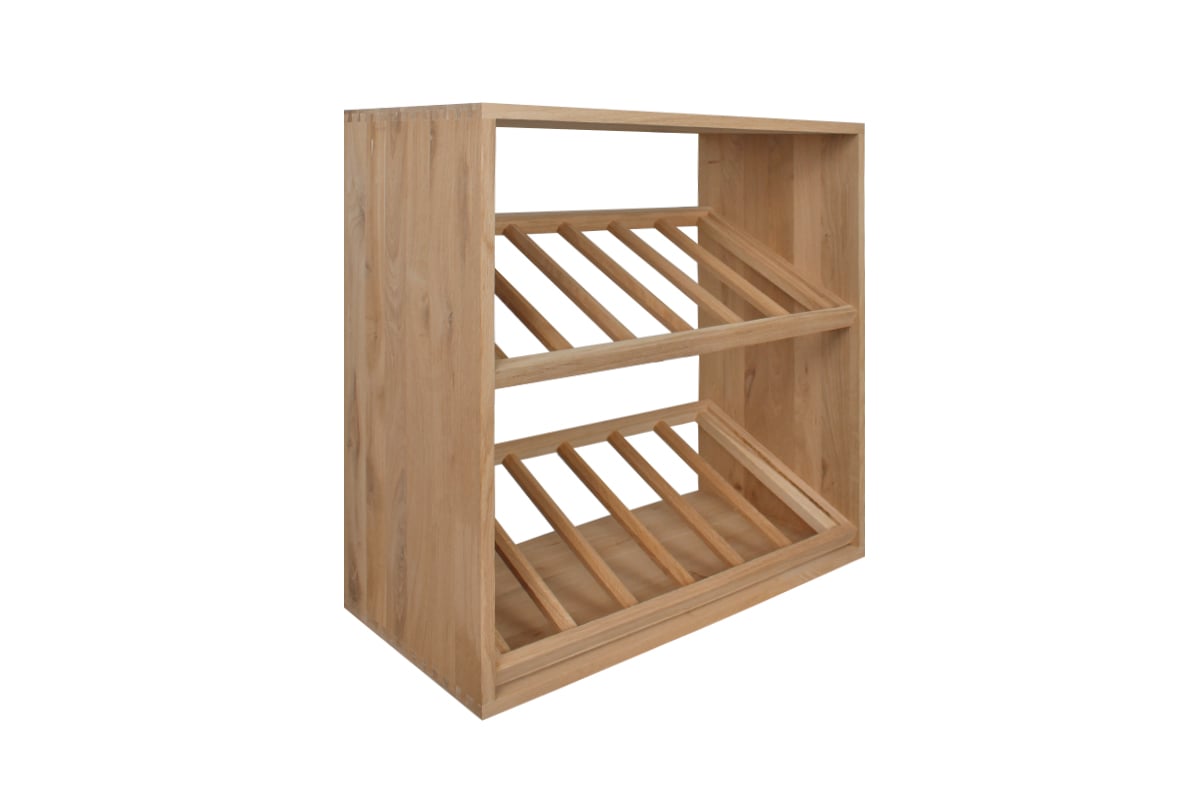
Modularity represents a significant advancement in wood farniture design, offering adaptability that fixed configurations cannot match. Individual components connect to create customised arrangements suited to specific spatial requirements and functional needs. Wine storage systems exemplify modular design benefits. Starting with basic modules, users expand capacity as collections grow. Corner units maximise space utilisation in challenging areas, whilst freestanding configurations offer portability and reconfiguration freedom. For those seeking elegant wine storage solutions, modular wine racks combine Scandinavian design principles with practical functionality, offering customisable systems crafted from premium FSC-certified materials.
Flexibility Across Interior Applications
Wood farniture modularity extends beyond residential applications into commercial environments. Restaurants require flexible seating arrangements for varying party sizes, whilst offices need reconfigurable storage as organisational structures evolve. Hotels benefit from standardised yet adaptable pieces that maintain aesthetic consistency across multiple rooms. Standardised connection systems ensure compatibility between components whilst maintaining structural stability. Concealed hardware preserves clean aesthetic lines, and tool-free assembly facilitates reconfiguration without specialist assistance.
Maintenance and Longevity of Wood Furniture
Proper maintenance extends wood farniture lifespan indefinitely. Unlike composite materials that degrade irreversibly, solid wood responds to care and repair, developing character whilst maintaining structural integrity. Regular dusting prevents abrasive particle accumulation that could scratch finishes. Slightly damp cloths remove stubborn residue without introducing excessive moisture. Immediate spill cleanup prevents staining and moisture penetration.
Seasonal Care Considerations
Wood responds to environmental humidity fluctuations by expanding and contracting. Central heating during winter months reduces indoor humidity, potentially causing minor shrinkage. Summer humidity increases may produce slight expansion. Quality construction accommodates these movements without structural compromise.
For the best long-term results:
Maintain indoor humidity between 40–60%.
Avoid prolonged exposure to direct sunlight.
Use protective pads under decorative objects.
Reapply natural oil or wax finishes when recommended.
Professionally refinish heavily used solid wood furniture every 10–15 years if required.
Customisation Options in Premium Wood Furniture
Made-to-order manufacturing enables precise customisation that mass production cannot achieve. Dimensional adjustments accommodate specific spatial constraints, finish selections harmonise with existing décor, and configuration choices address individual functional requirements.
Custom sizing proves particularly valuable in period properties with non-standard room dimensions or contemporary homes with unique architectural features. Tables extend to accommodate specific guest numbers, storage units fit beneath sloped ceilings, and display pieces maximise alcove potential.
Material and Finish Combinations
Wood species selection influences overall aesthetic impact. Oak provides substantial presence with pronounced grain patterns, whilst pine offers lighter visual weight suitable for smaller spaces. Surface treatments further modify appearance characteristics.
Smoked oak develops rich, dark tones through controlled ammonia fuming processes. This technique enhances grain contrast whilst maintaining wood’s natural characteristics. Burnt finishes create dramatic effects through controlled charring, adding texture and depth to surface appearance.
Finish Type | Appearance | Maintenance Level | Durability |
|---|---|---|---|
Natural Oil | Matte, warm | Moderate | Excellent |
Hard Wax | Satin, protective | Low | Exceptional |
Lacquer | Glossy, uniform | Very Low | Good |
Burnt/Charred | Textured, dramatic | Low | Excellent |
Wood Furniture in Commercial Environments
Commercial applications demand exceptional durability alongside aesthetic appeal. Restaurants, hotels, offices, and retail spaces subject furniture to intensive use patterns that quickly reveal construction inadequacies. Premium wood farniture withstands these challenges whilst maintaining professional appearance standards.
Restaurant dining tables endure constant use, frequent cleaning, and occasional impact. Solid wood construction absorbs minor damage without catastrophic failure, and refinishing restores original appearance when required. Hotel furnishings benefit from wood’s inherent antimicrobial properties and timeless aesthetic that avoids rapid style obsolescence.
Creating Cohesive Commercial Interiors
Commercial wood farniture contributes to brand identity through consistent design language. Custom manufacturing ensures pieces reflect specific aesthetic requirements whilst meeting practical performance criteria. Finish selections coordinate with broader interior schemes, and modular components facilitate future expansion or reconfiguration.
Office environments increasingly favour wood farniture for its warmth and acoustic properties. Unlike hard synthetic surfaces that reflect sound, wood absorbs and dampens noise, contributing to comfortable working conditions. Bookshelves, partitions, and storage units create functional workspace divisions whilst maintaining visual connectivity.
The Investment Value of Quality Wood Furniture
Premium wood farniture represents significant financial outlay compared to mass-produced alternatives. However, lifecycle cost analysis reveals superior long-term value. Quality pieces maintain functionality and appearance for decades, eliminating replacement costs associated with inferior products.
Appreciation potential exists for exceptional pieces, particularly those from recognised manufacturers or featuring distinctive design characteristics. The furniture industry’s evolution demonstrates how quality craftsmanship maintains value across changing market conditions.
Total Cost of Ownership Analysis
Initial purchase price represents only one component of furniture ownership costs. Transport, assembly, maintenance, and eventual replacement contribute to total expenditure. Wood farniture typically requires minimal assembly, accepts straightforward maintenance, and avoids replacement costs through indefinite service life.
When comparing quality wood furniture, consider:
Initial purchase price.
Delivery and installation costs.
Routine maintenance requirements.
Repair and refinishing costs.
Expected lifespan and replacement frequency.
Emerging Trends in Wood Furniture Design
Contemporary wood farniture design embraces technological integration whilst preserving traditional craftsmanship values. Innovative applications like WoodTouch demonstrate potential for touch-sensitive wooden surfaces, enabling interactive functionality without compromising aesthetic purity.
Minimalist aesthetics continue dominating design preferences, with consumers favouring pieces that provide maximum functionality through minimum visual complexity. Multi-functional furniture addresses space constraints in urban living environments, combining storage, display, and practical utility within single pieces.
Sustainability as a Design Driver
Environmental consciousness increasingly influences purchasing decisions. Consumers research material sourcing, manufacturing processes, and lifecycle environmental impact before committing to furniture purchases. Transparent communication about sustainability credentials becomes competitive advantage rather than optional marketing supplement.
European manufacturers emphasise local production and material sourcing to minimise transportation emissions. Made-to-order systems reduce waste by eliminating speculative inventory production. Customers appreciate knowing their wood farniture originates from responsibly managed forests and supports skilled craftspeople rather than exploitative labour practices.
Regional Variations in Wood Furniture Preferences
European markets demonstrate strong preference for Scandinavian-influenced designs characterised by clean lines, natural finishes, and functional simplicity. These aesthetic preferences align with broader cultural values emphasising sustainability, quality, and understated elegance.
British consumers particularly favour oak furniture, appreciating its traditional associations and exceptional durability. Contemporary interpretations update classic forms through refined proportions and modern finishing techniques, creating pieces that honour heritage whilst serving contemporary needs.
Adapting Global Influences
Cross-cultural design exchange enriches wood farniture aesthetics. Japanese minimalism influences European makers through emphasis on material honesty and precise joinery. American craftsman traditions contribute robust construction techniques and appreciation for expressive grain patterns.
Successfully integrating diverse influences requires understanding underlying principles rather than superficial copying. Scandinavian design’s functional focus, Japanese aesthetic restraint, and American structural integrity combine to create universally appealing wood farniture that transcends regional boundaries.
Selecting Wood Furniture for Specific Environments
Environmental conditions influence appropriate wood farniture selection. High-humidity locations such as coastal properties require species with superior moisture resistance and finishes that prevent water penetration. Centrally heated interiors with low humidity suit most timber types provided maintenance addresses seasonal variation.
Direct sunlight exposure fades wood finishes over time, creating uneven colouration on exposed surfaces. Window treatments or furniture positioning minimise this effect, preserving consistent appearance. Alternatively, embracing natural patina development adds character that tells ownership stories.
Functional Requirements Assessment
Before purchasing wood farniture, carefully evaluate intended use patterns. Dining tables for large families require robust construction and damage-resistant finishes. Display pieces in low-traffic areas can emphasise aesthetic refinement over extreme durability. Storage furniture needs appropriate internal configurations for intended contents.
Key selection criteria include:
Primary function and everyday use.
Expected level of wear.
Environmental conditions.
Available space and proportions.
Interior style and existing décor.
Budget and long-term value.
The Manufacturing Process Behind Quality Wood Furniture
Understanding manufacturing processes helps consumers appreciate value in premium wood farniture. Production begins with timber selection, where experienced craftspeople evaluate boards for grain consistency, structural soundness, and aesthetic potential.
Milling operations dimension rough timber to specified thicknesses whilst preserving maximum material yield. Computer-controlled equipment ensures precision whilst skilled operators make judgement calls about grain orientation and defect management.
Kiln drying reduces moisture content to appropriate levels for intended service environments. Controlled temperature and humidity cycles prevent checking and warping whilst achieving target moisture percentages. This critical process determines long-term dimensional stability.
Assembly and Finishing Operations
Traditional joinery techniques create structural connections superior to mechanical fasteners. Mortise-and-tenon joints, dovetails, and dowelled construction distribute stress loads effectively whilst permitting wood movement without failure.
Multiple sanding stages progress from coarse to fine grits, creating smooth surfaces that accept finishes uniformly. Hand-sanding final passes ensure thorough preparation impossible to achieve through mechanical means alone.
Finish application requires controlled environmental conditions and meticulous technique. Multiple thin coats build protective layers gradually, with intermediate sanding between applications ensuring optimal adhesion and smooth final surfaces.
Wood Furniture Care and Maintenance
Appropriate cleaning products maintain wood farniture appearance without damaging finishes or timber fibres. Harsh chemicals strip protective coatings and potentially discolour wood. Purpose-formulated wood cleaners provide effective cleaning whilst preserving finish integrity.
Oil-finished pieces benefit from periodic reapplication that replenishes protective layers and enhances natural lustre. Application involves spreading thin, even coats across surfaces and allowing absorption before buffing excess. This straightforward process extends finish life indefinitely.
Addressing Common Damage
Minor scratches respond to gentle buffing with fine abrasive pads followed by finish touch-up. Deeper damage may require professional attention, though wood’s reparability means even significant issues needn’t result in replacement.
Water rings from beverage glasses typically affect only surface finish rather than wood itself. Various remedies exist depending on finish type, from gentle heat application to specialised restoration products. Prevention through coaster use proves simpler than remediation.
Quality wood farniture combines sustainable materials, expert craftsmanship, and timeless design to create pieces that enhance living and working environments for generations. Understanding material characteristics, construction quality, and maintenance requirements empowers informed purchasing decisions that deliver lasting value. Museliving specialises in premium handcrafted solid wood furniture inspired by Scandinavian design principles, offering customisable solutions crafted from FSC-certified materials and delivered across Europe. Explore our range of dining tables, bookshelves, wine racks, and modular systems to discover furniture that combines sustainability, functionality, and enduring elegance.