


A well-designed wine rack for kitchen spaces transforms everyday cooking and entertaining. Beyond simple storage, the right wine rack combines functionality with aesthetic appeal, making bottles accessible whilst enhancing your interior design. Whether you’re organising a modest collection of everyday wines or building a curated selection for special occasions, choosing the appropriate rack requires careful consideration of materials, capacity, placement, and environmental factors that affect wine preservation.
Understanding Wine Storage Requirements in Kitchen Environments
Kitchens present unique challenges for wine storage. Temperature fluctuations from cooking appliances, varying humidity levels, and exposure to light all impact how well your bottles age and maintain their quality.
Research from the University of California Davis highlights the importance of cool storage conditions, particularly for maintaining wine quality over time. Whilst kitchens rarely offer the controlled environment of a dedicated cellar, strategic placement and thoughtful rack selection can mitigate many environmental concerns.
Temperature and Humidity Considerations
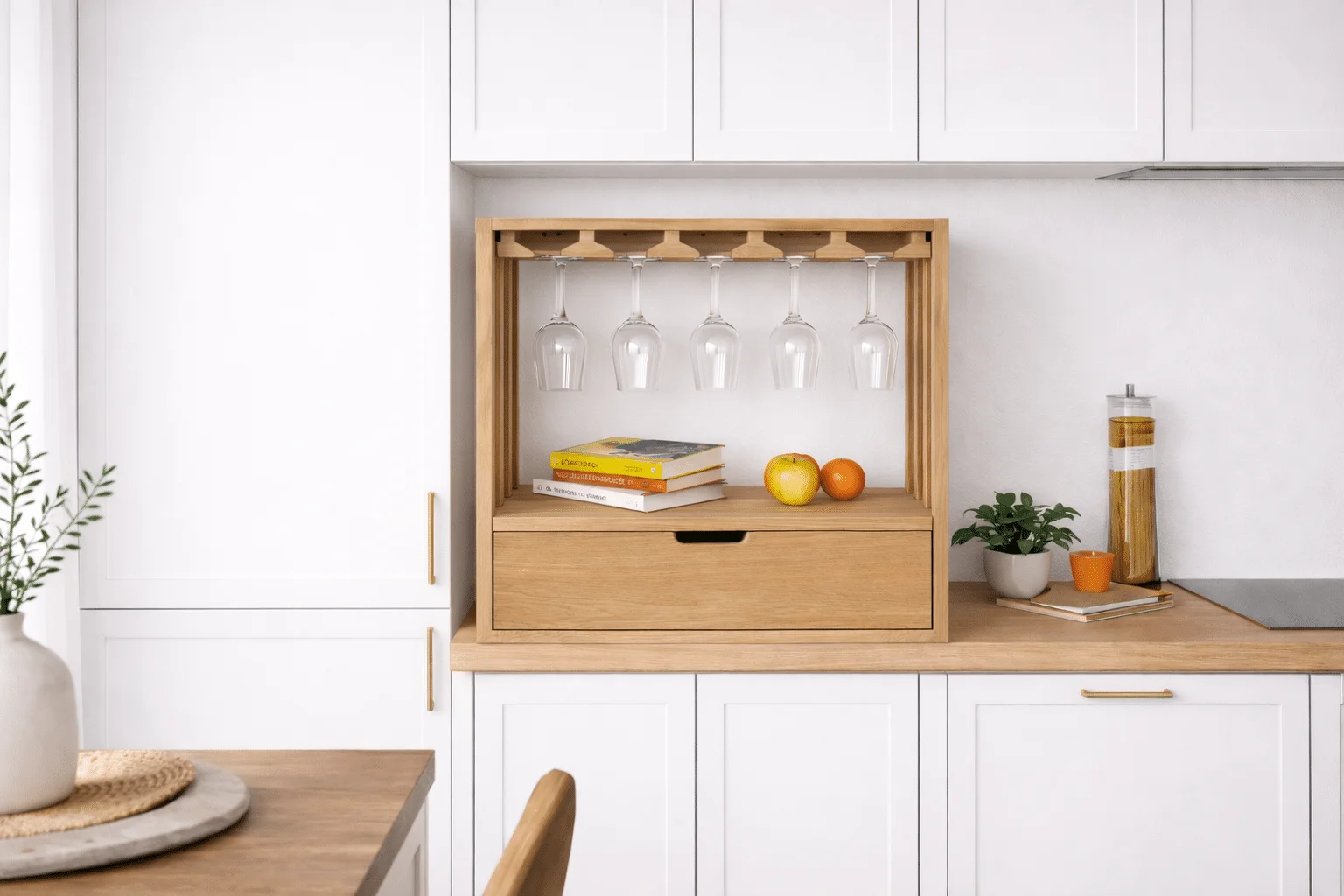
The ideal storage temperature for wine ranges between 10°C and 15°C, though kitchen wines intended for near-term consumption tolerate slightly warmer conditions. What matters most is consistency – avoid placing your wine rack for kitchen use near ovens, hobs, or dishwashers where temperature swings occur frequently.
According to peer-reviewed research on bottle aging and storage factors, humidity plays a crucial role in preserving cork integrity. Kitchens with good ventilation typically maintain adequate humidity, but avoid positioning racks directly above heat sources or in excessively dry corners near radiators.
Key environmental factors to monitor:
Temperature stability: Aim for minimal daily fluctuation
Humidity levels: Between 50% and 80% prevents cork drying
Light exposure: UV rays degrade wine compounds over time
Vibration: Keep away from appliances with motors or compressors
Air circulation: Adequate ventilation prevents mustiness
Material Selection for Kitchen Wine Racks
The material you choose for your wine rack influences both longevity and aesthetics. Each option offers distinct advantages depending on your kitchen style, budget, and sustainability priorities.
Solid Wood: Timeless Elegance and Durability
Solid wood remains the premium choice for discerning homeowners who value craftsmanship and natural beauty. Oak, pine, and walnut each bring unique grain patterns and tonal variations that develop character over time.
FSC-certified wood ensures your purchase supports responsible forestry practices. Oak offers exceptional strength and moisture resistance, making it particularly well-suited to kitchen environments where humidity varies. Pine provides a lighter aesthetic whilst burnt pine finishes add depth and visual interest through the traditional yakisugi technique.
Wood Type | Characteristics | Best For |
|---|---|---|
Oak | Dense, durable, moisture-resistant | High-capacity racks, long-term investment |
Smoked Oak | Rich tones, contemporary finish | Modern Scandinavian interiors |
Pine | Light grain, affordable, versatile | Budget-conscious designs, country kitchens |
Burnt Pine | Dramatic black finish, naturally protected | Statement pieces, minimalist spaces |
Solid wood wine racks develop a patina that enhances their appearance over decades. Unlike manufactured materials that deteriorate, quality hardwood improves with age when properly maintained.
Capacity Planning and Spatial Requirements
Determining the right size wine rack for kitchen installation requires honest assessment of your collection and consumption patterns. Overestimating capacity wastes valuable space, whilst insufficient storage leads to cluttered worktops and poor bottle organization.
Calculating Your Needs
Start by counting your current collection, then add 30-50% for future growth. Most households with regular wine consumption maintain between 12 and 30 bottles at any given time – a manageable range for kitchen storage.
Consider these factors when planning capacity:
Daily consumption wines: Bottles you’ll open within weeks
Entertaining reserves: Selections for guests and special meals
Seasonal rotation: Summer whites versus winter reds
Gift purchases: Space for occasional bulk buys or discoveries
For those exploring wine storage solutions that maximize space, modular systems offer flexibility. Start with a smaller unit and expand as your collection grows, maintaining cohesive aesthetics whilst adapting to changing needs.
Spatial Footprint and Clearance
Measure your available space carefully before purchasing. Wine racks require clearance on all sides for bottle removal and cleaning access.
Freestanding units need 10-15cm breathing room from walls to prevent moisture accumulation and allow air circulation. Wall-mounted designs save floor space but require solid fixing into studs or masonry – plasterboard alone won’t support loaded bottles safely.
The technical guide to wine-room construction recommends minimum clearances even for smaller residential installations, ensuring proper bottle accessibility and preventing accidental damage during retrieval.
Design Styles and Configuration Options
The aesthetic of your wine rack for kitchen spaces should complement your existing cabinetry, worktops, and overall design philosophy. Cohesive interiors feel intentional rather than cobbled together from disparate elements.
Scandinavian Minimalism
Clean lines, natural materials, and functional simplicity define Scandinavian design principles. Wine racks in this style feature honest joinery, minimal ornamentation, and emphasis on the wood’s inherent beauty.
Characteristics include:
Unadorned solid wood construction
Geometric forms and modular configurations
Light or mid-tone finishes that brighten spaces
Visible joinery as design feature rather than flaw
Multi-functional designs that serve additional purposes
This approach suits modern kitchens where clutter is minimized and every element serves a clear purpose. The handcrafted wine racks exemplify these principles, combining traditional craftsmanship with contemporary aesthetics that age gracefully.
Traditional and Rustic Approaches
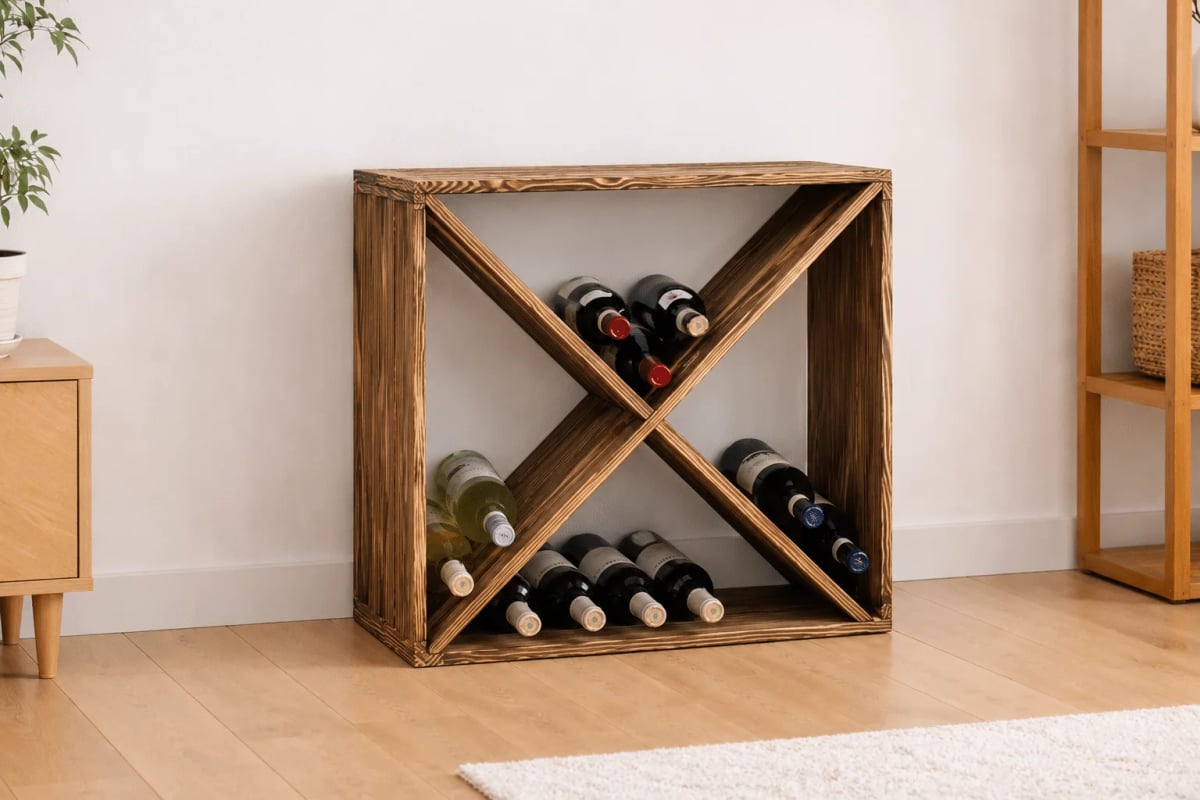
Classic wine racks feature turned details, decorative brackets, and ornate hardware that echo country house elegance. These designs suit traditional kitchens with Shaker cabinets, farmhouse sinks, and warm colour palettes.
Reclaimed wood options add history and character. The This Old House guide to building reclaimed wine racks demonstrates how salvaged timber creates one-of-a-kind storage with sustainability credentials and unique patina.
Installation Methods and Placement Strategies
Where you position your wine rack affects both convenience and preservation. Strategic placement makes bottle selection effortless whilst protecting your investment from environmental damage.
Optimal Kitchen Locations
Avoid these high-risk zones:
Directly above or beside cooking surfaces
Near windows with direct sunlight exposure
Against external walls in uninsulated buildings
Above refrigerators where heat exhausts upward
Prefer these protected positions:
Interior walls away from heat sources
Under-counter spaces with stable temperatures
Pantry alcoves with consistent conditions
Dedicated kitchen niches designed for wine storage
Corner locations often provide the most stable environment whilst utilizing otherwise awkward spaces. Purpose-built corner wine racks maximize bottle capacity in L-shaped kitchen layouts without impeding workflow.
Installation Best Practices
Freestanding wine racks require level surfaces to prevent tipping and ensure bottles rest at the proper angle. Use adjustable feet or shims to compensate for uneven floors, checking with a spirit level before loading bottles.
Professional installation considerations:
Verify wall structure and load-bearing capacity
Use corrosion-resistant fixings in humid kitchen environments
Maintain horizontal bottle orientation for cork contact
Leave adequate clearance for bottle neck removal
Consider earthquake or movement protection in seismic zones
Modular Systems and Expandable Solutions
Flexibility defines modern wine storage. Rather than committing to fixed capacity, modular wine racks adapt as your collection evolves and space requirements change.
Benefits of Modular Design
Modularity empowers customization without professional carpentry. Individual units stack, combine, or reconfigure to accommodate different bottle types, from standard Bordeaux to larger Champagne formats.
Financial benefits include spreading investment over time rather than purchasing excessive capacity upfront. Start with essential storage and add units as budget and collection permit, maintaining design consistency throughout.
Configuration Type | Bottle Capacity | Spatial Requirements | Best Use Case |
|---|---|---|---|
Single Column | 6-12 bottles | 15cm × 30cm floor space | Compact kitchens, starter collections |
Double Stack | 24-36 bottles | 30cm × 45cm floor space | Medium collections, entertaining needs |
Corner Assembly | 40-60 bottles | 60cm × 60cm corner footprint | Maximizing awkward spaces |
Wall Grid | Varies | Vertical wall mounting | Space-saving in galley kitchens |
The products available at Museliving demonstrate how thoughtfully designed modular systems maintain aesthetic coherence whilst offering practical flexibility for growing wine enthusiasts.
Combining with Other Kitchen Storage
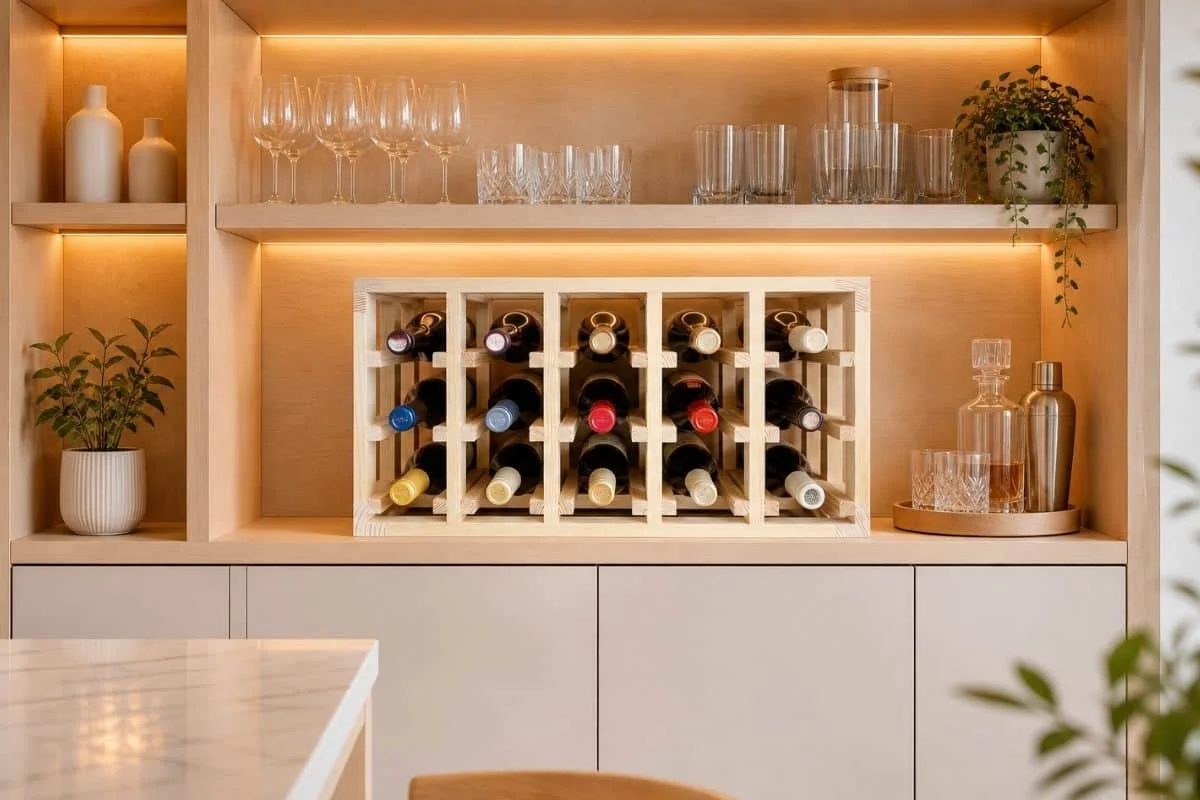
Integrated wine storage within broader kitchen cabinetry creates seamless visual flow. Custom solutions incorporate wine racks alongside crockery, cookware, and pantry provisions, treating wine as a natural kitchen staple rather than separate luxury.
Open shelving trends favor displaying wine bottles as decorative elements. Backlit racks or glass-fronted cabinets showcase labels and create ambient atmosphere during evening entertaining.
Maintenance and Longevity Considerations
Proper care extends the life of both your wine rack and the bottles it holds. Regular maintenance prevents deterioration whilst keeping your storage solution looking pristine.
Cleaning and Wood Care
Solid wood requires minimal intervention when properly finished. Dust regularly with soft cloths, avoiding harsh chemicals that strip protective oils or damage grain.
Annual treatment with appropriate wood oil refreshes surfaces and enhances moisture resistance. Test products on inconspicuous areas first, as different finishes (raw, oiled, lacquered) require specific care approaches.
Address spills immediately – wine contains acids and tannins that stain wood if left to penetrate. Blot rather than wipe to prevent spreading, then clean with barely damp cloths followed by thorough drying.
Monitoring Bottle Condition
The Wine & Spirit Education Trust guidance on preserving opened wine emphasizes proper storage orientation even for short-term consumption. Horizontal positioning keeps corks moist, preventing oxygen ingress that spoils wine within days.
Inspect bottles periodically for:
Ullage levels: Decreasing volume suggests evaporation or leakage
Cork condition: Dried or protruding corks indicate storage problems
Sediment: Natural in aged wines but monitor for excessive deposit
Label condition: Deterioration may signal humidity issues
Rotate stock using first-in-first-out principles. Place newer purchases at the back, moving older bottles forward for consumption priority. This prevents forgotten bottles from degrading past optimal drinking windows.
Sustainability and Ethical Manufacturing
Environmental consciousness influences purchasing decisions across all home furnishings. Wine racks present opportunities to support sustainable forestry and responsible production practices.
FSC Certification and Responsible Sourcing
Forest Stewardship Council certification guarantees wood originates from responsibly managed forests where biodiversity, indigenous rights, and long-term ecological health receive priority. This certification provides transparency throughout supply chains, from forest to finished product.
Choosing FSC-certified wine racks supports:
Habitat preservation for wildlife species
Fair treatment of forestry workers
Carbon sequestration through sustainable forest management
Economic viability for rural forestry communities
Regenerative practices that ensure future timber availability
Beyond certification, consider manufacturing location and transport distances. European-made furniture for European customers reduces carbon emissions associated with transcontinental shipping whilst supporting regional craftspeople and traditional skills.
Made-to-Order Benefits
Custom manufacturing eliminates waste inherent in mass production. Rather than producing inventory that may never sell, made-to-order approaches create each piece specifically for its purchaser, ensuring materials serve actual demand rather than speculative forecasts.
This model allows customers to specify exact dimensions, finishes, and configurations without excess production. Offcuts and waste timber can be repurposed for smaller items or biomass fuel rather than landfilled.
Quality craftsmanship enhances sustainability through longevity. A well-made wine rack for kitchen use lasts decades, potentially centuries, whereas cheaply manufactured alternatives require replacement within years, generating ongoing waste and resource consumption.
Professional Integration in Commercial Settings
Wine storage extends beyond residential kitchens into restaurants, hotels, and hospitality venues where presentation and capacity intersect with operational efficiency.
Restaurant and Bar Applications
Commercial wine programs require accessible storage that facilitates quick service whilst showcasing selection to diners. Display becomes part of the dining experience, with visible wine walls creating atmosphere and communicating wine program depth.
Capacity planning for commercial settings follows different parameters:
Calculate turnover rates rather than static capacity
Prioritize by-the-glass selections for prime accessibility
Organize by varietal, region, or price point for server efficiency
Implement inventory systems to track stock movement
Maintain appropriate reserves for popular selections
The International Organisation of Vine and Wine standards provide professional guidance on storage conditions even for short-term commercial holding, recognizing that quality maintenance directly impacts customer satisfaction and repeat business.
Hotel and Hospitality Considerations
Hotel wine storage serves dual purposes: in-room minibars or suites, and restaurant or bar inventory. Design requirements differ significantly between contexts, with guest-facing installations emphasizing aesthetics whilst back-of-house solutions prioritize density and workflow.
Luxury hotel suites increasingly feature dedicated wine storage as amenity, ranging from compact countertop units to walk-in temperature-controlled rooms. These installations signal attention to detail and cater to sophisticated guests who appreciate proper wine service.
Integrating Wine Storage with Kitchen Workflow
Functional kitchen design considers how wine storage interacts with cooking, serving, and entertaining activities. Thoughtful placement enhances efficiency whilst maintaining the enjoyable ritual of wine service.
Accessibility During Meal Preparation
Position your wine rack for kitchen convenience within easy reach of both cooking and dining areas. Cooking with wine requires quick access without crossing busy work triangles or interrupting other tasks.
Consider these workflow principles:
Place near refrigeration if storing whites that need chilling
Position within arm’s reach of primary prep areas for cooking wine
Ensure clear pathway between rack and glassware storage
Avoid locations requiring bending or stretching with hot cookware
Maintain sight lines so you can browse bottles whilst cooking
Ergonomic placement reduces physical strain and makes wine selection a pleasure rather than an interruption. For frequent entertainers, proximity to serving areas allows seamless bottle selection as guests arrive.
Entertaining and Display
Wine enthusiasts often enjoy sharing their collections with guests. Open rack designs or glass-fronted cabinets transform storage into display, inviting conversation and facilitating selection during dinner parties.
Label-forward storage orients bottles so labels face outward, enabling quick identification without handling. This approach suits collectors with diverse selections organized by region, grape variety, or drinking occasion.
Selecting the right wine rack for kitchen installation balances preservation requirements with design aesthetics, spatial constraints, and personal collecting habits. From material selection through placement strategy, each decision affects both the functionality of your storage and the longevity of your wine collection. For those seeking premium handcrafted solutions that combine Scandinavian design principles with sustainable manufacturing, Museliving offers modular wine racks made to order from FSC-certified solid wood, delivering across Europe with exceptional attention to detail and craftsmanship that lasts generations.