


The wholesale furniture sector has witnessed remarkable growth in wine storage solutions, with retailers and commercial buyers increasingly seeking reliable suppliers who can deliver quality, consistency, and competitive pricing. Understanding how to navigate wholesale orders for wine racks requires knowledge of materials, manufacturing processes, logistics, and market demands. Whether you’re a boutique retailer, interior designer, or commercial property developer, securing the right wholesale partnership can transform your business offerings and profit margins.
Understanding the Wholesale Wine Rack Market
The European furniture wholesale market has evolved significantly over recent years, with wine racks becoming a staple category for both residential and commercial projects. Wholesale orders for wine racks typically involve minimum order quantities, extended lead times, and specific quality standards that differ markedly from retail purchases.
Market Drivers and Demand Patterns
Several factors have contributed to sustained demand in this sector:
Growing wine consumption across European households
Expansion of boutique hotels and restaurants featuring wine programmes
Interior design trends favouring integrated storage solutions
Increased focus on sustainable, handcrafted furniture
Commercial buyers represent a substantial portion of wholesale demand, particularly hospitality businesses requiring bespoke wine storage for cellars, tasting rooms, and dining areas. Residential developers also source wine racks in bulk for luxury apartment complexes and show homes.
Seasonal patterns influence ordering cycles, with peak demand typically occurring in spring and autumn as retailers prepare for key selling periods. Understanding these rhythms helps wholesalers manage cash flow and inventory planning effectively.
Evaluating Wholesale Suppliers and Manufacturers
Selecting the right supplier forms the foundation of successful wholesale operations. Not all manufacturers offer the same level of quality, service, or flexibility when handling bulk orders.
Key Selection Criteria
Factor | What to Assess | Why It Matters |
|---|---|---|
Manufacturing Capacity | Minimum order quantities, lead times, scalability | Ensures supplier can meet your volume requirements |
Material Sourcing | FSC certification, wood species, sustainability practices | Affects product quality and environmental credentials |
Customisation Options | Size variations, finishes, modular configurations | Enables differentiation and bespoke client solutions |
Quality Control | Inspection processes, defect rates, warranty terms | Protects brand reputation and reduces returns |
When processing wholesale orders for wine racks, verify that manufacturers maintain consistent quality standards across production runs. Request samples from different batches to assess consistency in finishing, joinery, and materials.
Certification and Compliance
European furniture suppliers must meet various regulatory requirements. The American Home Furnishings Alliance provides valuable resources on compliance standards, even for non-US manufacturers, as these often represent industry best practices.
Look for suppliers who can provide:
FSC or PEFC chain-of-custody certification for wood
Documentation of sustainable harvesting practices
Material safety data sheets
Fire safety certifications where applicable
Pricing Structures and Negotiation Strategies
Understanding wholesale pricing requires more than simply comparing unit costs. The total landed cost encompasses numerous variables that impact profitability.
Components of Wholesale Pricing
Wholesale orders for wine racks involve multiple cost layers:
Base manufacturing cost – materials, labour, overhead
Volume discounts – typically 10-25% reduction at higher quantities
Customisation surcharges – bespoke sizes, special finishes, unique configurations
Packaging and protection – essential for preventing transit damage
Shipping and logistics – variable by distance, method, and urgency
Negotiate payment terms that balance cash flow needs with supplier requirements. Many European manufacturers offer net-30 or net-60 terms for established accounts, whilst newer relationships may require deposits or prepayment.
Logistics and Shipping Considerations
Efficient logistics separate successful wholesale operations from problematic ones. Wine racks present unique challenges due to their size, weight, and susceptibility to damage during transit.
Packaging Standards and Protection
Solid wood wine racks require robust packaging to survive international shipping. The ISTA test procedures offer standardised testing protocols that help validate packaging performance before committing to large shipments.
Effective packaging solutions include:
Corner protectors and edge reinforcement
Moisture barriers to prevent humidity damage
Secure strapping to prevent movement within containers
Clear handling instructions and orientation labels
Discuss packaging specifications during initial supplier negotiations. Some manufacturers include comprehensive packaging in their base price, whilst others charge separately for enhanced protection.
Quality Control and Product Specifications
Maintaining consistent quality across wholesale orders requires clear specifications and rigorous inspection protocols.
Establishing Quality Standards
Define precise specifications for every aspect of the product:
Dimensional tolerances – acceptable variation in measurements
Finish quality – surface smoothness, colour consistency, coating evenness
Joinery standards – joint strength, alignment, stability
Capacity ratings – bottle capacity, weight limits, shelf strength
Document these requirements in a technical specification sheet that accompanies purchase orders. This creates accountability and provides objective criteria for acceptance or rejection.
Modular and Customisable Solutions
The trend towards modular wine storage systems has transformed wholesale opportunities, allowing retailers to offer flexible solutions that adapt to diverse spaces.
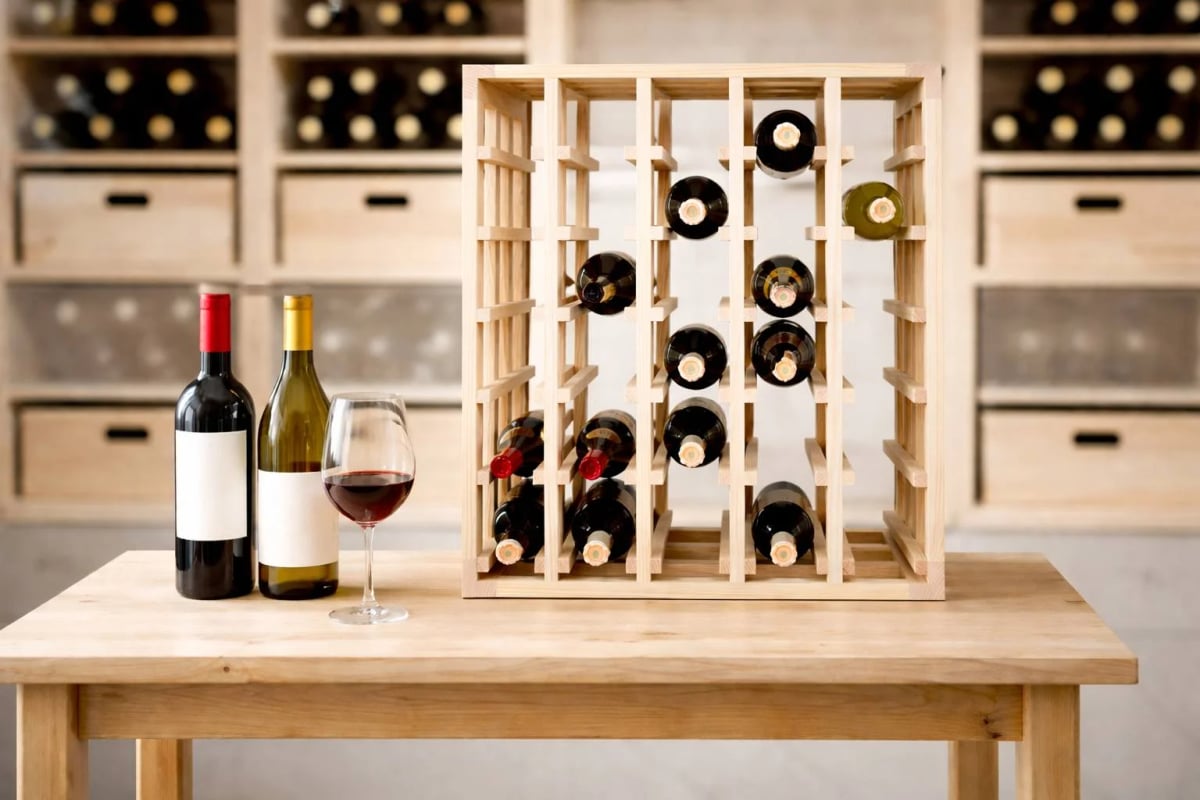
Museliving’s approach to wine racks exemplifies this modular philosophy, with handcrafted designs that can be configured for everything from compact residential installations to expansive commercial wine cellars. The modular nature of premium wine storage enables wholesalers to maintain manageable inventory whilst offering extensive configuration possibilities.
Benefits of Modular Wholesale Inventory
Reduced SKU complexity – fewer base units create more combinations
Simplified warehousing – standardised components occupy less space
Enhanced customisation – clients create bespoke arrangements from stock items
Lower minimum orders – modular components require smaller production runs
When negotiating wholesale orders for wine racks, discuss component availability and lead times for individual modules versus complete assemblies.
Commercial Applications and Market Segments
Understanding end-use applications helps wholesalers target appropriate buyers and tailor their product offerings accordingly.
Hospitality Sector Requirements
Restaurants, hotels, and wine bars represent substantial wholesale opportunities. Their requirements typically include:
Large capacity systems – often 200+ bottle storage
Aesthetic integration – designs complementing existing interiors
Durability – commercial-grade construction for frequent access
Professional presentation – display elements that showcase collections
These buyers often work with interior designers or architects who specify furniture packages. Building relationships with design professionals can generate recurring wholesale business.
Retail and Wine Merchant Applications
Wine shops and specialist merchants require storage that balances functionality with merchandising appeal. They often prefer freestanding units that can be reconfigured as inventory changes.
Residential Developer Projects
Property developers furnishing show homes or luxury apartments often place substantial orders for coordinated furniture packages. Wine racks complement kitchen and dining room installations, adding lifestyle appeal to marketing presentations.
Managing Lead Times and Production Schedules
Custom-manufactured furniture requires longer lead times than mass-produced items. Effective planning prevents delays and maintains customer satisfaction.
Typical Production Timelines
Stage | Duration | Variables |
|---|---|---|
Order confirmation | 1-3 days | Payment processing, specification approval |
Material sourcing | 7-14 days | Wood species availability, finish materials |
Manufacturing | 14-28 days | Order complexity, production capacity |
Finishing and curing | 5-10 days | Coating type, drying requirements |
Quality control | 2-5 days | Inspection depth, rectification needs |
Packing and dispatch | 3-7 days | Packaging complexity, shipping method |
Total lead time for wholesale orders for wine racks typically ranges from 6 to 10 weeks for custom specifications. Standard configurations may ship within 4 weeks.
Communicate these timelines clearly to your customers, building in contingency for unforeseen delays. For critical projects, discuss expedited production options and associated costs.
Documentation and Regulatory Requirements
Proper documentation facilitates smooth customs clearance, accurate taxation, and legal compliance when trading internationally.
Essential Documentation
Complete wholesale transactions require multiple documents:
Commercial invoice with detailed item descriptions
Packing list showing contents and weights
Certificate of origin (for preferential duty rates)
FSC or sustainability certifications
Transport documentation (bill of lading, airway bill, or CMR)
The Harmonized Tariff Schedule helps classify furniture products accurately for customs purposes, ensuring correct duty calculations and compliance with import regulations.
Building Long-Term Wholesale Partnerships
Successful wholesale relationships extend beyond transactional exchanges to strategic partnerships that benefit both parties.
Communication Best Practices
Maintain regular contact through:
Monthly production capacity updates
New product development previews
Market trend discussions
Collaborative problem-solving sessions
Transparency about challenges and constraints builds trust and enables proactive solutions when issues arise.
Supporting Your Wholesale Customers
Provide value beyond the products themselves:
Marketing support – product photography, technical specifications, lifestyle imagery
Training resources – installation guides, sales training materials
Flexible terms – accommodating seasonal demand fluctuations
After-sales service – warranty support, replacement components
Explore the full range of Museliving products to understand how comprehensive product lines support wholesale customers seeking coordinated furniture solutions.
Sustainability and Ethical Manufacturing
Modern buyers increasingly prioritise sustainable sourcing and ethical manufacturing practices when selecting wholesale suppliers.
Environmental Credentials
Demonstrate commitment to sustainability through:
FSC-certified wood from responsibly managed forests
Low-VOC finishes and natural oil treatments
Waste reduction in manufacturing processes
Energy-efficient production facilities
Recyclable or biodegradable packaging materials
Document these practices in supplier profiles and marketing materials. Many commercial buyers require sustainability reporting as part of their procurement processes.
Social Responsibility
Ethical manufacturing encompasses fair labour practices, safe working conditions, and community investment. European manufacturers generally maintain high standards in these areas, providing competitive advantages in conscious consumer markets.
Technology and Digital Integration
Modern wholesale operations increasingly leverage technology to streamline processes and enhance customer experience.
Digital Catalogues and Configuration Tools
Provide wholesale customers with:
Interactive online catalogues with filtering capabilities
3D visualisation tools for custom configurations
Automated quotation systems
Real-time inventory visibility
Order tracking and shipping updates
These tools reduce administrative overhead whilst improving accuracy and customer satisfaction.
Business Planning Resources
The SBA business guides offer practical frameworks for establishing wholesale operations, from business planning to licensing requirements, applicable across various jurisdictions.
Financial Planning and Risk Management
Wholesale furniture operations involve significant capital commitments and financial risks that require careful management.
Cash Flow Considerations
Wholesale orders for wine racks typically involve:
Deposit payments (25-50%) upon order confirmation
Extended payment terms from suppliers
Inventory carrying costs
Seasonal demand variations
Maintain adequate working capital to cover the gap between paying suppliers and receiving customer payments. Consider invoice financing or trade credit insurance for large transactions.
Minimum Order Management
Balancing supplier minimums with customer demand requires strategic inventory planning. Consider cooperative buying arrangements with complementary businesses to achieve volume thresholds whilst sharing risk.
Successfully managing wholesale orders for wine racks demands attention to quality, logistics, partnerships, and market understanding. From selecting sustainable suppliers to negotiating favourable terms and ensuring product consistency, each element contributes to profitable wholesale operations. Museliving combines Scandinavian design excellence with sustainable craftsmanship to deliver premium wine storage solutions that meet the exacting standards of wholesale buyers across Europe. Our made-to-order approach ensures every piece maintains the exceptional quality and customisation options that distinguish successful wholesale partnerships.