



Wine storage has evolved far beyond simple wooden crates and dusty cellars. Modern wine enthusiasts face the challenge of preserving their collections whilst making efficient use of limited space, particularly in urban homes, compact kitchens, and commercial establishments. A vertical wine rack offers an elegant solution that combines functionality with aesthetic appeal, transforming underutilised wall space into sophisticated storage that showcases bottles whilst protecting their contents. Whether you’re designing a wine cellar, upgrading a restaurant interior, or simply seeking smarter storage for your growing collection, understanding the principles behind effective vertical wine storage will help you make informed decisions that enhance both the longevity of your wines and the beauty of your space.
Understanding Vertical Wine Rack Design Principles
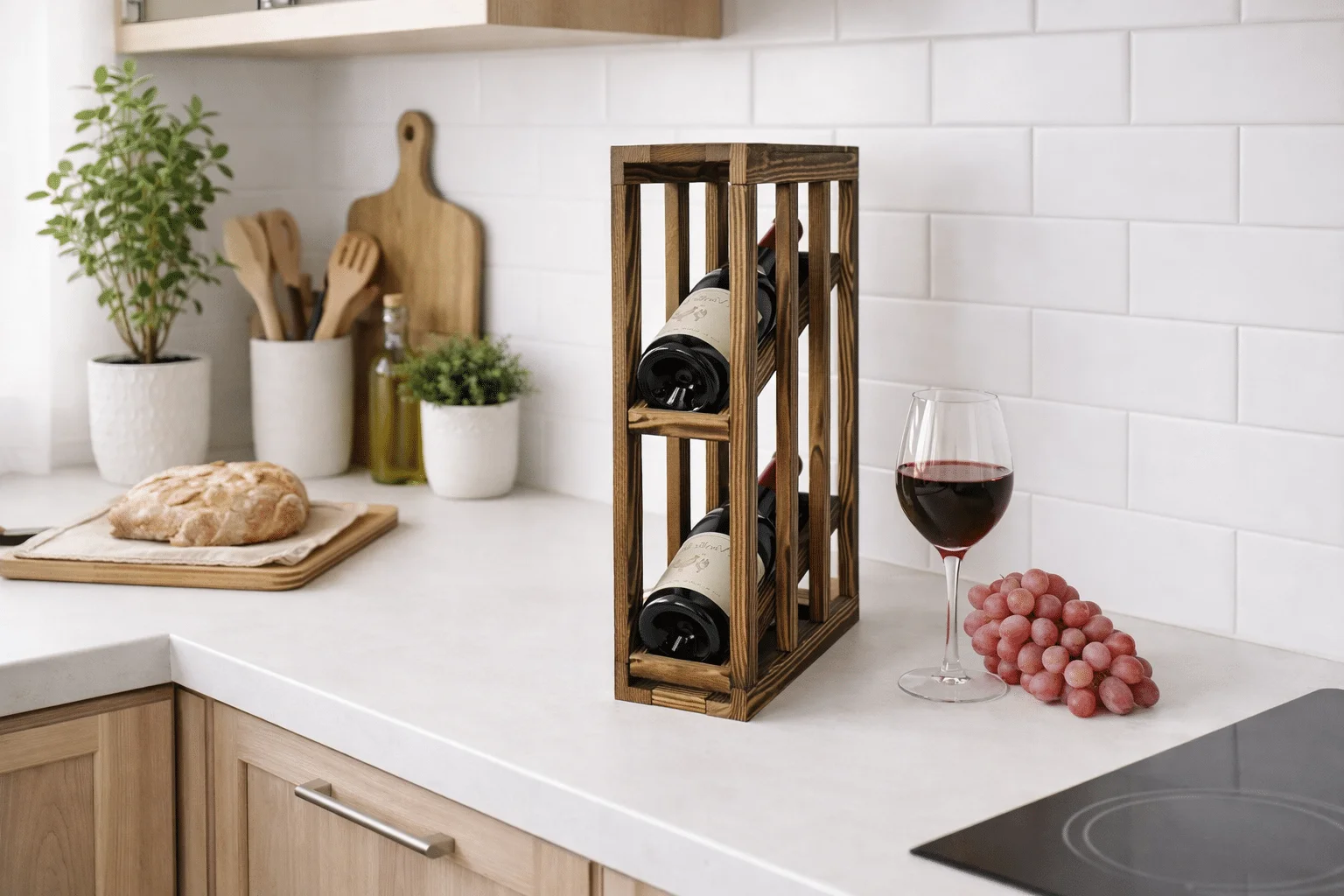
The fundamental concept behind a vertical wine rack centres on maximising vertical space rather than sprawling horizontally across valuable floor area. This approach proves particularly beneficial in contemporary interiors where square footage commands premium value. Unlike traditional horizontal racks, vertical designs draw the eye upward, creating visual interest whilst efficiently storing multiple bottles in a compact footprint.
The structural integrity of any vertical wine storage system depends heavily on material selection and construction quality. Premium hardwoods such as oak, smoked oak, and pine offer exceptional durability alongside natural beauty that complements both traditional and modern interiors. These materials possess the necessary strength to support substantial weight when fully loaded with bottles, whilst their inherent aesthetic qualities ensure the rack becomes a design feature rather than purely functional storage.
Key design considerations include:
Load-bearing capacity and weight distribution
Accessibility for bottle selection and retrieval
Visual balance within the overall room design
Integration with existing architectural features
Scalability for expanding collections
Proper spacing between bottle slots prevents damage whilst allowing adequate airflow around each bottle. Most quality designs incorporate individual compartments that cradle bottles securely, preventing movement that could disturb sediment or cause breakage. The floor-to-ceiling wine racks approach demonstrates how vertical storage can transform underutilised spaces into functional wine displays.
Material Selection for Durability and Style
The choice of material fundamentally affects both the longevity and appearance of your vertical wine rack. FSC-certified hardwoods represent the gold standard for sustainable wine storage, combining environmental responsibility with superior performance characteristics. Oak stands out as particularly suitable due to its exceptional strength-to-weight ratio, resistance to warping, and timeless aesthetic appeal.
Smoked oak introduces a contemporary edge to traditional wine storage, offering rich, dark tones that create dramatic visual impact in modern interiors. The smoking process enhances the wood’s natural durability whilst adding depth and character that develops beautifully over time. Pine presents a lighter alternative with excellent structural properties, whilst burnt pine delivers rustic charm through its distinctive surface treatment.
Material | Durability | Aesthetic | Sustainability | Maintenance |
|---|---|---|---|---|
Oak | Excellent | Classic elegance | FSC-certified | Low |
Smoked Oak | Excellent | Modern sophistication | FSC-certified | Low |
Pine | Very good | Light Scandinavian | FSC-certified | Moderate |
Burnt Pine | Very good | Rustic character | FSC-certified | Low |
Environmental Considerations
Sustainability extends beyond material sourcing to encompass manufacturing processes and product longevity. Premium handcrafted furniture built from responsibly harvested timber represents a far more sustainable choice than mass-produced alternatives that may require replacement within a few years. The durability of solid wood ensures your vertical wine rack serves multiple generations, reducing environmental impact through extended product life.
Space Optimisation Strategies
Maximising storage capacity within limited square footage requires strategic planning and intelligent design. Column-style vertical wine racks excel at utilising narrow spaces between architectural features, transforming previously wasted areas into functional storage. These slender profiles fit comfortably beside doorways, in alcoves, or along corridors without impeding movement or creating visual clutter.
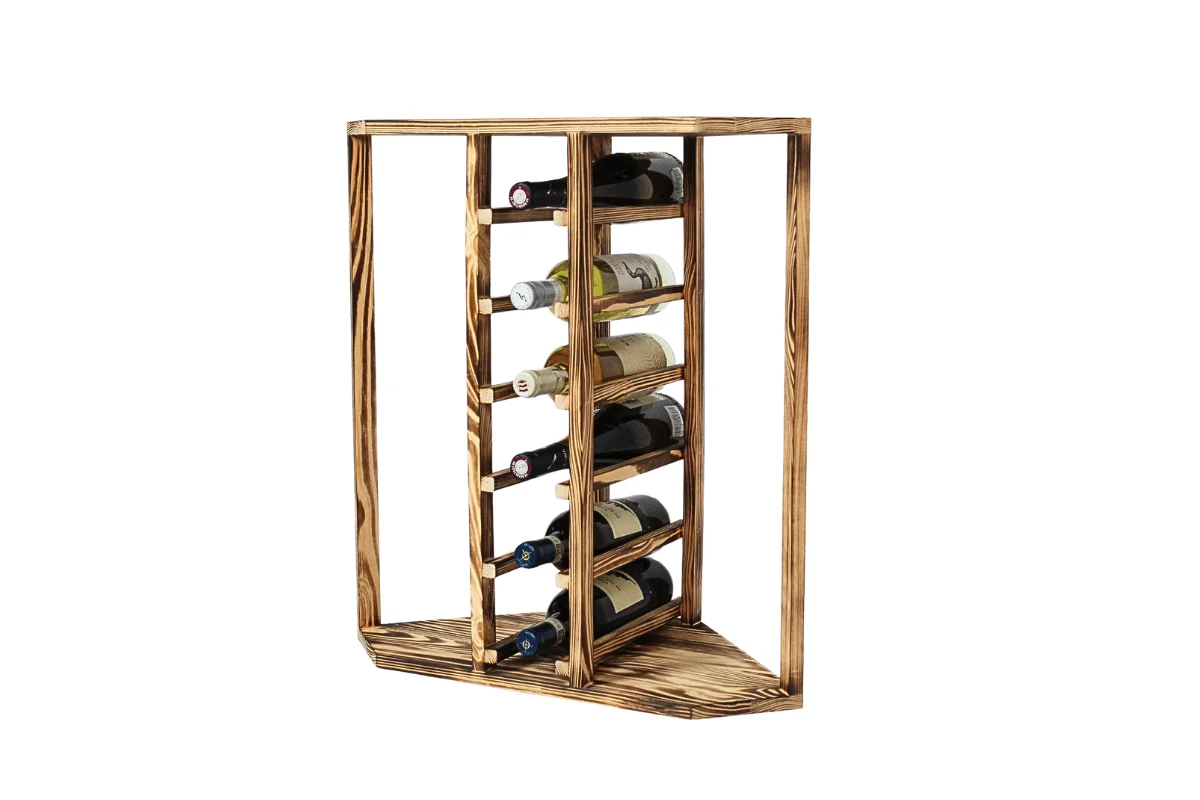
Corner configurations capitalise on often-neglected angular spaces, wrapping around walls to provide substantial storage without consuming central floor area. Modular systems offer exceptional flexibility, allowing you to begin with a modest installation and expand vertically or horizontally as your collection grows. This scalability proves invaluable for wine enthusiasts whose collections evolve over time.
Effective space utilisation techniques include:
Measuring vertical clearance accurately before selecting rack height
Identifying underutilised wall sections in kitchens, dining rooms, or cellars
Considering door swing paths and circulation zones
Planning for adequate lighting to showcase bottles effectively
Allowing maintenance access for cleaning and reorganisation
Proper Wine Storage Requirements
Protecting wine quality demands understanding the environmental and physical requirements that preserve flavour, aroma, and structure over time. Temperature stability ranks amongst the most critical factors, with ideal conditions ranging between 10°C and 15°C. Significant temperature fluctuations accelerate chemical reactions within the bottle, potentially degrading wine quality.
Humidity levels between 60% and 70% prevent cork deterioration whilst avoiding excessive moisture that encourages mould growth. A vertical wine rack constructed from natural wood contributes to humidity regulation through the material’s inherent breathability, helping maintain optimal conditions without mechanical intervention.
Light exposure, particularly ultraviolet radiation, damages wine compounds and accelerates ageing. Positioning your vertical storage away from direct sunlight and artificial lighting protects bottles whilst allowing decorative display. Tinted glass bottles offer some protection, but thoughtful placement provides additional safeguarding.
Bottle Orientation Matters
The debate surrounding vertical versus horizontal bottle storage centres primarily on cork preservation. Traditional wisdom advocates horizontal storage to keep corks moist, preventing drying and oxygen ingress. However, modern screw caps and synthetic closures eliminate this concern, making vertical orientation perfectly acceptable for wines sealed with alternative closures.
For cork-sealed bottles, the complete buying guide emphasises horizontal storage’s importance in maintaining cork integrity. Many contemporary vertical wine racks accommodate angled storage that achieves similar cork contact whilst maintaining the space-saving benefits of vertical orientation.
Customisation and Modular Solutions
Bespoke furniture allows precise adaptation to unique spatial constraints and aesthetic preferences. Custom-sized vertical wine racks accommodate non-standard ceiling heights, awkward alcoves, or specific bottle capacities that standard products cannot address. This personalisation ensures seamless integration with existing interiors whilst maximising storage efficiency.
Modular components provide remarkable versatility, enabling configurations that evolve alongside changing needs. Individual modules stack vertically to create impressive floor-to-ceiling installations, or arrange horizontally across broader wall sections. This adaptability proves invaluable for commercial establishments where collection size fluctuates seasonally or for residential clients whose wine enthusiasm grows over time.
Customisation options typically include:
Precise dimensional specifications for perfect architectural fit
Choice of sustainable wood species and finishes
Bottle capacity tailored to collection size
Integration of additional features like stemware storage or display shelving
Finish treatments that complement existing furniture and décor
For those seeking guidance on selecting wine storage, understanding available customisation options helps identify solutions that balance functional requirements with design aspirations. The ability to design your own wine rack ensures every aspect aligns with your specific needs.
Freestanding Alternatives
For situations where wall mounting proves impractical, freestanding vertical wine racks offer excellent alternatives. These designs incorporate weighted bases or floor-to-ceiling tension systems that provide stability without permanent wall fixings. This approach suits rental properties, temporary installations, or spaces where wall drilling is prohibited.
Premium manufacturers craft wine storage solutions that combine Scandinavian design principles with exceptional functionality. Museliving’s range of wine racks demonstrates how handcrafted solid wood designs can transform wine storage into architectural features that enhance interior aesthetics whilst providing practical, durable solutions for homes, restaurants, hotels, and commercial spaces across Europe.
Aesthetic Integration Within Interior Design
A vertical wine rack functions simultaneously as practical storage and decorative element, contributing significantly to overall interior ambience. Scandinavian design principles emphasise clean lines, natural materials, and functional beauty that complements rather than dominates surrounding décor. This approach ensures wine storage enhances spatial harmony rather than appearing as an afterthought.
Wood species selection profoundly influences visual impact. Light oak introduces warmth and openness, particularly effective in smaller spaces where darker tones might feel oppressive. Smoked oak delivers sophisticated contrast that anchors contemporary schemes with dramatic presence. The natural grain patterns inherent in quality hardwoods provide organic visual interest that synthetic materials cannot replicate.
Design integration strategies include:
Matching wood tones to existing furniture finishes
Contrasting materials for deliberate visual impact
Aligning proportions with architectural elements
Considering sightlines from primary seating areas
Balancing storage density with visual openness
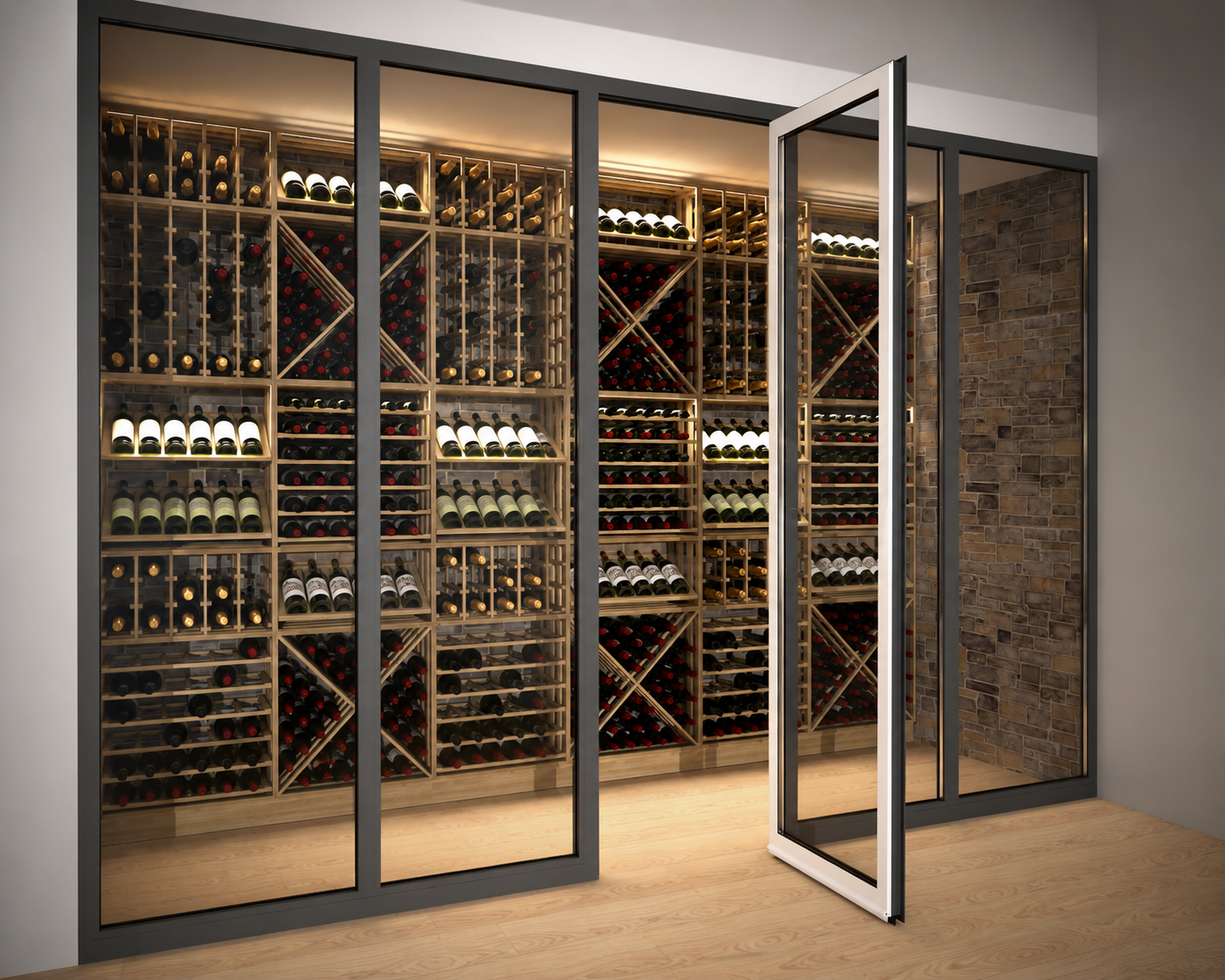
Lighting transforms wine displays from simple storage into captivating focal points. Recessed LED strips illuminate bottles from below or behind, creating ambient glow that highlights wine colours whilst maintaining appropriate temperature control through low-heat output. This subtle illumination draws attention to your collection without harsh direct lighting that might compromise wine quality.
Commercial Applications and Hospitality Design
Restaurants, hotels, and wine bars leverage vertical wine racks to create memorable customer experiences whilst maximising valuable commercial space. These installations serve dual purposes: practical storage that keeps inventory accessible for service staff, and dramatic design elements that communicate sophistication and wine expertise to patrons.
High-capacity vertical systems accommodate extensive commercial collections within compact footprints, essential in hospitality environments where every square metre generates revenue. Modular configurations allow seasonal adjustments as wine lists evolve, whilst robust construction withstands the demands of busy service environments.
Transparency in wine storage appeals to contemporary diners who appreciate seeing extensive selections displayed artfully. Floor-to-ceiling installations create impressive visual statements in dining rooms, whilst behind-bar vertical racks position bottles for efficient service. The marriage of form and function elevates the dining experience whilst streamlining operational workflows.
Application | Primary Benefits | Design Priorities | Capacity Range |
|---|---|---|---|
Restaurants | Space efficiency, visual appeal | Accessibility, durability | 50-500 bottles |
Hotels | Guest experience, lobby impact | Elegant presentation | 100-1000+ bottles |
Wine Bars | Inventory display, brand identity | Flexibility, lighting | 200-800 bottles |
Private Cellars | Collection showcase, conditions | Customisation, capacity | 50-2000+ bottles |
Commercial wine storage demands exceptional build quality that withstands constant use whilst maintaining aesthetic appeal. Premium handcrafted solutions resist the wear that degrades mass-produced alternatives, protecting long-term investment whilst ensuring consistent presentation standards.
Maintenance and Long-Term Care
Preserving the beauty and functionality of your vertical wine rack requires minimal but regular maintenance. Natural wood finishes benefit from occasional treatment with appropriate oils that nourish the timber and enhance its protective properties. These applications restore lustre whilst preventing drying that could lead to splitting or warping.
Dust accumulation diminishes visual appeal and may transfer to bottles during handling. Regular gentle cleaning with soft cloths maintains pristine appearance whilst preventing buildup. Avoid harsh chemicals or excessive moisture that could damage wood finishes or compromise structural integrity.
Periodic inspection identifies potential issues before they escalate. Check mounting hardware for tightness, examine wood for any signs of stress or damage, and ensure bottles remain securely positioned. These simple preventive measures extend product life substantially whilst maintaining safety standards.
Essential maintenance tasks include:
Dusting bottles and rack surfaces monthly
Conditioning wood finishes annually
Inspecting mounting points semi-annually
Reorganising bottles to distribute weight evenly
Addressing any structural concerns immediately
Quality craftsmanship significantly reduces maintenance requirements. Premium solid wood construction resists common problems that plague inferior products, delivering decades of reliable service with minimal intervention. The initial investment in superior materials and construction proves economical through extended product life and reduced upkeep.
Selecting the Right Vertical Wine Rack
Choosing appropriate wine storage involves balancing multiple factors including available space, collection size, aesthetic preferences, and budget considerations. Begin by accurately measuring your intended installation location, accounting for ceiling height, wall width, and any obstructions like sockets or architectural features.
Collection size determines capacity requirements, though planning for future growth proves wise for expanding wine enthusiasts. Modular systems offer scalability that accommodates increasing bottle numbers without replacing entire installations. Consider whether your collection consists primarily of standard Bordeaux bottles or includes larger formats that require adjusted slot dimensions.
Aesthetic alignment with existing interior design ensures harmonious integration rather than visual discord. Traditional spaces benefit from classic wood tones and timeless proportions, whilst contemporary environments may call for smoked oak or streamlined minimalist profiles. The choosing the right vertical wine shelf resource provides valuable guidance for matching storage to collection requirements.
Budget considerations extend beyond initial purchase to encompass installation costs, potential customisation fees, and long-term value. Premium handcrafted furniture commands higher upfront investment but delivers superior durability, timeless design, and sustainable materials that justify the expenditure through extended lifespan and reduced replacement frequency.
DIY Versus Professional Solutions
Ambitious woodworkers may consider constructing custom vertical wine racks, and numerous resources including DIY vertical wine rack projects and building guides provide detailed instructions. However, DIY approaches demand significant woodworking skills, specialised tools, and time investment that may exceed anticipated requirements.
Professional manufacturers offer expertise in wine storage requirements, structural engineering, and finish quality that amateur builders struggle to replicate. The assurance of proper construction, appropriate materials, and reliable mounting systems provides peace of mind alongside superior aesthetic results. For those valuing their collection and interior design, professional solutions represent sound investment.
Selecting and installing a vertical wine rack transforms how you store and display your wine collection whilst making intelligent use of available space. The combination of sustainable materials, thoughtful design, and proper installation creates storage solutions that protect wine quality whilst enhancing interior aesthetics. Whether you’re furnishing a compact urban kitchen or designing an extensive commercial wine cellar, premium handcrafted solutions deliver lasting value through exceptional durability and timeless style. Museliving specialises in creating bespoke solid wood wine storage systems that combine Scandinavian design principles with sustainable FSC-certified materials, offering customisable modular solutions perfectly suited to homes, restaurants, hotels, and commercial spaces throughout Europe.