



Wine bottles are far more than simple vessels for storing fermented grapes. The shape, size, and design of a wine bottle communicate tradition, origin, and quality, whilst also serving practical purposes in production, ageing, and presentation. Understanding the various types of wine bottles helps collectors, restaurateurs, and hospitality professionals make informed decisions about storage, display, and service. From the classic Bordeaux to the distinctive Champagne flute, each bottle type carries centuries of winemaking heritage and specific functional advantages that influence how wine matures and presents.
Traditional Bottle Shapes and Their Origins
The most recognizable types of wine bottles have evolved over centuries in specific wine regions, with each shape reflecting local traditions and practical requirements. The Bordeaux bottle, characterized by its high shoulders and straight sides, originated in France’s Bordeaux region during the early 19th century. This distinctive profile serves a functional purpose: the pronounced shoulders catch sediment during pouring, particularly important for aged red wines that develop deposits over time.
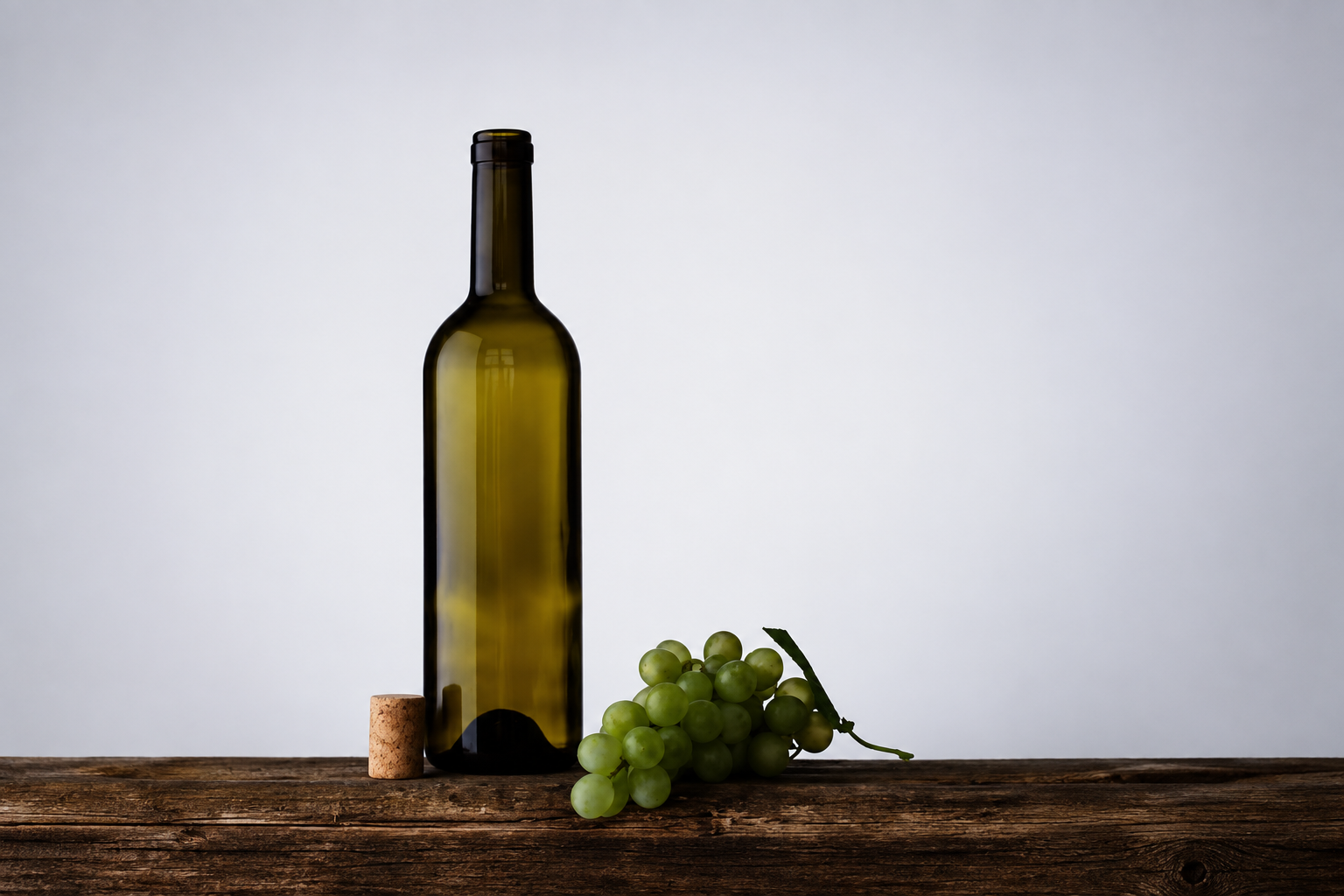
The Burgundy Profile
Burgundy bottles present a gentle slope from neck to base, creating an elegant silhouette that differs markedly from their Bordeaux counterparts. This design emerged in France’s Burgundy region and has become the standard for Pinot Noir and Chardonnay worldwide. The sloping shoulders offer no sediment-catching capability, reflecting the traditionally lighter-bodied wines from this region.
Key characteristics of Burgundy bottles include:
Wider body diameter compared to Bordeaux
Gently sloping shoulders
Shorter overall neck length
Traditional association with premium single-vineyard wines
Preferred format for artisanal and boutique producers
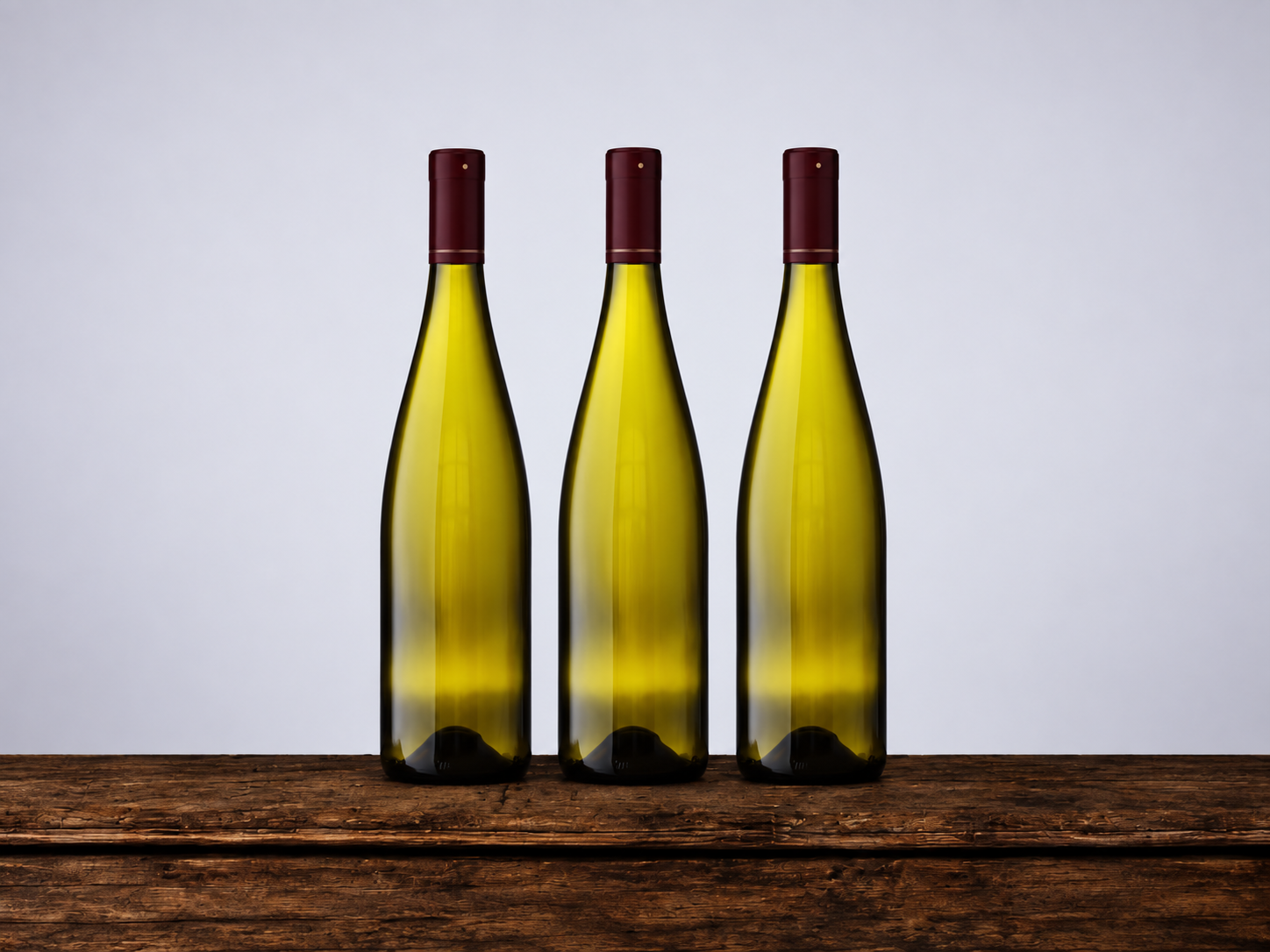
The Alsace bottle shares similarities with the Burgundy shape but presents a taller, more slender profile. Often called the “flute” bottle, this design originated in Germany’s Rhine Valley and spread to France’s Alsace region. Its elongated form distinguishes aromatic white varieties and helps differentiate these wines on retail shelves.
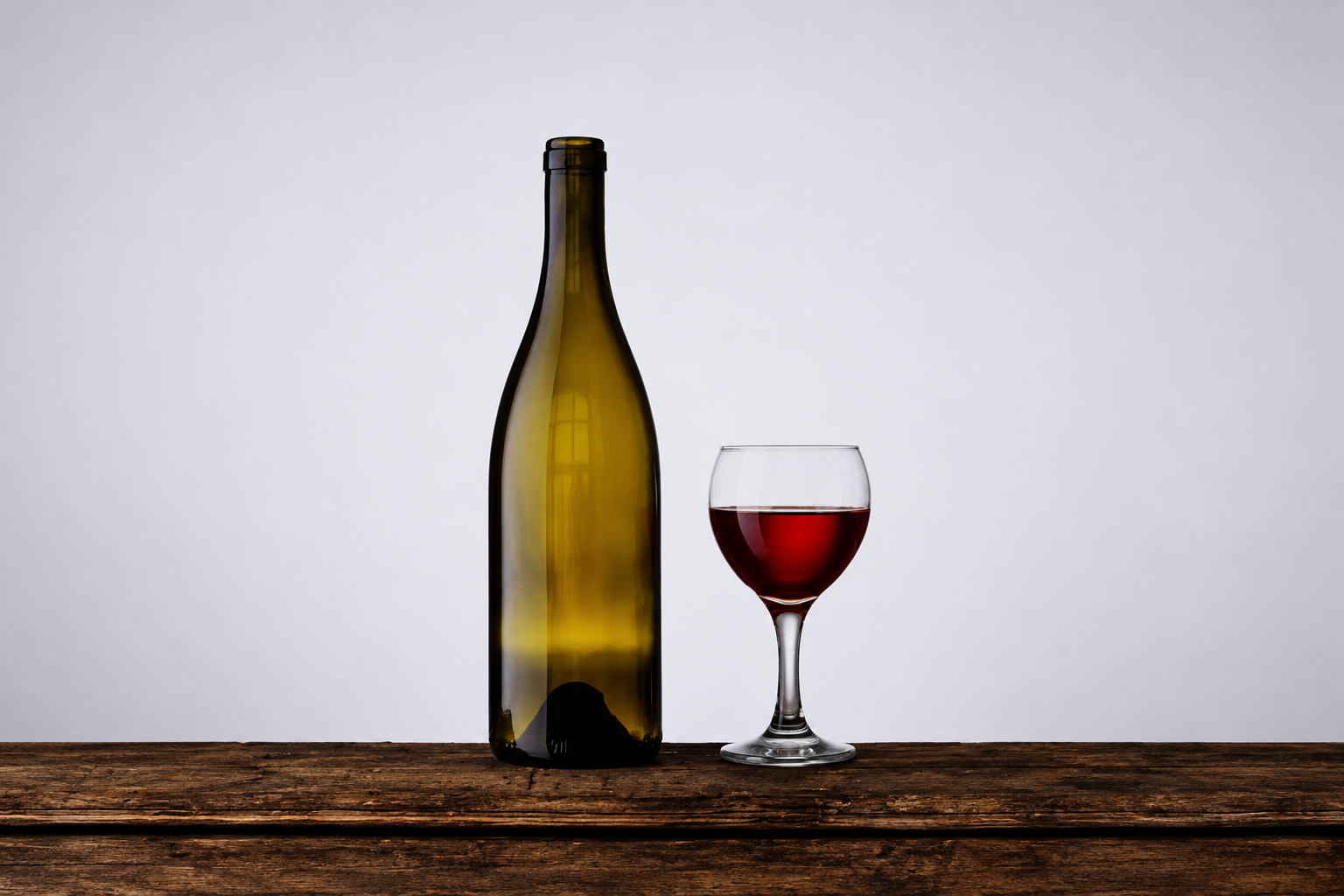
Alsace Wine Bottle Design
Alsace bottles are known for their tall, slender shape and gently sloping shoulders, creating an elegant and instantly recognizable profile. Traditionally used for wines from the Alsace region, this bottle style is also common for aromatic white wines such as Riesling, Gewürztraminer, and Pinot Gris.
The elongated form gives Alsace bottles a refined appearance but also makes them taller than standard Bordeaux or Burgundy bottles. Their narrow diameter can be convenient for vertical storage, while horizontal wine racks should provide sufficient depth and support to accommodate the bottle’s distinctive proportions securely.
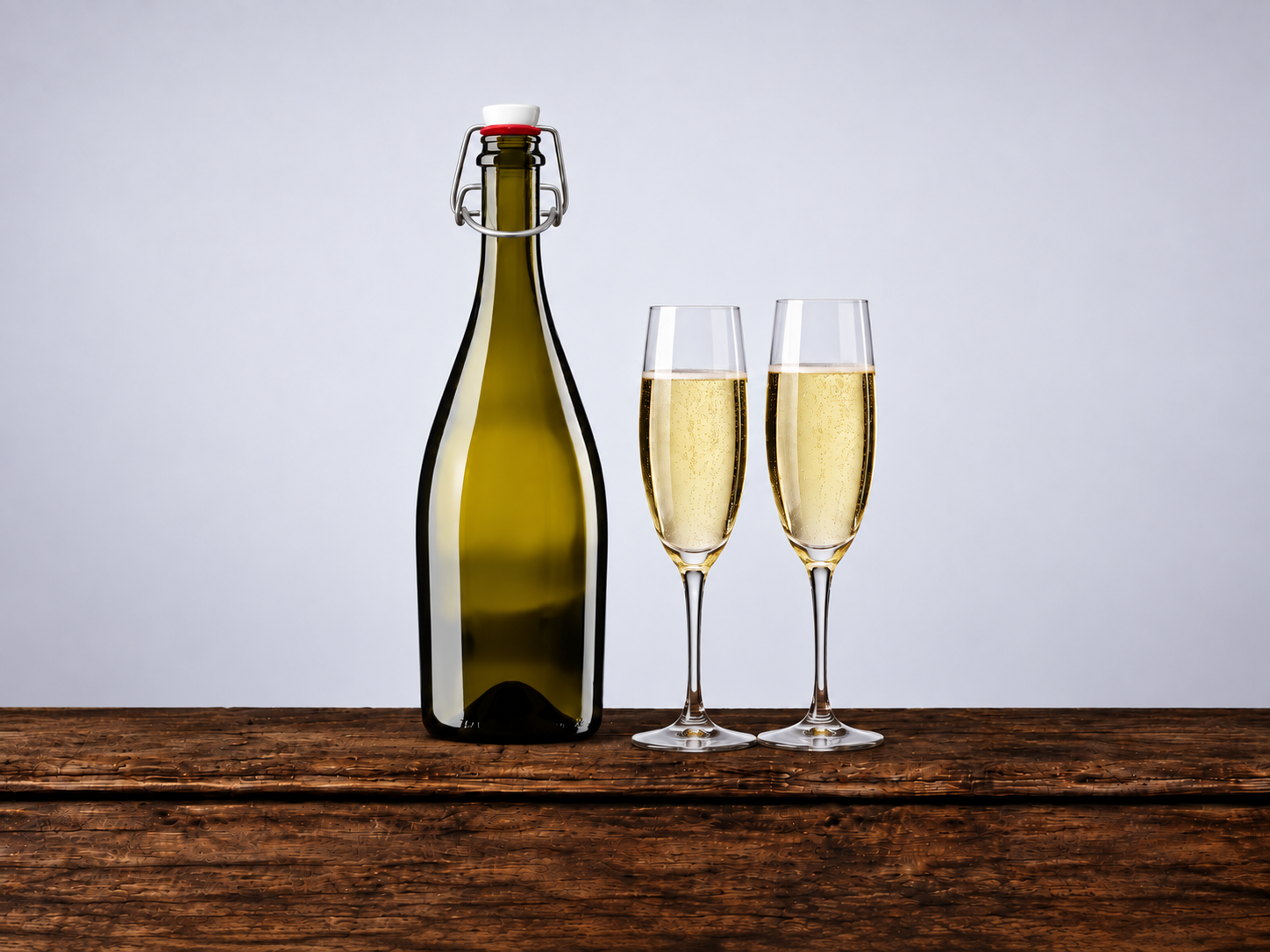
Standard Champagne Bottle Design
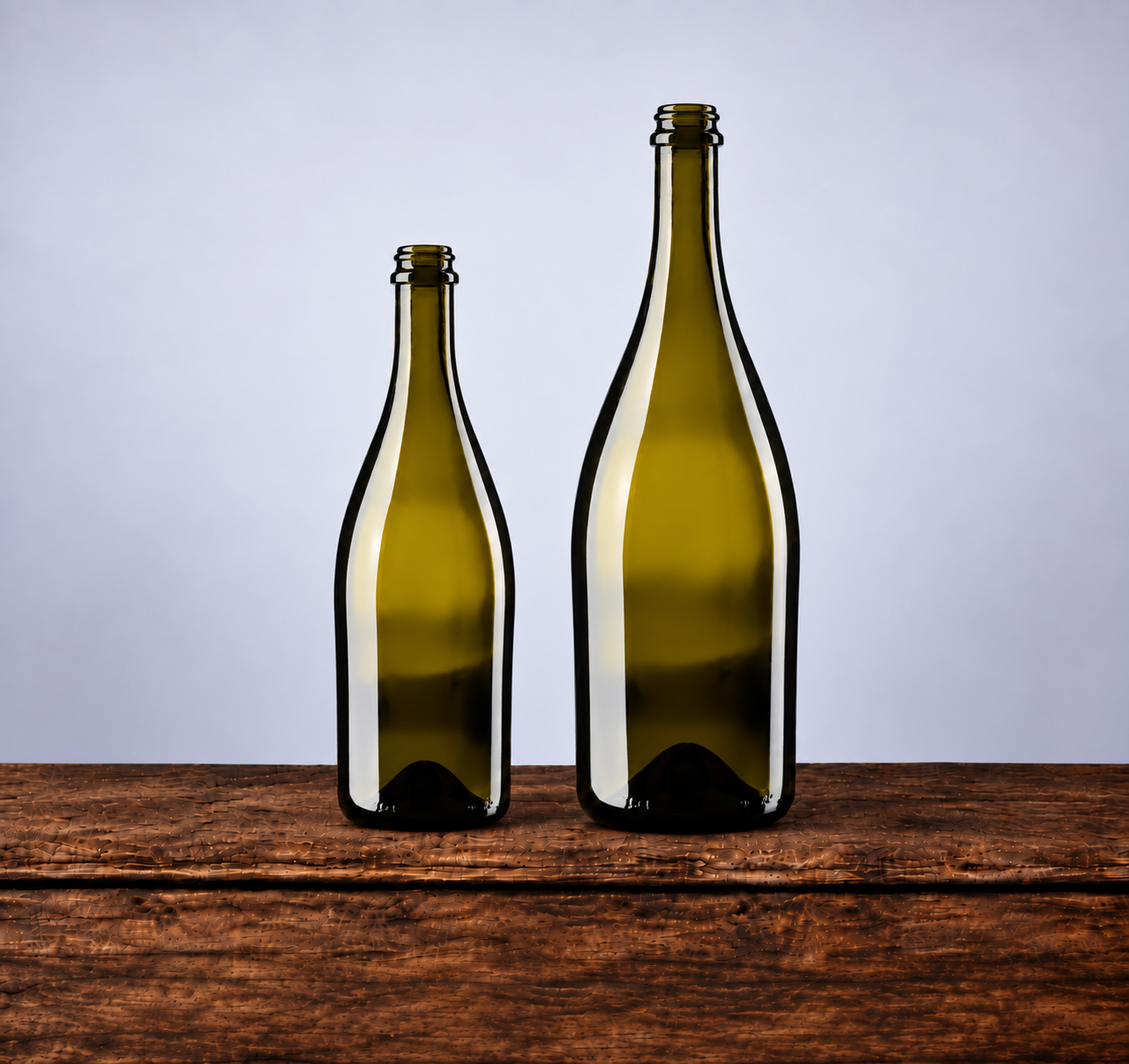
Standard Champagne bottles are designed specifically to withstand the high internal pressure created during secondary fermentation. They are made from thick, heavy glass and typically feature gently sloping shoulders, a wide body, and a deep punt at the base for additional strength and stability.
A standard Champagne bottle usually holds 750 ml and is slightly wider and heavier than typical still-wine bottles. Its reinforced construction makes it suitable not only for Champagne but also for many other sparkling wines produced using traditional or pressure-based methods.
Standard Wine Bottle Sizes and Capacities
The standard wine bottle holds 750 millilitres, a volume that has become the international norm for still wines. This capacity evolved from traditional glassblowing limitations and practical considerations around weight, handling, and serving portions. According to Wine Australia’s labelling guidance, regulatory frameworks across major wine-producing regions have codified this standard whilst permitting specific alternative sizes for particular wine styles.
Common bottle sizes and their traditional names:
Split (187.5ml) – Quarter bottle, single serving
Half bottle (375ml) – Ideal for couples or sampling
Standard (750ml) – Universal format for retail and hospitality
Magnum (1.5L) – Two standard bottles, optimal ageing format
Double Magnum (3L) – Four bottles, prestigious format
Jeroboam (4.5L or 5L) – Six bottles, varies by region
Imperial (6L) – Eight bottles, rare collector’s format
Larger formats offer specific advantages for wine maturation. Magnums provide a better wine-to-air ratio, slowing oxidation and allowing more graceful development over extended periods. Many serious collectors prefer magnums for long-term cellaring of premium vintages, whilst restaurant wine programmes often feature large formats for special occasions and theatrical table service.
Specialty Formats for Specific Markets
Half bottles serve crucial roles in hospitality settings, offering by-the-glass programme flexibility and portion control. Airlines, hotels, and event catering frequently specify 375ml formats for quality wines served in individual portions. These smaller types of wine bottles also appeal to solo drinkers and those seeking variety without commitment to full bottles.
Split bottles, whilst less common in premium segments, dominate certain niches including airline service, wedding favours, and sampling programmes. The 187.5ml format presents challenges for serious wines-the small volume ages rapidly and offers limited storage stability-but provides convenience and portion control that outweigh quality considerations in specific contexts.
Closure Systems and Bottle Compatibility
Types of wine bottles accommodate various closure systems, each offering distinct advantages for specific wine styles and market positioning. Natural cork remains the preferred closure for premium wines intended for extended ageing, whilst alternative closures gain acceptance across quality tiers for wines consumed within shorter timeframes.
Common closure types include:
Natural cork – Traditional, allows micro-oxygenation, premium positioning
Synthetic cork – Consistent performance, eliminates cork taint risk
Screw cap – Excellent seal, preserves freshness, gaining premium acceptance
Glass stopper – Reusable, distinctive, boutique positioning
Crown cap – Sparkling wines during secondary fermentation
The neck diameter and finish (the top portion of the bottle) must match the chosen closure system precisely. Standard cork finishes measure approximately 18.5mm internal diameter, whilst screw cap finishes require specific thread patterns standardized by the International Organization of Vine and Wine. These technical specifications ensure reliable sealing across production volumes and geographic distribution.
Matching Closures to Wine Styles
Red wines intended for extended cellaring typically pair with premium natural cork closures in traditional Bordeaux or Burgundy bottles. The subtle oxygen transmission through quality cork supports slow, complex development over decades. Conversely, fresh white wines and early-drinking styles benefit from screw caps that preserve aromatics and prevent premature oxidation.
The interaction between bottle shape, closure type, and storage orientation influences wine evolution. Traditional cork closures require horizontal storage to maintain moisture contact and prevent seal degradation. Screw caps eliminate this requirement, offering storage flexibility whilst maintaining seal integrity regardless of bottle orientation.
Labelling, Presentation, and Regulatory Requirements
Wine bottle aesthetics communicate brand identity, quality positioning, and regional authenticity. Label placement varies by bottle shape, with Bordeaux bottles typically accommodating front and back labels on their flat surfaces, whilst Burgundy bottles require careful label sizing to complement curved profiles. These practical considerations influence graphic design, information hierarchy, and shelf appeal.
EU regulations governing wine presentation mandate specific labelling elements including volume, alcohol content, origin, and producer information. Bottle selection must accommodate these requirements whilst allowing space for marketing messages, awards, and vintage details. Tall, narrow bottles like Alsace flutes provide excellent label visibility but limited surface area for extensive information.
Premium producers increasingly leverage bottle embossing, deep punts, and custom glass colours to differentiate their offerings. These distinctive features create tactile experiences and shelf presence that transcend printed labels. However, custom bottle moulds require significant investment, limiting such differentiation to established brands with sufficient production volumes.
For wine collectors and hospitality professionals seeking appropriate storage solutions, understanding bottle dimensions becomes essential for cellar planning and display optimization. Standard Bordeaux bottles measure approximately 300mm in height with 75mm diameter, whilst Burgundy bottles spread to 85mm diameter with slightly reduced height. These dimensional variations impact racking systems and storage efficiency.
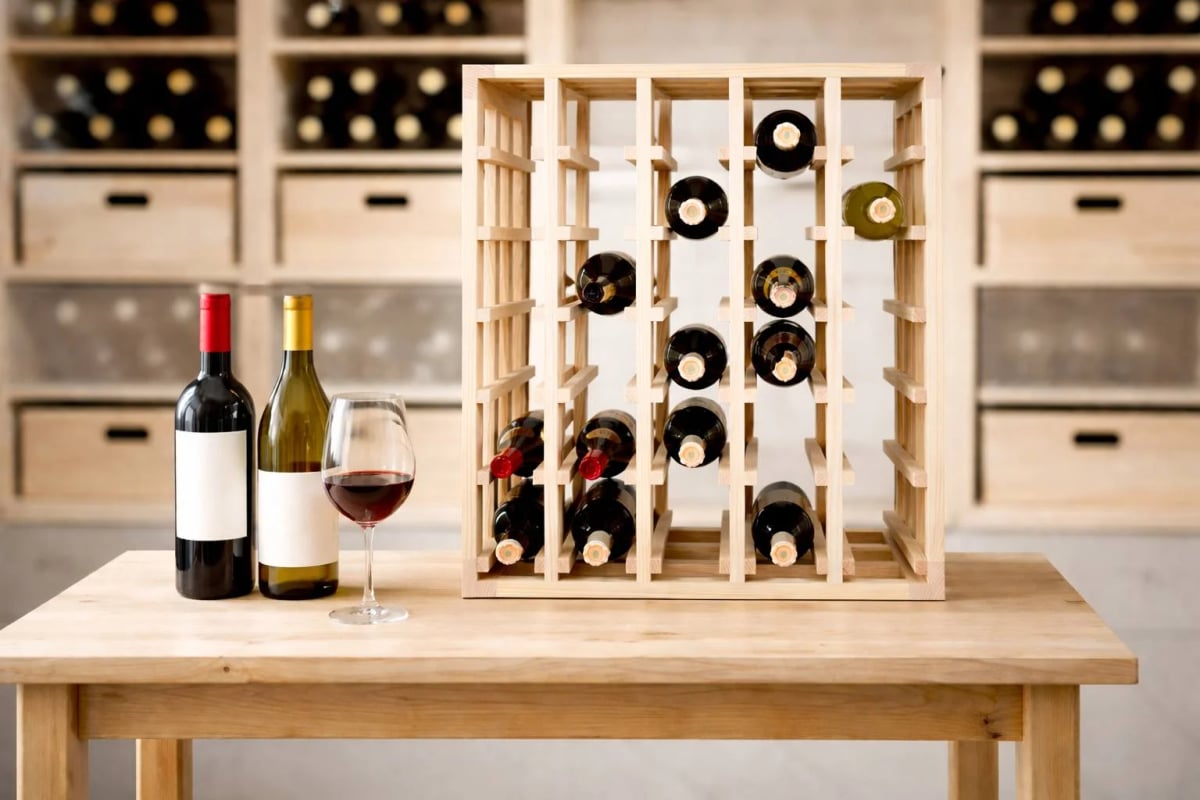
When planning wine storage or display for restaurants, hotels, or private collections, custom-built wine racks that accommodate various bottle profiles ensure optimal space utilization and presentation. Museliving’s modular wine rack systems are handcrafted from solid oak and designed to accommodate different types of wine bottles, from standard Bordeaux to wider Burgundy formats, combining Scandinavian design principles with practical functionality for both residential and commercial wine storage needs.
Commercial and Hospitality Considerations
Restaurant wine programmes and hotel beverage operations must balance bottle aesthetics, storage efficiency, and service practicality. Sommelier teams frequently express preferences for specific bottle types based on table presentation, decanting requirements, and back-of-house handling considerations. Heavy, prestige-format bottles communicate luxury but challenge service staff during tableside presentation and pouring.
Key commercial considerations include:
Storage density and cellar space optimization
Staff handling and service ergonomics
Table presentation and visual impact
Wine list photography and menu integration
Waste management and recycling logistics
Vertical wine displays in restaurant dining rooms showcase bottle diversity whilst providing climate-controlled storage. Modern wine wall designs accommodate mixed bottle profiles, requiring flexible racking systems that adjust to Bordeaux, Burgundy, Alsace and Champagne formats within cohesive architectural installations.
Environment | Preferred Bottles | Key Considerations |
|---|---|---|
Fine Dining | Bordeaux, Burgundy | Classic aesthetics, sediment management |
Wine Bars | Mixed formats | Variety, glass programme flexibility |
Hotels | Standard formats | Inventory efficiency, predictable service |
Events | Magnums, large formats | Visual impact, shared service |
Retail environments prioritize shelf presence and consumer recognition. The types of wine bottles selected for specific markets reflect consumer familiarity, with traditional Bordeaux and Burgundy shapes dominating premium segments whilst alternative formats gain traction in innovative, sustainability-focused brands targeting younger demographics.
Historical Evolution and Future Trends
Wine bottle standardization emerged gradually from the 17th through 19th centuries as glassmaking technology advanced and international trade expanded. Early wine bottles varied wildly in shape and capacity, reflecting individual glassblower capabilities and regional preferences. The Industrial Revolution enabled consistent production, whilst growing wine commerce demanded reliable volumes and compatible shipping containers.
International standards bodies like the OIV now coordinate technical specifications, labelling requirements, and traceability systems that facilitate global wine trade. These frameworks balance tradition, sustainability imperatives, and commercial practicality, evolving continuously to address emerging challenges including climate change, consumer preferences, and circular economy principles.
Emerging Innovations in Bottle Design
Contemporary bottle innovations focus on weight reduction, recycled content integration, and alternative materials whilst maintaining the sensory and functional properties that define quality wine packaging. Some producers experiment with bottles incorporating 70-85% recycled glass content, demonstrating that sustainability and premium positioning can coexist when properly communicated to discerning consumers.
Digital technologies increasingly integrate with physical bottles through QR codes, NFC tags, and authentication features embedded in glass or labels. These innovations address counterfeiting concerns whilst providing consumers access to provenance information, serving suggestions, and producer storytelling that deepens engagement beyond the initial purchase.
The future trajectory of wine bottle design balances competing pressures: tradition versus innovation, sustainability versus perceived quality, standardization versus differentiation. Successful producers navigate these tensions by maintaining authentic regional bottle styles whilst embracing incremental improvements in weight, recycled content, and closure technology that align with evolving consumer values without compromising wine quality or brand heritage.
Technical Specifications and Manufacturing Processes
Modern wine bottle production employs automated processes capable of producing thousands of units hourly whilst maintaining precise dimensional tolerances and structural integrity. The manufacturing process begins with raw materials-silica sand, soda ash, limestone, and recycled cullet-melted at approximately 1,500 degrees Celsius before moulding into specific bottle profiles.
Bottle colour results from mineral additives: iron oxide creates green glass, whilst cobalt produces blue tones used occasionally for distinctive positioning. Clear (flint) glass offers maximum visibility of wine colour but provides minimal UV protection, limiting suitability for wines requiring extended storage or light exposure resistance.
Critical manufacturing specifications include:
Wall thickness consistency for pressure resistance
Neck finish precision for closure compatibility
Base stability and punt depth for storage stacking
Glass composition for recycling compatibility
Weight tolerances for shipping calculations
Quality control measures assess dimensional accuracy, structural integrity, and visual clarity throughout production. Defects including bubbles, thickness variations, or finish imperfections result in rejection before bottles reach filling lines. Premium producers specify tighter tolerances and enhanced inspection protocols, increasing costs but ensuring consistent performance across large production volumes.
Understanding the diverse types of wine bottles empowers informed decisions around storage, presentation, and sustainability within wine programmes. From traditional regional shapes to modern lightweight innovations, each bottle format reflects the evolution of winemaking heritage whilst addressing contemporary environmental and commercial requirements. Whether planning residential wine storage or commercial installations across Europe, Museliving offers handcrafted modular wine rack solutions that accommodate every bottle profile, combining Scandinavian design principles with sustainable FSC-certified materials to create elegant, functional storage systems tailored to your specific requirements.