



Solid wood furniture represents a timeless investment in quality, craftsmanship, and environmental responsibility. Unlike mass-produced alternatives constructed from engineered wood products or synthetic materials, authentic timber pieces offer unmatched durability, natural beauty, and the ability to age gracefully over decades. As consumers increasingly prioritize sustainability and longevity in their purchasing decisions, understanding the distinctive characteristics, benefits, and considerations of solid wood furniture has become essential for anyone furnishing residential or commercial spaces.
The Enduring Appeal of Authentic Timber Construction
Genuine wood furniture stands apart from composite alternatives through its structural integrity and aesthetic qualities. Each piece showcases unique grain patterns, natural colour variations, and tactile warmth that cannot be replicated by veneer or laminate surfaces.
The construction method fundamentally distinguishes solid wood furniture from other categories. Traditional joinery techniques, including mortise-and-tenon joints, dovetails, and dowel construction, create connections that strengthen over time rather than deteriorate. These methods have been refined across centuries, proving their effectiveness in furniture that has survived generations.
Material Authenticity and Performance
Solid timber construction uses planks cut directly from logs, with minimal processing beyond seasoning and dimensional milling. This direct relationship between forest and finished product ensures:
Structural stability through consistent density and grain direction
Repairability when minor damage occurs over decades of use
Refinishing capability allowing surfaces to be sanded and restored multiple times
Weight and solidity that contribute to perceived quality and stability
The USDA Forest Products Laboratory’s Wood Handbook provides comprehensive technical data on wood properties, explaining how different species perform in furniture applications and which characteristics make certain timbers particularly suitable for specific uses.
Sustainability and Environmental Responsibility
Modern consumers recognize that furniture choices carry environmental implications. Solid wood furniture, when sourced responsibly, offers significant sustainability advantages over alternatives manufactured from fossil fuel-derived materials or tropical hardwoods harvested without regard for forest regeneration.
Forest Certification and Responsible Sourcing
Third-party certification systems provide transparent verification that timber originates from responsibly managed forests. The Forest Stewardship Council (FSC) and Programme for the Endorsement of Forest Certification (PEFC) maintain rigorous standards covering biodiversity protection, workers’ rights, and long-term forest health.
FSC certification for furniture ensures that every link in the supply chain, from forest to finished product, meets environmental and social responsibility criteria. Manufacturers who maintain chain-of-custody certification demonstrate commitment to sustainable sourcing practices that extend beyond marketing claims.
European manufacturers increasingly prioritize FSC-certified oak, pine, and other regional species that combine sustainability with excellent furniture performance characteristics. These timbers grow within well-managed temperate forests where replanting and ecosystem preservation form integral parts of forestry practice.
Carbon Storage and Climate Benefits
Timber furniture functions as a long-term carbon store, sequestering atmospheric carbon dioxide absorbed during tree growth. The FAO’s research on harvested wood products demonstrates how durable wood furniture contributes to climate change mitigation by keeping carbon locked away for decades or centuries.
Environmental Factor | Solid Wood Furniture | Alternative Materials |
|---|---|---|
Carbon footprint | Low (renewable resource) | High (energy-intensive) |
End-of-life disposal | Biodegradable or recyclable | Landfill burden |
Manufacturing energy | Minimal processing required | Significant industrial processing |
Longevity | Multi-generational with care | Limited lifespan |
Species Selection and Characteristics
Different timber species offer distinct aesthetic and performance qualities that suit specific furniture applications. Understanding these characteristics enables informed decisions when selecting pieces for particular environments and uses.
Oak: The Traditional Standard
Oak remains the predominant choice for quality furniture across Europe and North America. Its combination of strength, attractive grain, and workability has made it the reference standard for centuries.
Key oak characteristics:
Exceptionally durable with high resistance to wear
Distinctive open grain pattern with prominent medullary rays
Takes finishes beautifully, from natural oils to contemporary stains
Available in white oak and red oak varieties with subtle differences
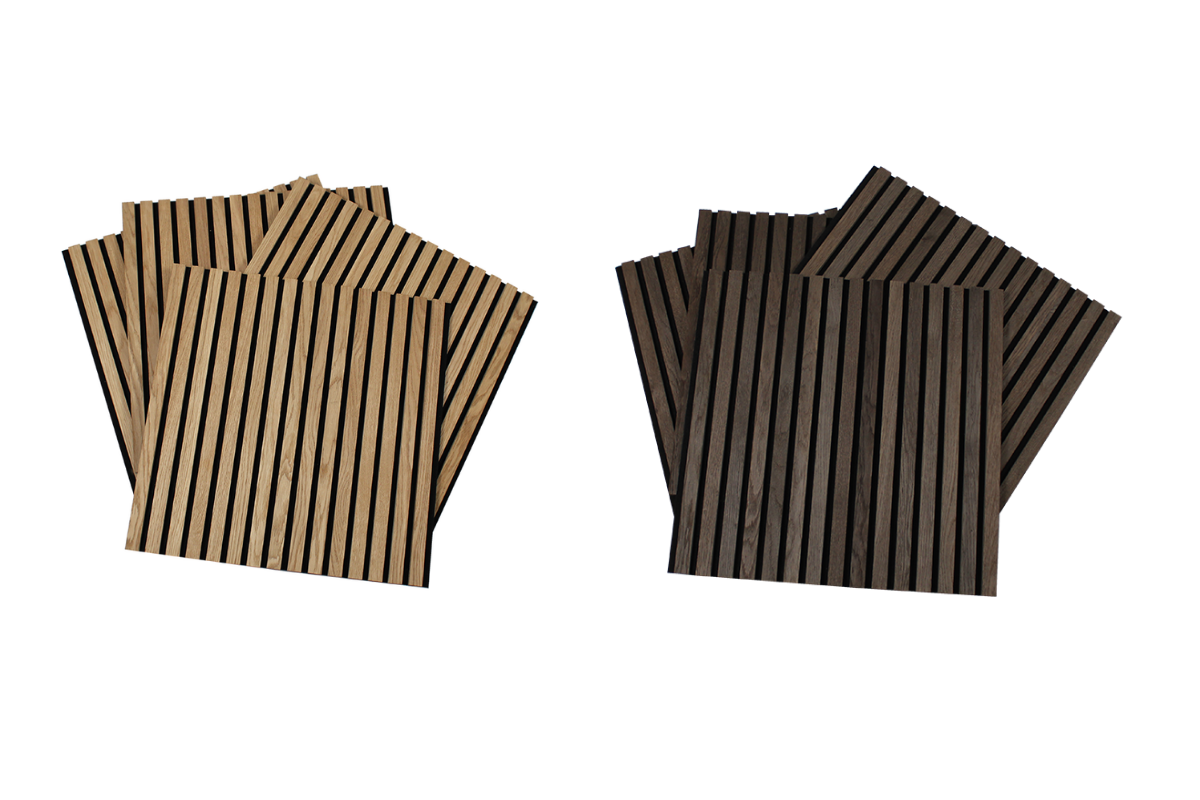
Smoked oak represents a specialized treatment that exposes timber to ammonia fumes, creating rich brown tones that penetrate throughout the wood rather than sitting on the surface like stain.
Pine: Accessible Elegance
Pine offers lighter weight and more accessible pricing whilst maintaining solid wood authenticity. Scandinavian pine, particularly from slow-growth northern forests, provides tight grain patterns and excellent stability.
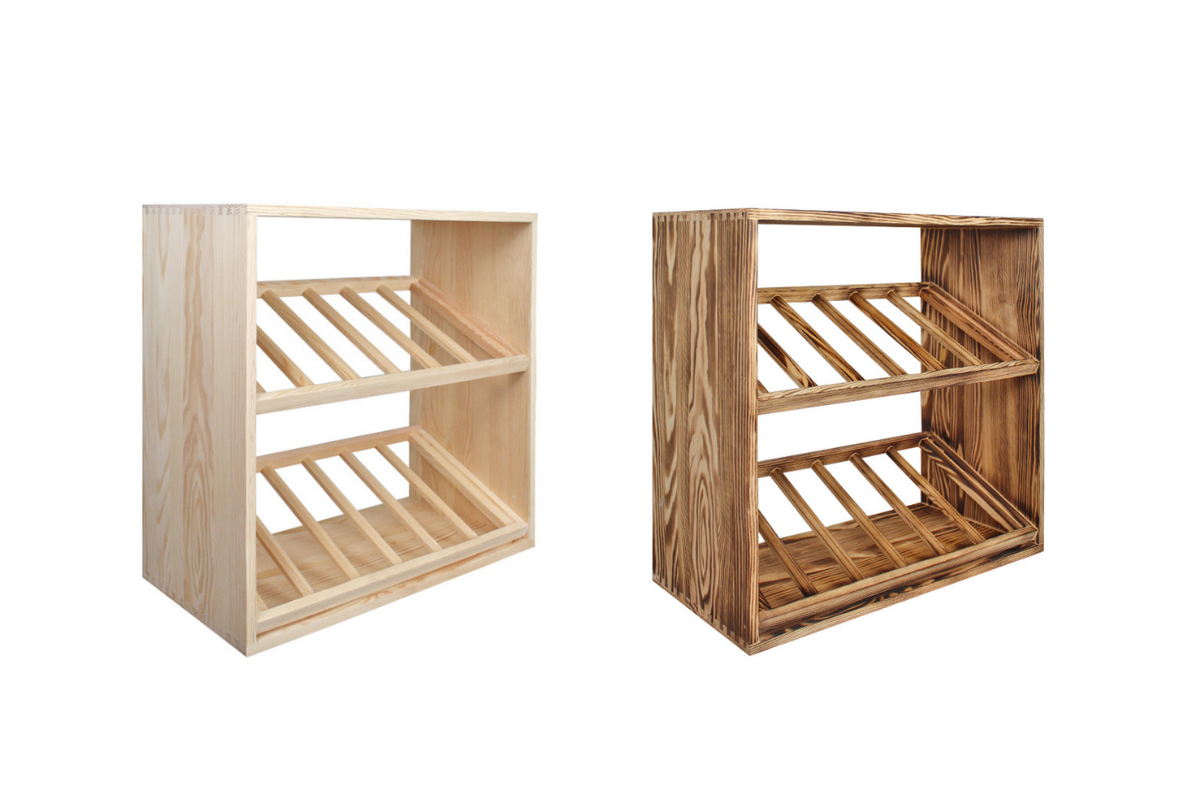
The species suits painted finishes exceptionally well whilst also displaying attractive natural character when treated with clear oils or waxes. Burnt pine finishing techniques create dramatic blackened surfaces with enhanced dimensional stability and unique aesthetic appeal.
Specialized Timbers
Regional preferences and specific design requirements sometimes call for alternative species:
Walnut delivers deep chocolate tones and luxurious grain
Ash provides pale, open-grain character with excellent shock resistance
Beech offers fine, even texture ideal for turned and curved components
Cherry develops rich patina as it ages and oxidizes
The USDA Forest Service’s detailed species characteristics guide provides technical information on commercially important woods, including specific gravity, shrinkage rates, and recommended applications.
Construction Quality and Craftsmanship
Manufacturing methods separate exceptional solid wood furniture from mediocre examples. Traditional joinery, careful timber selection, and attention to wood movement principles distinguish handcrafted pieces from mass production.
Joinery Techniques
Premium furniture employs time-tested joinery that creates mechanical connections stronger than modern adhesives alone:
Mortise-and-tenon joints for frame construction and leg-to-rail connections
Dovetail joints for drawer assembly and case construction
Dowel joints for edge-to-edge panel assembly
Biscuit joints for alignment and reinforcement of broad surfaces
These methods accommodate the natural expansion and contraction that occurs as wood responds to seasonal humidity changes, preventing the splitting and warping that plague poorly constructed pieces.
Timber Preparation and Seasoning
Properly dried wood forms the foundation of stable furniture. Kiln-drying reduces moisture content to equilibrium with typical interior environments, typically 8-12% depending on climate.
Manufacturers who rush this process or use inadequately seasoned timber inevitably produce furniture prone to:
Warping and twisting as moisture content equalizes
Joint failure as components shrink at different rates
Surface checking and splitting in solid panels
Drawer binding and door misalignment
Design Philosophies and Aesthetic Approaches
Solid wood furniture spans diverse design traditions, from ornate historical reproductions to minimalist contemporary expressions. Each approach leverages timber’s inherent qualities whilst reflecting particular aesthetic values.
Scandinavian Minimalism
Nordic design philosophy emphasizes clean lines, functional simplicity, and respect for material authenticity. This approach allows wood’s natural character to dominate, using subtle shaping and restrained detailing rather than applied ornamentation.
Characteristics of Scandinavian-inspired solid wood furniture include:
Light timber finishes that enhance rather than obscure grain
Tapered legs and refined proportions creating visual lightness
Modular configurations adaptable to diverse spatial requirements
Integration of practical storage without aesthetic compromise
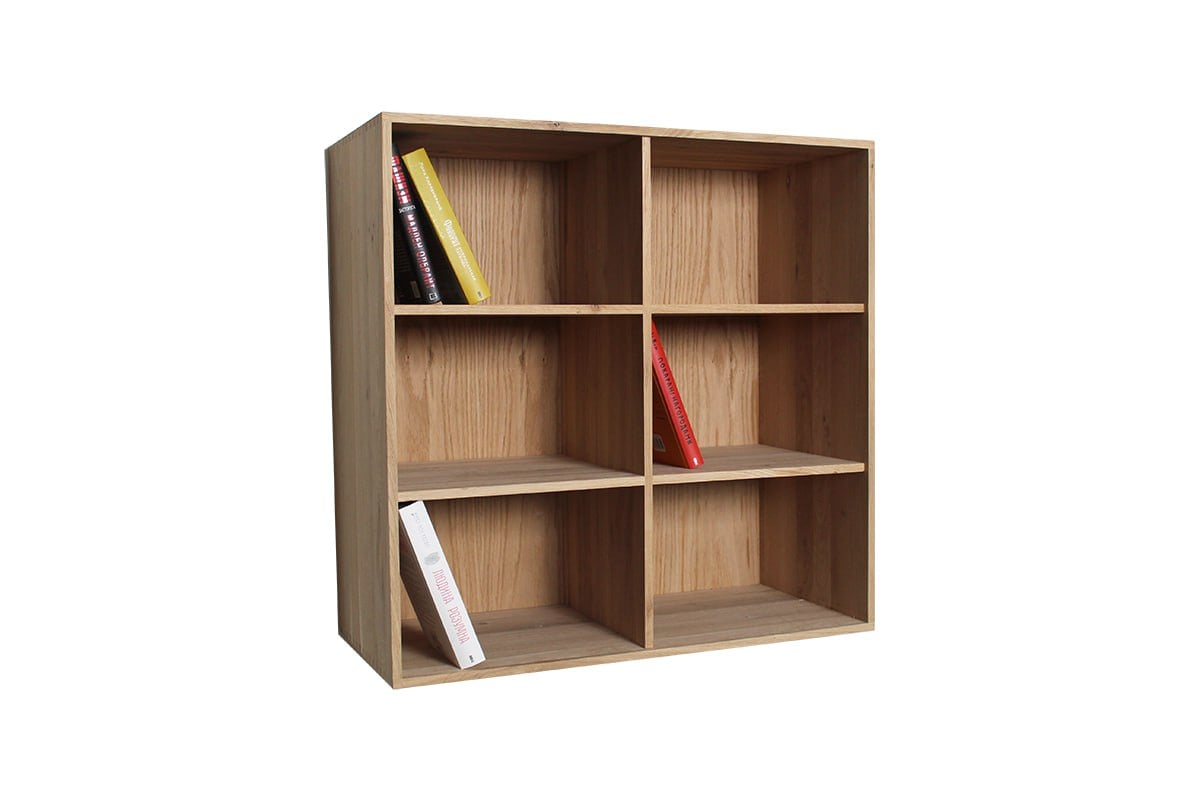
For those seeking refined storage solutions that embody these principles, handcrafted modular bookshelves demonstrate how Scandinavian design combines functionality with timeless elegance, using sustainable materials and made-to-order craftsmanship.
Traditional and Period Styles
Historical furniture traditions from Georgian, Victorian, Arts and Crafts, and other periods continue to influence contemporary design. These approaches often feature:
Carved details and applied mouldings
Turned legs and decorative spindles
Darker finishes emphasizing formality
Specific joinery associated with particular eras
Practical Considerations for Selection
Choosing solid wood furniture requires balancing aesthetic preferences with practical requirements related to use, maintenance, and environmental conditions.
Matching Furniture to Environment
Different settings impose varying demands on furniture performance:
Residential applications prioritize comfort, personal expression, and long-term value. Dining tables, bedroom furniture, and living room pieces benefit from solid wood’s warmth and durability.
Commercial spaces including restaurants, hotels, and offices require furniture that withstands intensive use whilst maintaining appearance. Solid timber’s repairability and refinishing capability provide lifecycle advantages over alternatives that show permanent wear.
Climate considerations influence species selection and finish choices. Environments with significant humidity fluctuation benefit from stable species with lower shrinkage coefficients.
Environment Type | Recommended Features | Considerations |
|---|---|---|
Residential dining | Hardwearing surfaces, liquid-resistant finish | Family use, spill exposure |
Office furniture | Stable species, professional appearance | Intensive daily use |
Hospitality venues | Commercial-grade finish, easy maintenance | Public interaction, cleaning requirements |
Residential bedroom | Softer finishes, natural appearance | Lower wear, aesthetic priority |
Maintenance and Long-Term Care
Solid wood furniture rewards proper care with decades or centuries of service. Understanding basic maintenance principles ensures pieces retain beauty and functionality throughout their lifespan.
Routine Care Practices
Daily and weekly maintenance requires minimal effort:
Dust regularly with soft, dry cloths to prevent abrasive particle accumulation
Wipe spills immediately to prevent moisture penetration and staining
Avoid placing furniture in direct sunlight, which causes uneven fading
Maintain consistent indoor humidity between 40-60% to minimize dimensional movement
The Getty Conservation Institute’s guidance on preventive conservation provides museum-standard recommendations applicable to valuable furniture, emphasizing environmental control and gentle cleaning methods.
Periodic Maintenance Requirements
Annual or semi-annual attention maintains finish integrity:
Clean thoroughly with appropriate products for specific finishes
Apply fresh wax or oil to nourished finishes showing dryness
Inspect joints for looseness requiring attention
Check for minor damage requiring professional repair before deterioration advances
Professional Restoration
Even well-maintained solid wood furniture may eventually require professional intervention. The refinishing capability distinguishes authentic timber from veneered or composite alternatives:
Surface refinishing removes wear, stains, and finish deterioration
Structural repair addresses loose joints or damaged components
Colour adjustment evens fading or modifies appearance
Hardware replacement updates functionality whilst preserving original structure
The V&A Museum’s conservation resources detail professional approaches to furniture preservation, demonstrating techniques applicable to valuable pieces requiring expert attention.
Value Proposition and Investment Perspective
Solid wood furniture commands premium pricing compared to mass-produced alternatives, yet delivers superior value when evaluated across extended timescales.
Lifecycle Cost Analysis
Initial purchase price represents only one component of total ownership cost:
Solid wood furniture typically features:
Higher upfront investment
Minimal replacement need across decades
Repair and refinishing options extending useful life
Potential appreciation for quality vintage pieces
Alternative construction often involves:
Lower initial cost
Limited lifespan before replacement becomes necessary
Irreparable damage from normal wear
Negligible resale or vintage value
Heritage and Emotional Value
Beyond financial considerations, solid wood furniture carries intangible benefits. Pieces passed between generations create family connections, whilst the patina developed through years of use adds character impossible to manufacture.
Quality furniture becomes part of life’s narrative, associated with gatherings, daily rituals, and significant moments. This emotional dimension contributes value that purely functional alternatives cannot match.
Customization and Made-to-Order Advantages
Standard sizing and finish options suit many applications, yet custom specification ensures furniture integrates perfectly with specific spaces and requirements.
Dimensional Flexibility
Made-to-order manufacturing accommodates:
Precise measurements for challenging spaces
Non-standard heights for ergonomic requirements
Custom configurations for unique layouts
Integrated solutions combining multiple functions
Finish and Material Choices
Beyond standard offerings, custom work enables:
Species selection matching existing furniture or architectural elements
Specialized finishing techniques creating unique appearance
Hardware choices reflecting personal preference
Modified designs incorporating specific storage or functional requirements
Modular Design and Adaptive Solutions
Contemporary solid wood furniture increasingly embraces modular principles, allowing configurations that adapt as needs evolve.
Scalable Systems
Modular approaches provide:
Initial investment scaled to current requirements and budget
Expansion capability as space or needs grow
Reconfiguration options when relocating or repurposing rooms
Component replacement without complete system obsolescence
Wine storage systems, shelving units, and partition solutions exemplify how modular solid wood furniture combines traditional material authenticity with contemporary flexibility. These systems suit residential wine enthusiasts and commercial hospitality environments equally well, scaling from compact installations to extensive cellar configurations.
Commercial Applications and Hospitality Design
Solid wood furniture’s durability and refinishing capability make it particularly suitable for commercial environments where intensive use and brand consistency matter.
Restaurant and Hotel Specifications
Hospitality venues benefit from timber furniture that:
Withstands constant use without showing permanent wear
Maintains appearance through commercial cleaning protocols
Conveys quality and attention to detail supporting brand positioning
Offers repair options avoiding complete replacement after minor damage
Office and Corporate Environments
Professional settings increasingly recognize solid wood furniture’s contribution to:
Employee wellbeing through natural material presence
Acoustic improvement compared to hard synthetic surfaces
Sustainability credentials supporting corporate environmental commitments
Professional appearance communicating organizational values
Solid wood furniture represents an investment in quality, sustainability, and timeless design that serves homes and commercial spaces for generations. Understanding species characteristics, construction quality, and maintenance requirements enables informed decisions that deliver lasting value and satisfaction. Museliving specializes in handcrafted Scandinavian furniture made from FSC-certified oak, pine, and premium sustainable materials, offering modular solutions and custom configurations manufactured to order across Europe. Whether furnishing residential spaces or commercial environments, our commitment to premium craftsmanship and sustainable production ensures furniture that combines functionality, elegance, and enduring quality.