


A solid wood dining table represents far more than a functional piece of furniture. It serves as the heart of the home, a gathering place for family meals, celebrations, work, and conversation. Unlike tables made from engineered wood, veneers, or composite materials, a solid wood dining table offers unmatched durability, timeless beauty, and the potential to become an heirloom piece that lasts for generations. As consumers increasingly prioritise sustainability and quality craftsmanship in 2026, understanding what makes a truly exceptional solid wood dining table has never been more important.
Understanding Solid Wood Construction
When furniture makers describe a table as “solid wood,” they mean that all visible wood parts are cut from timber planks rather than manufactured boards or veneered surfaces. This distinction matters significantly for longevity, repairability, and aesthetic appeal.
What Qualifies as Solid Wood
Authentic solid wood construction involves joining individual boards edge-to-edge to create wider panels for tabletops, while legs and aprons are shaped from solid timber pieces. The USDA Forest Service’s Wood Handbook provides comprehensive guidance on identifying genuine solid wood and understanding its mechanical properties.
Key characteristics include:
Continuous grain patterns that run through the entire thickness of the material
Natural variations in colour, figure, and texture throughout each component
Edge profiles that reveal solid timber rather than thin surface layers
Authentic wood movement with seasonal expansion and contraction
Many furniture pieces marketed as “wood tables” actually feature thin veneers over particleboard or MDF cores. These products lack the structural integrity and repairability of genuine solid wood construction, making verification essential before purchase.
Choosing the Right Wood Species
The species you select for your solid wood dining table profoundly affects its appearance, durability, maintenance requirements, and price. European furniture manufacturers typically work with locally sourced hardwoods, particularly oak species prized for their strength and attractive grain.
Popular Hardwood Options
Wood Species | Janka Hardness | Characteristics | Best Applications |
|---|---|---|---|
Oak | 1,290-1,360 lbf | Dense, durable, prominent grain | High-traffic family dining |
Walnut | 1,010 lbf | Rich colour, fine grain, stable | Formal dining rooms |
Ash | 1,320 lbf | Light tone, flexible, shock-resistant | Modern Scandinavian styles |
Beech | 1,450 lbf | Smooth grain, even texture, strong | Contemporary minimalist designs |
The Wood Database offers detailed comparisons of mechanical properties across hundreds of species, helping buyers understand performance differences. Oak remains the gold standard for dining tables across Europe due to its exceptional balance of workability, strength, and aesthetic appeal.
Sustainable Sourcing Considerations
Responsible wood sourcing has moved from niche concern to mainstream priority. The Forest Stewardship Council (FSC) sets rigorous standards for sustainable forestry, ensuring that timber harvesting supports forest regeneration and protects biodiversity.
When evaluating suppliers, look for:
FSC certification or equivalent third-party verification
Transparent supply chains with documented wood origins
Regional sourcing that minimizes transportation emissions
Waste minimization practices in manufacturing processes
The European Furniture Industries Confederation reports that over 68% of European consumers now consider environmental credentials when purchasing furniture, driving manufacturers to adopt certified sustainable materials as standard practice.
Design Styles and Aesthetics
Solid wood dining tables span an extraordinary range of design languages, from rustic farmhouse to sleek minimalism. Your choice should harmonise with your interior whilst meeting practical requirements for seating capacity and movement space.
Scandinavian-Inspired Minimalism
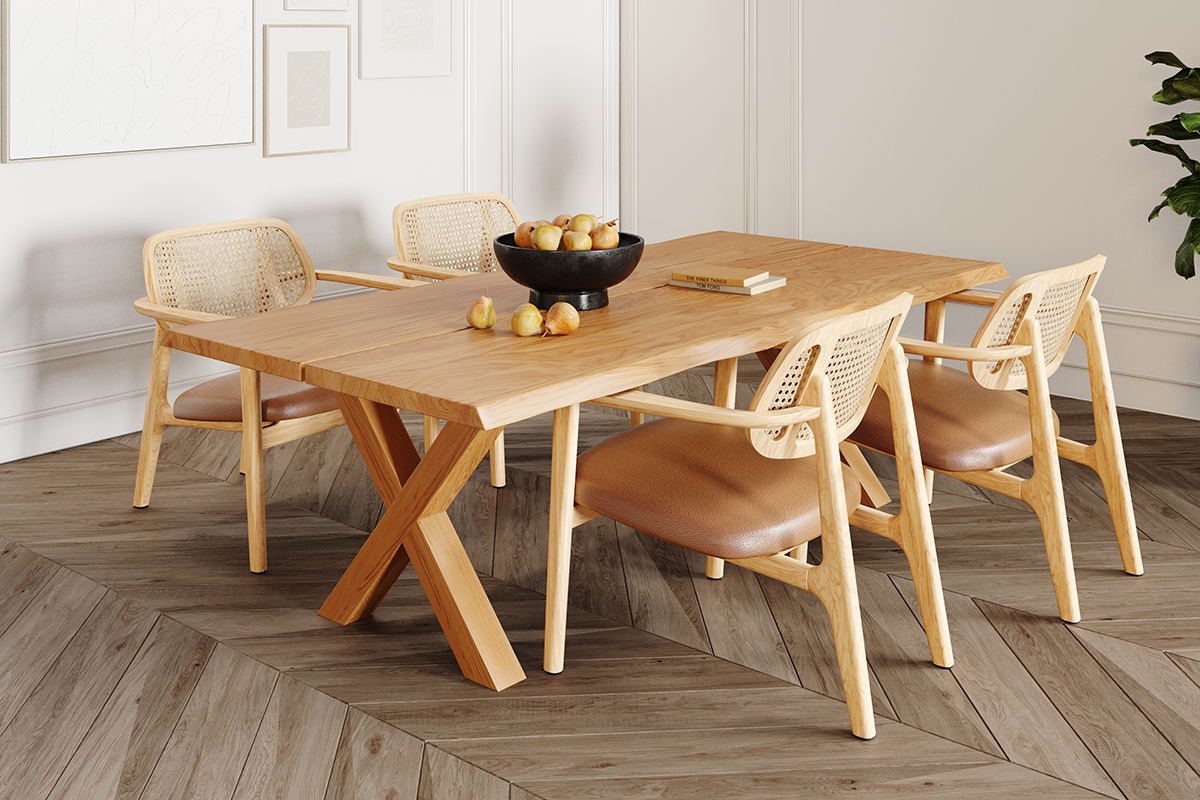
Clean lines, natural finishes, and emphasis on the wood’s inherent beauty define this enduringly popular aesthetic. Scandinavian design principles celebrate simplicity without sacrificing warmth, making solid wood the perfect material for creating inviting yet uncluttered spaces.
Characteristics include:
Straightforward joinery with minimal ornamentation
Natural oil or soap finishes that preserve the wood’s texture
Tapered legs that create visual lightness
Neutral colour palettes emphasising timber tones
Traditional and Farmhouse Styles
For those seeking heritage character, solid wood dining tables with turned legs, breadboard ends, and generous proportions evoke farmhouse charm. These designs often feature distressed finishes, visible knots, and construction details that celebrate craftsmanship.
Architectural Digest’s guidance on informal dining spaces suggests that even traditional tables benefit from relaxed styling, mixing formal wood furniture with casual seating and contemporary accessories.
Size, Shape, and Spatial Planning
Selecting the correct dimensions ensures your solid wood dining table functions comfortably within your available space whilst accommodating your typical number of diners.
Standard Dimensions and Seating Capacity
Understanding the relationship between table size and comfortable seating prevents cramped dining experiences:
60 cm per person minimum width along the table edge
30-40 cm depth per place setting from table edge inward
90-120 cm walking space around all sides for chair movement
Table Shape | Dimensions (cm) | Comfortable Seating |
|---|---|---|
Rectangular | 150 × 90 | 4-6 people |
Rectangular | 180 × 90 | 6-8 people |
Rectangular | 220 × 100 | 8-10 people |
Round | 120 diameter | 4-6 people |
Round | 150 diameter | 6-8 people |
Rectangular tables offer maximum flexibility and efficiency in long, narrow dining rooms, whilst round tables encourage conversation and work beautifully in square spaces.
Extension Mechanisms and Adaptability
Many solid wood dining tables incorporate extension systems that expand capacity for entertaining. Traditional drop leaves, butterfly leaves, and modern synchronized mechanisms each offer distinct advantages.
Look for:
Smooth operation with minimal effort required
Secure locking that eliminates wobble when extended
Leaf storage solutions if leaves are removable
Grain matching so extensions blend seamlessly
Construction Quality and Joinery
The longevity of your solid wood dining table depends heavily on construction techniques, particularly how components are joined together. Superior joinery withstands decades of use and the stresses caused by wood movement.
Traditional Joinery Methods
Mortise-and-tenon joints, dovetails, and dowel construction represent time-tested methods that create strong, lasting connections without excessive reliance on metal fasteners or adhesives. These techniques allow slight movement, preventing cracking as wood expands and contracts.
The American Home Furnishings Alliance outlines industry standards for furniture construction, including joint strength requirements that quality manufacturers routinely exceed.
Critical construction elements include:
Apron-to-leg joints with proper reinforcement
Breadboard ends or battens controlling tabletop movement
Hardwood corner blocks adding rigidity
Drawer boxes with dovetail or English dovetail joinery
Tabletop Construction Techniques
Solid wood tabletops require careful edge-joining of individual boards to create stable, flat surfaces. Premium manufacturers select boards with complementary grain patterns and moisture content, ensuring minimal warping over time.
Key quality indicators:
Tight glue lines between joined boards
Consistent thickness across the entire surface
Balanced grain orientation preventing cupping
Adequate thickness (typically 25-40mm for dining tables)
Finishes and Surface Treatments
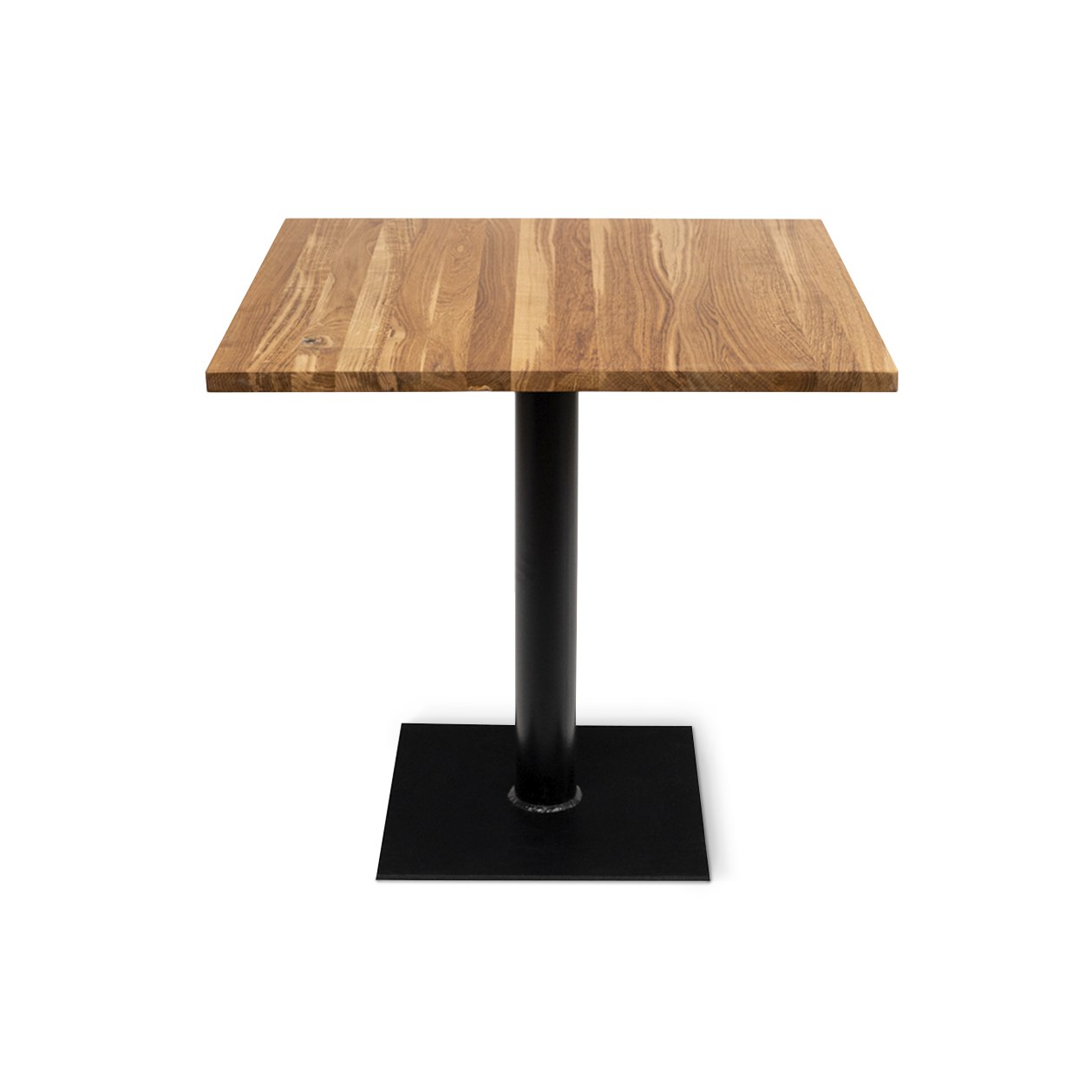
The finish applied to a solid wood dining table affects both its appearance and maintenance requirements. Natural oil finishes celebrate wood texture whilst requiring periodic renewal, whereas modern hardwax oils offer enhanced protection with similar aesthetics.
Natural Oil Finishes
Traditional oil finishes penetrate the wood fibres rather than forming a surface film, creating a warm, tactile finish that highlights grain and figure. These finishes require reapplication every 6-12 months depending on use intensity.
Advantages:
Beautiful, natural appearance and feel
Easy spot repairs without refinishing entire surface
Environmentally friendly with zero VOC options
Enhances wood character as it develops patina
Considerations:
Requires regular maintenance and re-oiling
Less resistant to water rings and staining
May show wear in high-contact areas
Lacquer and Varnish Options
Film-forming finishes create durable, protective barriers that resist moisture, heat, and staining more effectively than oils. Modern water-based lacquers offer low-VOC formulations with excellent clarity.
These finishes suit high-traffic environments like restaurants and commercial spaces where maintenance schedules may be less flexible. However, repairs typically require professional refinishing of larger areas.
Care and Maintenance Practices
Proper care ensures your solid wood dining table remains beautiful and functional for generations. Daily cleaning requires only simple practices, whilst periodic maintenance addresses finish wear and minor damage.
Daily and Weekly Cleaning
Use soft, lint-free cloths slightly dampened with water for routine cleaning. Avoid harsh chemicals, abrasive cleaners, and excessive moisture that can damage finishes or raise grain.
Recommended practices:
Wipe spills immediately to prevent staining
Use coasters and placemats for hot dishes and glasses
Dust with microfibre cloths in the direction of the grain
Avoid silicone-based polishes that can create buildup
Seasonal Maintenance and Protection
Wood responds to humidity changes by expanding in summer and contracting in winter. Maintaining stable indoor humidity between 40-60% minimizes movement and prevents cracking.
For oil-finished tables, apply fresh coats when water no longer beads on the surface. Clean thoroughly, allow to dry, apply oil liberally, let penetrate for 20-30 minutes, then buff excess completely.
Customisation and Made-to-Order Options
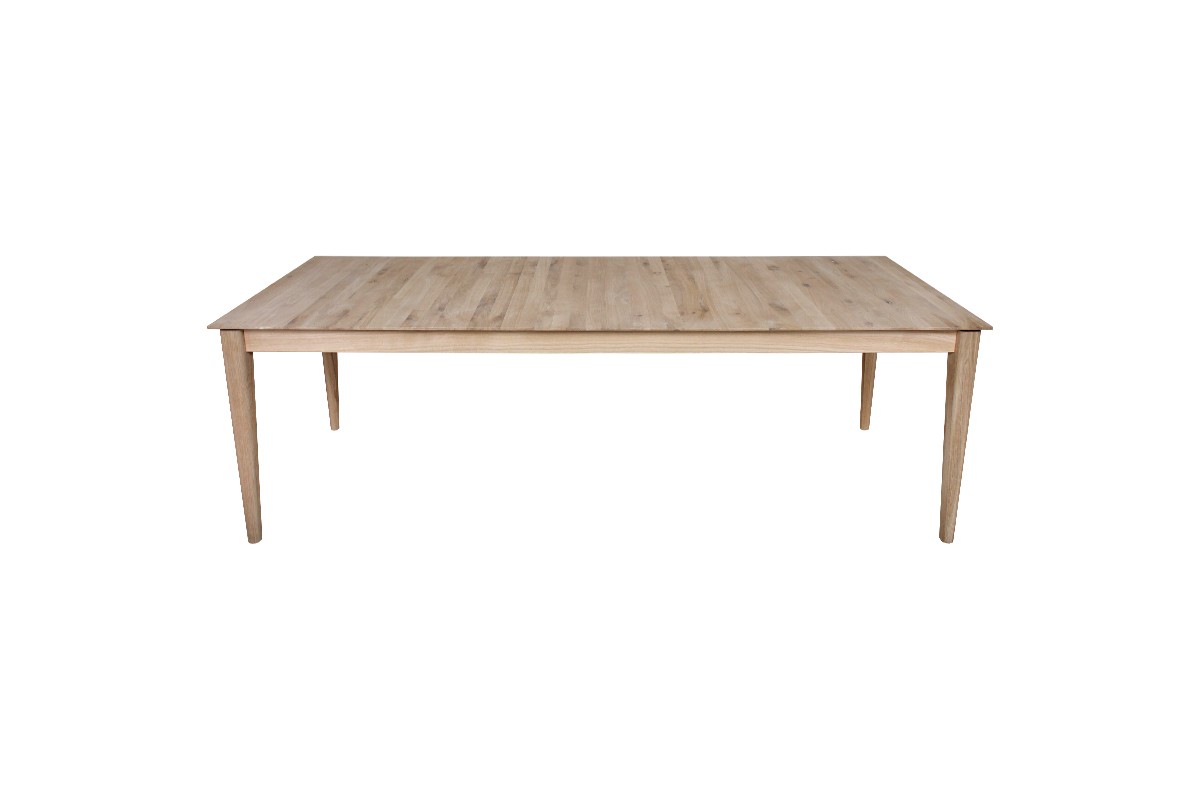
Standard sizes suit many spaces, but custom dimensions, finishes, and details ensure your solid wood dining table integrates perfectly with your specific requirements. Museliving dining tables combine Scandinavian design with bespoke sizing, allowing customers to specify exact dimensions, wood species, and finish treatments for truly personalised furniture.
Dimension Customisation
Made-to-order manufacturing accommodates unusual room shapes, specific seating requirements, and aesthetic preferences that standard production cannot address.
Common customisation requests include:
Non-standard widths for narrow or oversized spaces
Specific heights for wheelchair accessibility or comfort
Custom lengths matching existing room proportions
Thickness preferences affecting visual weight
Finish and Detail Options
Beyond dimensions, custom furniture allows selection of wood species, stain colours, edge profiles, leg styles, and hardware that align with interior design schemes.
Popular customisation elements:
Feature | Options | Design Impact |
|---|---|---|
Edge profile | Square, bevelled, rounded, live edge | Affects formality and safety |
Leg style | Straight, tapered, turned, trestle | Influences style and legroom |
Finish | Natural oil, hardwax, stain, smoked | Changes colour and protection level |
Wood species | Oak, walnut, ash, cherry | Impacts grain, colour, durability |
Commercial Applications and Contract Furniture
Restaurants, hotels, and office environments demand solid wood dining tables that withstand intensive use whilst maintaining aesthetic appeal. Contract-grade furniture incorporates reinforced construction and durable finishes exceeding residential standards.
Hospitality and Restaurant Requirements
Commercial dining environments subject tables to constant use, frequent cleaning, and occasional impacts that would damage lesser furniture. Quality manufacturers design contract pieces with heavier aprons, reinforced joints, and catalyzed finishes.
The Federal Register’s furniture safety standards discuss regulatory frameworks, though dining tables face fewer mandates than other furniture categories. Still, commercial buyers should verify compliance with relevant safety standards.
Commercial specifications typically include:
Reinforced metal brackets at critical joints
Thicker tabletops (35-50mm) resisting impact damage
Commercial-grade finishes with enhanced chemical resistance
Levelling feet compensating for uneven floors
Multi-Unit Projects and Consistency
Hotels and restaurant groups require identical replacements over years. Working with manufacturers who maintain consistent specifications and material sources ensures seamless additions to existing installations.
Considerations for multi-unit buyers:
Documented specifications for future reference
Material consistency across production batches
Replacement part availability for repairs
Lead time guarantees for project deadlines
Environmental Impact and Lifecycle Considerations
A solid wood dining table’s environmental footprint extends from forest to final disposal. Choosing sustainably sourced materials from regional suppliers, selecting durable construction that postpones replacement, and planning for eventual recycling or repurposing minimize ecological impact.
Carbon Footprint and Transport
Transportation emissions constitute a significant portion of furniture’s environmental impact. European buyers reducing transport distances by selecting European manufacturers substantially lower carbon footprints compared to intercontinental shipping.
Sustainability factors to evaluate:
Distance from forest to manufacturer
Manufacturing energy sources (renewable vs. fossil)
Finishing product VOC content and toxicity
Packaging materials and recyclability
Longevity and Circular Economy
Solid wood dining tables offer exceptional longevity compared to composite alternatives. Quality pieces routinely serve for 50+ years with basic maintenance, and even damaged examples can be refinished, repurposed, or recycled rather than landfilled.
The circular economy model positions durable furniture as sustainable precisely because replacement frequency decreases. Investing in quality reduces lifetime consumption even when initial costs exceed mass-produced alternatives.
Investment Value and Pricing Considerations
Solid wood dining tables command premium prices reflecting material costs, skilled labour, and manufacturing complexity. Understanding value beyond initial price helps buyers make informed decisions.
Price Ranges and Quality Indicators
Entry-level solid wood tables start around £400-600 for basic designs in common species, whilst premium handcrafted pieces with custom features and exotic woods exceed £3,000. Commercial contract furniture often commands higher prices due to enhanced construction.
Value assessment factors:
Timber species and grade selection
Joinery complexity and hand-fitting
Finish quality and application technique
Customisation options and flexibility
Manufacturer warranty and support
Long-Term Cost Comparison
Comparing solid wood against alternatives requires lifecycle analysis. A £1,200 solid wood dining table used for 40 years costs £30 annually, whilst a £300 particle-board table replaced every 8 years costs £37.50 annually plus disposal impacts.
Superior repairability further enhances solid wood economics. Minor damage requiring simple sanding and re-oiling costs minimal time and materials, whereas composite tables often become unsalvageable after similar damage.
Safety Standards and Regulatory Compliance
Though dining tables face fewer safety mandates than items like children’s furniture, quality manufacturers voluntarily exceed minimum requirements to ensure structural integrity and user safety.
Structural Stability Requirements
Tables must resist tipping when reasonable force is applied to edges or when users lean against them. Wide stance designs, proper weight distribution, and adequate base dimensions prevent accidents.
Testing protocols examine:
Tip resistance under various loading scenarios
Leg strength withstanding lateral and vertical forces
Surface load capacity supporting expected weights
Joint integrity after simulated years of use
Chemical Safety in Finishes
Finishes and adhesives must comply with VOC regulations and heavy-metal restrictions. Water-based products and natural oils meet increasingly stringent standards whilst traditional solvent-based finishes face growing restrictions.
European manufacturers adhere to REACH regulations limiting hazardous substances, ensuring finished furniture meets health and safety requirements for residential and commercial applications.
Styling and Interior Integration
Your solid wood dining table should harmonise with existing décor whilst establishing the room’s aesthetic foundation. Thoughtful styling enhances both functionality and visual appeal.
Coordinating with Other Furniture
Matching wood species and finishes across all furniture creates cohesive interiors, though deliberately contrasting woods can add visual interest when handled skilfully. Consider undertones (warm vs. cool) and grain scale when mixing species.
Coordination strategies:
Match wood tones between tables and cabinetry
Contrast dark tables with light seating or vice versa
Echo leg styles across different furniture pieces
Repeat finish treatments (oil, lacquer) throughout the space
Seating Selection and Arrangement
Chair selection dramatically affects dining area aesthetics and comfort. Mixing materials (upholstered seats with wood backs, metal frames with wood tables) creates contemporary contrast, whilst matching wood chairs offer traditional cohesion.
Bench seating along one side maximizes capacity in narrow spaces, whilst armchairs at table ends provide comfort for hosts. Consider clearance requirements ensuring chairs slide under the table when not in use.
Regional Design Traditions
European furniture traditions influence solid wood dining table design, with distinct characteristics emerging from different regions. Understanding these traditions helps buyers identify styles aligning with their aesthetic preferences.
Scandinavian Simplicity
Light-coloured woods, minimal ornamentation, and functional elegance characterize Nordic design. Scandinavian tables prioritize clean lines and honest materials, allowing wood’s natural beauty to dominate.
Continental European Craftsmanship
German and Austrian traditions emphasize precision engineering and meticulous finishing. These pieces often feature complex joinery displayed as decorative elements and substantial proportions conveying permanence.
British and French Heritage
English and French dining furniture historically embraced ornate carving, turned details, and formal proportions. Contemporary interpretations simplify these elements whilst retaining classical elegance.
Future Trends and Innovations
Solid wood furniture evolves alongside changing lifestyles and design preferences. Several trends are shaping dining table development in 2026 and beyond.
Modular and Adaptable Systems
Flexible furniture addressing changing needs gains popularity as homes accommodate hybrid work, multi-generational living, and variable entertaining requirements. Expandable tables, reconfigurable components, and multi-function designs maximize versatility.
Technology Integration
Discreet power outlets, wireless charging surfaces, and cable management solutions integrate technology without compromising traditional craftsmanship. These features particularly appeal to buyers using dining tables as workspaces.
Material Innovation
Experimental treatments like thermal modification, smoking, and sustainable stabilization processes create new aesthetic options whilst enhancing performance characteristics. These innovations expand design possibilities whilst maintaining solid wood authenticity.
Workshop Visit Considerations
Visiting manufacturers before purchase allows buyers to assess quality firsthand, understand production methods, and verify sustainability claims. This transparency builds confidence in significant investments.
Questions for Manufacturers
When evaluating potential suppliers, inquire about:
Wood sourcing locations and certification
Joinery methods and construction techniques
Finish products and application processes
Quality control procedures and inspections
Warranty coverage and after-sales support
Typical lead times for custom orders
Evaluating Craftsmanship
Examine sample pieces for tight joints, smooth finishes, consistent grain matching, and sturdy construction. Quality manufacturers welcome scrutiny and readily explain their processes.
Selecting the perfect solid wood dining table involves balancing aesthetic preferences, functional requirements, sustainability priorities, and budget considerations. This investment in quality craftsmanship delivers decades of service whilst supporting responsible forestry and skilled manufacturing. Whether you choose minimalist Scandinavian design or traditional European styles, prioritizing genuine solid wood construction ensures lasting beauty and exceptional durability. Museliving specializes in handcrafted solid wood furniture that combines Scandinavian design principles with premium FSC-certified materials, offering custom sizing and finishes across Europe to create dining tables perfectly suited to your unique space and lifestyle.