


An oak dining table represents far more than a functional piece of furniture-it serves as the heart of your home, a gathering place for family meals, celebrations, and meaningful conversations. With its exceptional durability, timeless appeal, and natural beauty, solid oak has remained a preferred material for dining furniture across generations. In 2026, as homeowners increasingly prioritize sustainability and quality craftsmanship, the oak dining table continues to stand out as an investment piece that combines aesthetic elegance with practical longevity.
The Enduring Appeal of Oak as a Material
Oak wood has been treasured for centuries due to its remarkable strength and distinctive grain patterns. The density of oak makes it highly resistant to wear, scratches, and everyday impacts, ensuring your dining table maintains its beauty for decades.
Natural Characteristics and Visual Appeal
The prominent grain patterns found in oak create unique visual interest that cannot be replicated by synthetic materials. Each table tells its own story through natural variations in colour and texture.
Deep, sweeping grain lines that add character and depth
Natural tannins that create warm, honey-toned hues
Medullary rays that produce a distinctive fleck pattern
Variations between heartwood and sapwood for visual diversity
These natural characteristics ensure that no two oak dining tables are identical, providing homeowners with a genuinely unique centrepiece for their dining space.
Durability and Long-Term Value
The structural integrity of oak makes it an exceptional choice for furniture that endures daily use. Unlike softwoods or composite materials, oak resists warping, splitting, and damage from moisture fluctuations.
Oak’s hardness rating on the Janka scale reaches approximately 1,120 pounds-force, placing it firmly in the category of hardwoods suitable for high-traffic furniture. This translates to a table surface that withstands the rigours of family life whilst maintaining its structural integrity.
Property | Oak Performance | Benefit |
|---|---|---|
Hardness | High (1,120 lbf) | Scratch and dent resistant |
Moisture Resistance | Excellent | Minimal warping or cracking |
Grain Stability | Very Good | Maintains shape over time |
Longevity | Exceptional | Generations of use |
Design Styles and Aesthetic Versatility
Modern oak dining tables seamlessly integrate into various interior design schemes, from traditional farmhouse aesthetics to contemporary Scandinavian minimalism. The natural warmth of oak provides a perfect foundation for diverse styling approaches.
Scandinavian-Inspired Oak Tables
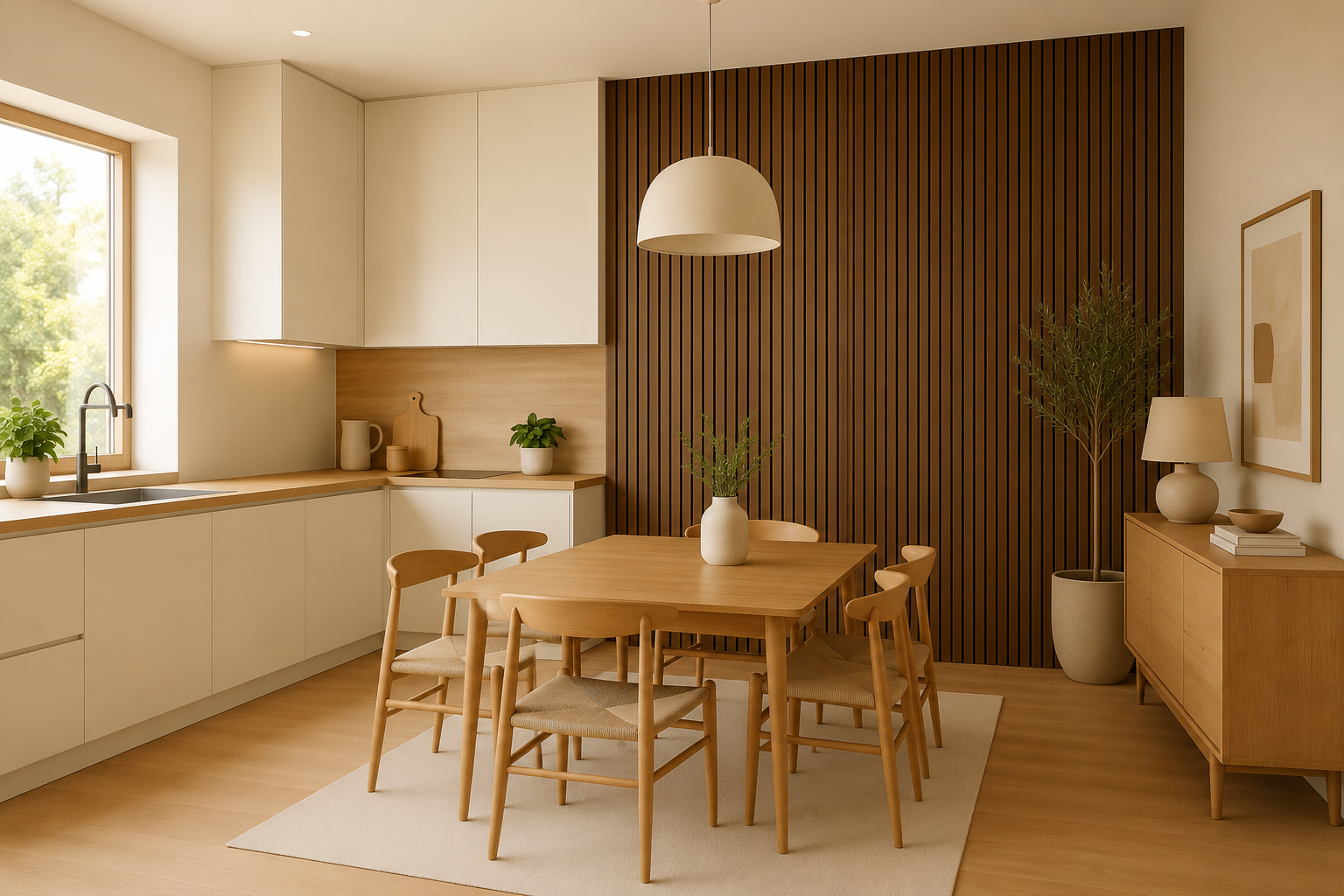
The Scandinavian design philosophy emphasizes clean lines, functional simplicity, and natural materials. An oak dining table designed in this style typically features tapered legs, smooth surfaces, and minimal ornamentation.
These pieces celebrate the inherent beauty of the wood itself, allowing the grain patterns and natural colour to take centre stage. The result is furniture that feels both modern and timeless, perfectly suited to today’s interiors.
Traditional and Farmhouse Designs
For those drawn to rustic charm, oak dining tables can incorporate traditional joinery techniques and robust proportions. Thick planks, visible dovetail joints, and substantial turned legs create a sense of heritage craftsmanship.
This style works exceptionally well in country homes, traditional kitchens, and spaces seeking to balance modern conveniences with classic aesthetics.
Contemporary and Industrial Interpretations
Contemporary designers have reimagined the oak dining table by pairing natural wood with industrial elements. Metal bases, geometric forms, and innovative finishing techniques create striking contrasts.
Mixed materials combining oak tops with steel frames
Live-edge designs that preserve the tree’s natural contours
Minimalist silhouettes with floating table tops
Geometric bases with angular metal supports
Sustainability and Environmental Considerations
In 2026, conscious consumers recognize that furniture choices carry environmental implications. Selecting an oak dining table from sustainably managed forests represents a responsible decision that supports forest health and biodiversity.
FSC Certification and Responsible Sourcing
Forest Stewardship Council (FSC) certification ensures that oak comes from responsibly managed forests where harvesting rates do not exceed growth rates. This certification system provides transparency throughout the supply chain.
When purchasing furniture made from FSC-certified materials, you support forestry practices that protect ecosystems, respect indigenous rights, and maintain forest health for future generations.
The Carbon Storage Advantage
Solid wood furniture functions as a carbon sink, storing carbon dioxide absorbed during the tree’s growth phase. An oak dining table effectively locks away carbon for the duration of its lifespan, which can span decades or even centuries.
This contrasts sharply with furniture manufactured from synthetic materials or metals, which typically require energy-intensive production processes that release significant carbon emissions.
Longevity Reduces Waste
The exceptional durability of an oak dining table means fewer replacements over time, directly reducing furniture waste. Whilst particleboard or veneer tables may require replacement every 5-10 years, a quality oak table can serve multiple generations.
Customization Options and Made-to-Order Benefits
The versatility of oak allows for extensive customization, enabling homeowners to create a dining table perfectly suited to their space and requirements. Made-to-order manufacturing ensures each piece meets specific dimensions and aesthetic preferences.
Size and Shape Variations
Dining tables must accommodate both your space constraints and seating requirements. Custom sizing ensures optimal fit and functionality.
Common shape options include:
Rectangular tables for traditional layouts and larger groups
Round tables that encourage conversation and suit smaller spaces
Oval designs combining space efficiency with generous seating
Square tables ideal for compact dining areas
Finish and Treatment Choices
Oak accepts various treatments that enhance its natural beauty whilst providing protection. The finish you select significantly impacts both appearance and maintenance requirements.
Finish Type | Appearance | Maintenance | Durability |
|---|---|---|---|
Natural Oil | Matte, warm | Regular oiling | Good |
Hard Wax Oil | Satin sheen | Moderate | Excellent |
Lacquer | High gloss | Minimal | Very Good |
Smoked Oak | Dark, dramatic | Moderate | Excellent |
Smoked oak, created through a process of exposing wood to ammonia fumes, produces rich, dark tones whilst maintaining the natural grain patterns. This treatment offers a sophisticated alternative to staining.
Extension Mechanisms and Modular Features
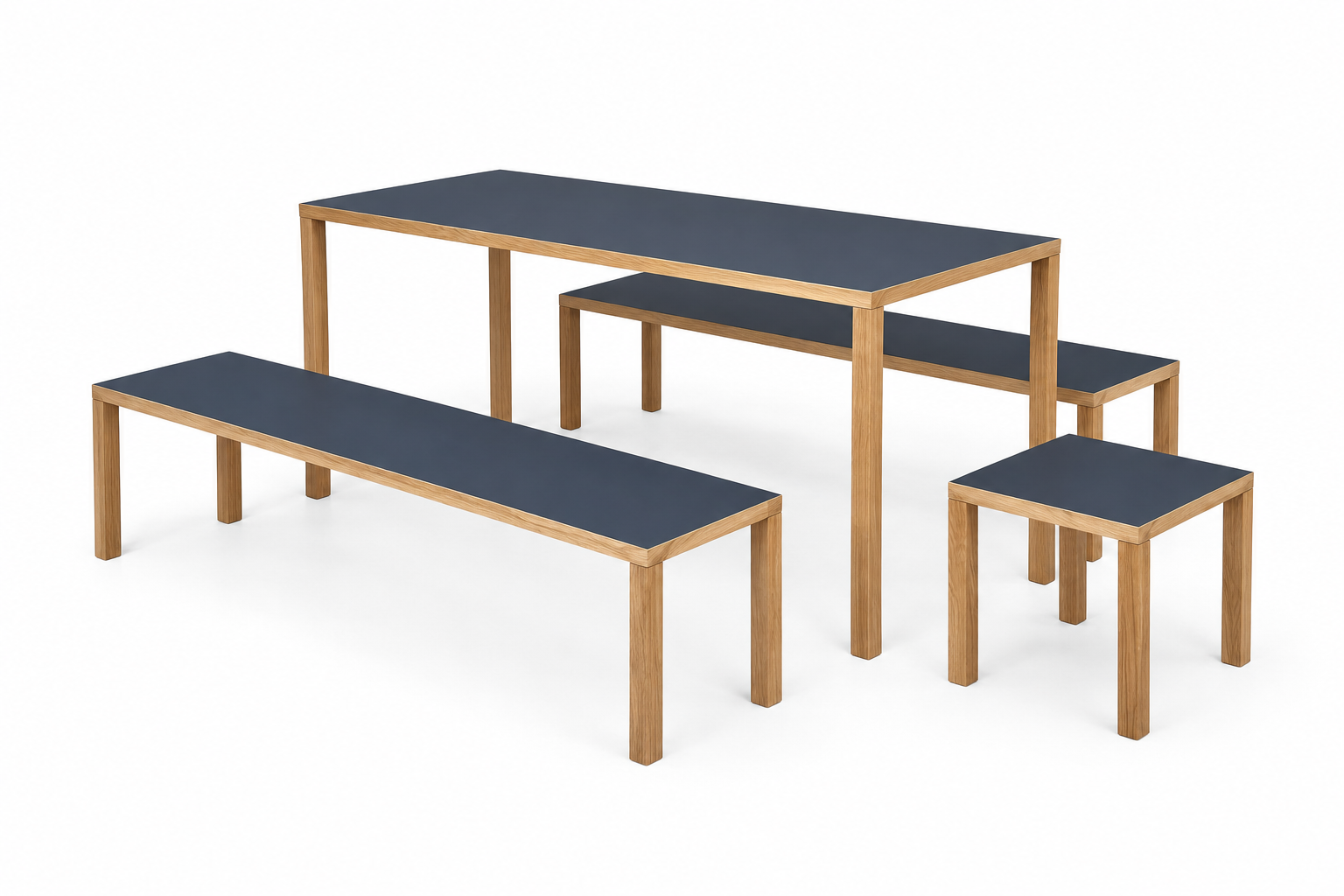
For homes that occasionally host larger gatherings, extension tables provide flexibility. Traditional leaf systems, butterfly mechanisms, and modern sliding extensions allow tables to adapt to changing needs.
Practical Considerations for Selecting Your Table
Choosing the right oak dining table requires careful consideration of multiple factors beyond aesthetic appeal. Practical elements ensure your investment serves you well for years to come.
Assessing Your Space Requirements
Before selecting a table, measure your dining area carefully. Allow at least 90-120 centimetres of space around the table perimeter for comfortable chair movement and circulation.
Consider ceiling height, natural light sources, and proximity to other furniture pieces. An oak dining table should complement your space rather than overwhelm it.
Determining Seating Capacity
Calculate your regular seating needs whilst accounting for occasional guests. As a general guideline, allow 60 centimetres of table width per person for comfortable dining.
A 180-centimetre rectangular table typically accommodates six people comfortably, whilst a 240-centimetre table seats eight to ten guests. Round tables maximize seating efficiency in compact spaces.
Understanding Construction Quality
Examine joinery techniques and construction methods, as these directly impact longevity. Quality indicators include:
Mortise and tenon joints rather than simple butt joints
Dovetail joinery in drawers or extension mechanisms
Solid wood throughout rather than veneered surfaces
Properly sealed undersides to prevent moisture absorption
The craftsmanship quality determines whether your table remains stable and beautiful throughout decades of use. Handcrafted furniture often demonstrates superior attention to detail compared to mass-produced alternatives.
Maintenance and Care for Longevity
Proper maintenance ensures your oak dining table retains its beauty and structural integrity throughout its lifetime. Fortunately, oak requires relatively straightforward care routines.
Daily and Weekly Care
Routine maintenance prevents the accumulation of damage and preserves the finish. Simple habits make significant differences over time.
Essential daily practices include:
Wiping spills immediately to prevent staining
Using coasters and placemats for hot dishes and glasses
Avoiding abrasive cleaners that damage the finish
Dusting with soft, lint-free cloths
Weekly cleaning with a slightly damp cloth removes accumulated dust and light soiling. Avoid excessive water, which can raise the grain or damage certain finishes.
Periodic Deep Maintenance
Depending on your chosen finish, oak tables benefit from periodic reconditioning. Oil-finished tables require reapplication every 6-12 months, whilst wax finishes need refreshing annually.
This maintenance enhances protection whilst deepening the wood’s natural lustre. The process is straightforward and significantly extends the table’s lifespan.
Addressing Minor Damage
Small scratches and dents are inevitable with regular use, but oak’s density means these rarely penetrate deeply. Minor surface scratches often disappear with appropriate treatment.
For oil-finished tables, gently sanding the affected area with fine-grit sandpaper followed by oil application usually resolves minor imperfections. Deeper damage may require professional restoration.
Styling Your Oak Dining Table
The neutral warmth of oak provides an excellent foundation for various styling approaches. Your table’s natural beauty can be enhanced through thoughtful accessory selection and seasonal updates.
Complementary Seating Choices
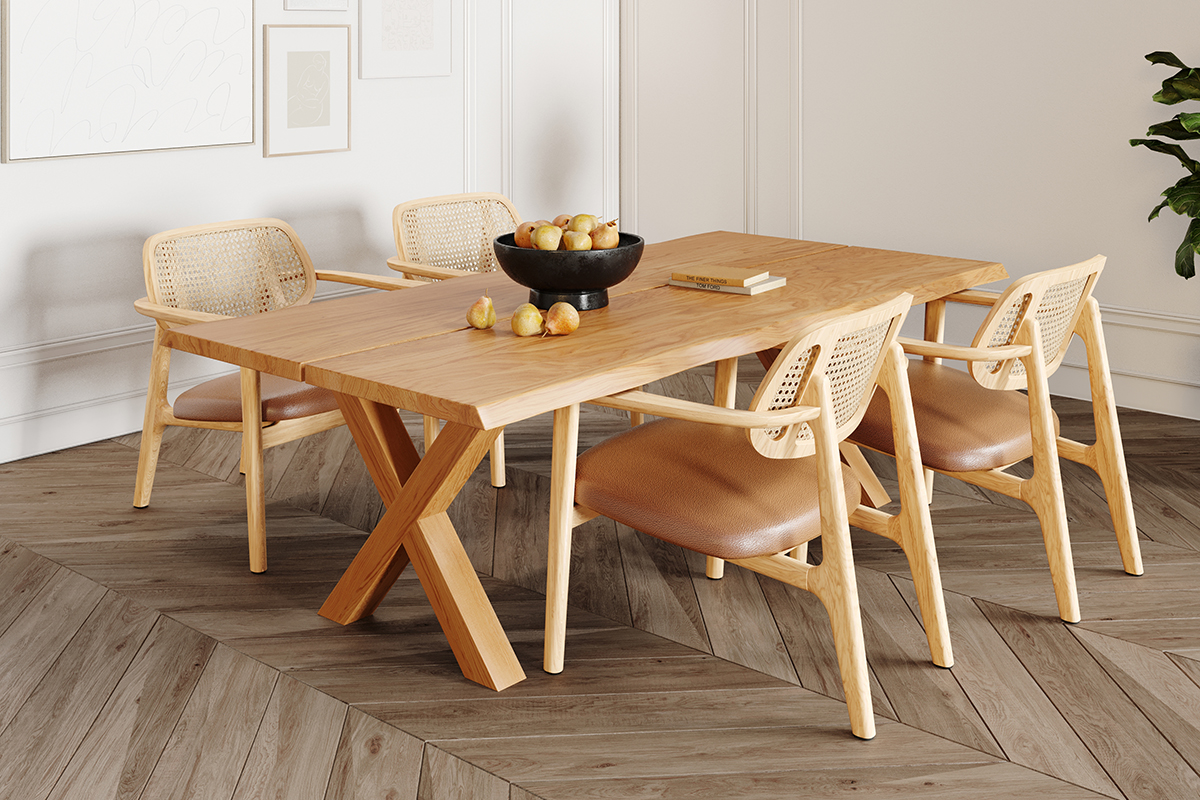
Chair selection significantly impacts your dining area’s overall aesthetic. Oak tables pair well with diverse seating styles, from upholstered chairs that add softness to matching wooden chairs that create cohesive unity.
Mixed seating arrangements-combining benches with chairs or incorporating different chair styles-create visual interest whilst maintaining harmony through material or colour coordination.
Lighting Considerations
Appropriate lighting transforms your oak dining table into a true focal point. Pendant lights suspended above the table create intimate ambiance whilst providing functional illumination.
Consider the scale relationship between your light fixture and table size. A fixture approximately two-thirds the table’s width typically achieves pleasing proportions.
Seasonal Décor and Table Settings
The timeless nature of oak allows for versatile seasonal styling. Natural materials like linen table runners, ceramic dinnerware, and fresh greenery complement the wood’s organic qualities.
Minimalist approaches celebrate the table’s inherent beauty, whilst more elaborate tablescapes can transform your oak dining table for special occasions. The wood’s neutral tones accommodate both restrained and dramatic styling choices.
Investment Value and Cost Considerations
An oak dining table represents a significant investment, but understanding the value proposition helps contextualize the initial expenditure. Quality furniture delivers returns through longevity, functionality, and aesthetic satisfaction.
Comparing Cost Versus Value
Whilst oak dining tables command higher prices than mass-produced alternatives, the cost-per-year calculation reveals their true value. A table serving your family for 30-50 years offers exceptional value compared to replacing cheaper furniture multiple times.
Additionally, quality oak furniture often appreciates in value, particularly vintage or antique pieces. Well-maintained tables can become family heirlooms passed through generations.
Factors Affecting Price Points
Several variables influence an oak dining table’s cost, helping explain price variations across different offerings.
Factor | Impact on Price | Consideration |
|---|---|---|
Size | Higher for larger tables | Match to actual needs |
Customization | Premium for bespoke features | Worth it for perfect fit |
Craftsmanship | Hand-built costs more | Superior quality and detail |
Wood Grade | Premium for select grain | Visual impact significant |
Origin | European oak often premium | Sustainability credentials |
Long-Term Economic Benefits
Beyond initial purchase price, consider ongoing costs. Oak tables require minimal maintenance investment compared to furniture needing regular repairs or replacements.
The durability and timeless design mean you avoid following short-lived trends that necessitate updates as styles change. This stability provides both financial and environmental benefits.
Commercial Applications and Versatility
Oak dining tables excel beyond residential settings, offering commercial establishments durability and aesthetic appeal. Restaurants, hotels, and corporate dining spaces benefit from oak’s resilience and professional appearance.
Restaurant and Hospitality Uses
Commercial dining environments demand furniture that withstands intensive daily use whilst maintaining presentable aesthetics. Oak’s hardness and resistance to wear make it ideal for high-traffic applications.
The material’s natural beauty creates welcoming atmospheres that enhance dining experiences. From casual bistros to fine dining establishments, oak tables adapt to various hospitality concepts.
Office and Corporate Settings
Modern workplaces increasingly incorporate hospitality-inspired spaces, including dining and collaboration areas. Oak tables provide professional elegance whilst supporting the durability requirements of commercial use.
Conference rooms and executive dining spaces particularly benefit from the gravitas and sophistication that quality oak furniture conveys.
Making Your Purchase Decision
Armed with comprehensive knowledge about oak dining tables, you can make an informed purchase decision aligned with your priorities, space, and budget. Several final considerations ensure complete satisfaction with your selection.
Questions to Ask Suppliers
Engage with manufacturers or retailers to understand exactly what you’re purchasing. Transparency regarding materials, construction, and sourcing indicates reputable suppliers.
Essential questions include:
What specific oak species is used (European oak, American white oak, etc.)?
Is the wood FSC-certified or from verified sustainable sources?
What construction methods and joinery techniques are employed?
What warranty or guarantee accompanies the table?
What finishing treatments have been applied?
Evaluating Manufacturer Credentials
Research the manufacturer’s reputation, production methods, and commitment to quality. Established furniture makers with transparent processes typically deliver superior products.
Consider whether the manufacturer offers customization options, allowing you to specify dimensions, finishes, and features perfectly suited to your requirements. Made-to-order production ensures your table meets exact specifications rather than forcing compromises.
For those seeking premium handcrafted furniture that combines Scandinavian design principles with sustainable practices, evaluating manufacturers who prioritize these values ensures alignment with your own priorities.
Understanding Delivery and Installation
Clarify logistics before purchase, particularly for large or custom pieces. Professional delivery and installation services protect your investment during transportation and ensure proper setup.
Enquire about packaging methods, insurance coverage, and assembly requirements. Quality manufacturers provide comprehensive support throughout the purchasing and delivery process.
Selecting an oak dining table represents an investment in quality, sustainability, and timeless design that enhances your home for decades. By considering material quality, craftsmanship, customization options, and long-term value, you can choose a table perfectly suited to your needs and aesthetic preferences. Museliving specializes in premium handcrafted solid wood furniture inspired by Scandinavian design, offering made-to-order oak dining tables crafted from FSC-certified materials. Explore how our commitment to sustainable production, exceptional craftsmanship, and customizable options can help you create the perfect centrepiece for your dining space.