


Wine collectors and interior design enthusiasts increasingly recognise that traditional wine storage solutions often fail to adapt to changing collections and evolving spatial requirements. A modular wine rack addresses this challenge by offering flexible, expandable storage that grows with your collection whilst maintaining aesthetic coherence and structural integrity. This approach to wine storage combines Scandinavian minimalism with practical functionality, allowing homeowners, restaurateurs, and hospitality professionals to create bespoke storage solutions that seamlessly integrate into any interior whilst protecting valuable bottles under optimal conditions.
Understanding Modular Wine Storage Systems
A modular wine rack operates on the principle of scalable design, where individual units or components connect to form larger configurations. Unlike fixed installations, these systems permit continuous expansion, reconfiguration, and relocation as storage needs evolve.
Core Design Principles
The modular furniture design philosophy emphasises versatility and innovation in contemporary interiors. When applied to wine storage, modularity delivers several distinct advantages:
- Scalability: Add units incrementally as collections grow
- Reconfiguration: Rearrange components to suit new spaces
- Customisation: Tailor dimensions, materials, and finishes
- Future-proofing: Adapt storage to changing interior layouts
Premium modular systems constructed from solid oak, smoked oak, pine, or burnt pine combine structural durability with timeless aesthetics. FSC-certified materials ensure sustainability whilst delivering the natural warmth and character that synthetic alternatives cannot replicate.
Material Selection and Durability
Solid wood construction provides superior longevity compared to engineered alternatives, particularly when supporting the considerable weight of wine collections. A well-crafted modular wine rack manufactured from premium hardwoods can support hundreds of bottles whilst maintaining structural integrity for decades.
| Material | Weight Capacity | Durability | Aesthetic Characteristics |
|---|---|---|---|
| Oak | Excellent | 50+ years | Light grain, versatile finish |
| Smoked Oak | Excellent | 50+ years | Rich depth, sophisticated tone |
| Pine | Very Good | 30-40 years | Natural warmth, lighter weight |
| Burnt Pine | Very Good | 30-40 years | Distinctive character, artisan finish |
Different wood species offer varying aesthetic and practical benefits. Oak delivers exceptional strength-to-weight ratios, making it ideal for floor-standing configurations. Pine provides a lighter alternative suitable for wall-mounted applications whilst maintaining adequate load-bearing capacity.
Designing Modular Wine Storage for Different Spaces
Spatial constraints and aesthetic requirements vary dramatically between residential cellars, restaurant dining areas, hotel lobbies, and commercial wine retail environments. A thoughtfully designed modular wine rack system accommodates these diverse contexts through flexible configuration options.
Residential Applications
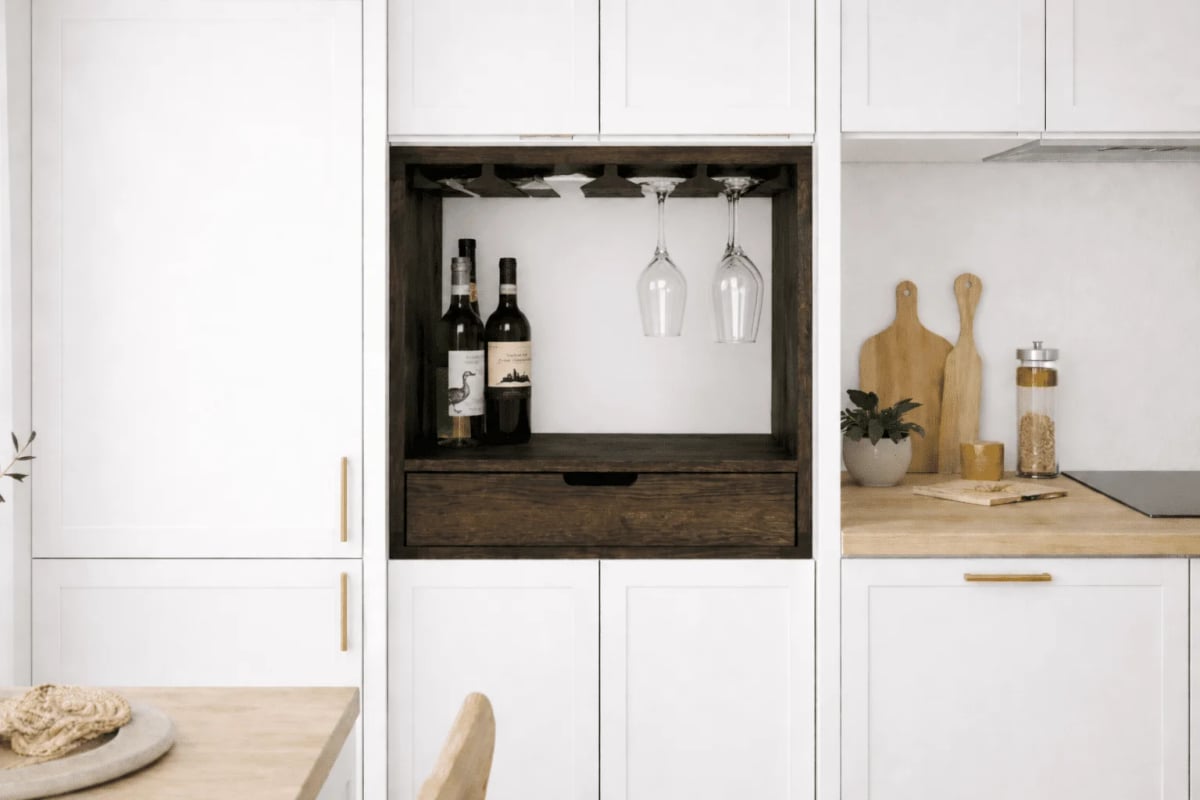
Home wine collectors typically require storage solutions that integrate harmoniously with existing interior design whilst accommodating collections ranging from dozens to hundreds of bottles. Corner configurations maximise often-underutilised space, whilst freestanding units create visual focal points in dining rooms or kitchen areas.
Wall-mounted modular systems work exceptionally well in apartments or homes with limited floor space. These installations reduce spatial footprint whilst maintaining accessibility and visual impact. When properly secured to load-bearing walls, they safely support substantial bottle quantities without compromising interior aesthetics.
Consider these residential layout strategies:
- Kitchen integration: Position modules near serving areas for convenient access during meals
- Dining room feature: Create statement walls with symmetric configurations
- Cellar maximisation: Utilise floor-to-ceiling modular columns to optimise vertical space
- Under-stair solutions: Custom-configure units to fit challenging architectural spaces
Commercial and Hospitality Environments
Restaurants, hotels, and wine bars demand storage solutions that balance functional efficiency with brand presentation. A modular wine rack enables establishments to showcase bottle selections whilst maintaining organised inventory management.
Restaurant applications benefit from configurations that permit staff access from multiple angles whilst creating visual drama visible to diners. The architectural flexibility of modular storage allows integration into open kitchens, bar areas, and private dining rooms without compromising workflow efficiency.
Hotels and hospitality venues often require larger-scale installations spanning entire walls or creating room partitions. Premium handcrafted solutions manufactured from consistent material batches ensure visual uniformity across extensive installations whilst permitting phased expansion as wine programmes develop.
Storage Capacity and Configuration Planning
Calculating required storage capacity involves assessing current collection size, anticipated growth, and bottle format diversity. Standard Bordeaux bottles measure approximately 7.5 cm in diameter, whilst Burgundy and Champagne formats require additional clearance.
Calculating Your Storage Requirements
A typical modular wine rack unit accommodates 12-24 bottles depending on configuration. Multi-tier systems exponentially increase capacity within the same floor footprint. For example, a five-tier freestanding unit occupying one square metre can store 60-120 bottles depending on compartment size and spacing.
Commercial environments require more sophisticated capacity planning. A restaurant maintaining 200-300 labels might require storage for 500-1,000 bottles to ensure adequate vintage depth and variety. Modular systems permit staged expansion aligned with programme development and budget availability.
Standard configuration options include:
- Single-width columns: 12-15 bottles per metre of height
- Double-width units: 24-30 bottles per metre of height
- Corner configurations: Optimised capacity in L-shaped spaces
- Base storage: Low-profile units for heavy formats or reserve bottles
Optimising Vertical and Horizontal Space
Vertical configurations maximise storage density in constrained footprints whilst maintaining accessibility. However, bottle retrieval from heights exceeding two metres requires step assistance, which may prove impractical in residential settings or busy commercial environments.
Horizontal expansion suits spaces with generous floor area but limited ceiling height. These configurations facilitate browsing and selection whilst reducing physical strain during bottle retrieval. Many collectors combine vertical and horizontal elements to balance capacity optimisation with ergonomic access.
Proper Wine Storage Conditions and Rack Design
Wine preservation requires consistent environmental conditions regardless of storage system design. The International Organisation of Vine and Wine recommends specific temperature and humidity ranges for optimal bottle storage, typically 10-15°C with 60-70% relative humidity.
Temperature and Humidity Considerations
A modular wine rack constructed from solid wood naturally moderates humidity fluctuations through its hygroscopic properties. Wood absorbs and releases moisture in response to ambient conditions, creating microclimate stability that benefits long-term wine storage.
Position racks away from heat sources, direct sunlight, and high-traffic areas where temperature fluctuations and vibration may compromise wine quality. Basement locations typically provide superior environmental stability compared to above-ground rooms, though modern HVAC systems can maintain appropriate conditions in dedicated wine rooms.
Horizontal Storage and Sediment Management
Proper bottle orientation keeps corks moist, preventing oxidation through seal degradation. Horizontal storage positions the wine in constant contact with the cork, maintaining its elasticity and sealing properties over years or decades.
Aged wines developing sediment benefit from undisturbed horizontal storage. A well-designed modular wine rack minimises vibration transfer whilst permitting gentle bottle rotation when decanting becomes necessary. Solid wood construction naturally dampens vibrations compared to metal alternatives, contributing to superior long-term storage conditions.
Sustainable Manufacturing and Material Sourcing
Environmental consciousness increasingly influences furniture purchasing decisions. FSC certification guarantees that wood originates from responsibly managed forests where harvesting rates do not exceed regeneration capacity and biodiversity receives active protection.
Premium European manufacturers source materials from regional forests, reducing transportation emissions whilst supporting local forestry economies. A modular wine rack crafted from certified European oak typically carries a significantly lower carbon footprint than alternatives shipped from distant continents or manufactured from synthetic materials derived from petroleum products.
Lifecycle Durability and Waste Reduction
Sustainable furniture extends beyond initial material sourcing to encompass product longevity and end-of-life considerations. Solid wood construction enables repairs, refinishing, and modifications that extend usable lifespan to 50 years or beyond. When eventually retired, natural wood returns to the ecosystem without releasing persistent pollutants.
Made-to-order manufacturing eliminates speculative inventory production and associated waste. Each piece receives individual attention from skilled craftspeople who ensure dimensional accuracy and finish quality before delivery. This approach contrasts sharply with mass production methods that generate significant material waste through standardisation and defect rejection.
Installation Methods and Structural Requirements
Successful modular wine rack installation requires appropriate wall anchoring, floor levelling, and weight distribution consideration. Freestanding units demand stable, level floors to prevent stress concentration that might compromise structural integrity over time.
Wall-Mounted Systems
Wall-mounted configurations transfer bottle weight directly to structural elements. Installations must anchor into solid masonry, concrete, or wall studs capable of supporting distributed loads. A fully loaded wall-mounted unit storing 100 bottles exerts approximately 150 kg of force, demanding robust fixings and adequate load distribution.
Professional installation ensures proper anchoring depth, fixing spacing, and levelling accuracy. Even minor deviations from horizontal alignment can create progressive stress accumulation leading to eventual failure. Most premium manufacturers provide detailed installation specifications and recommend professional fitting for larger configurations.
Freestanding Stability
Freestanding modular wine rack systems require careful attention to centre-of-gravity positioning and base dimensions. Tall, narrow configurations may benefit from wall tethering to prevent toppling, particularly in households with young children or earthquake-prone regions.
Base units wider than they are tall provide inherent stability without additional anchoring. However, modular systems permitting vertical expansion may transition from stable to unstable as height increases. Manufacturers typically specify maximum safe heights for unsecured installations and recommend stabilisation methods for taller configurations.
Customisation Options and Personal Expression
Premium modular wine rack systems offer extensive customisation enabling alignment with diverse aesthetic preferences and functional requirements. Beyond basic dimensional adjustments, options include wood species selection, finish treatments, compartment sizing, and accessory integration.
Finish Treatments and Aesthetic Variations
Natural wood finishes preserve and enhance inherent grain patterns and colour variations. Oil treatments penetrate wood fibres, providing moisture resistance whilst maintaining natural appearance and tactile qualities. These finishes require periodic reapplication but enable easy repair of minor surface damage.
Smoked finishes deliver rich, sophisticated tones through controlled thermal treatment that permanently alters wood colour throughout its depth. Unlike surface stains, smoked finishes cannot wear away, ensuring colour consistency throughout the product's lifetime.
Popular finish options include:
- Natural oak: Light, versatile, complements diverse interiors
- Oak oil: Enhanced grain definition with subtle sheen
- Smoked oak: Sophisticated depth, luxury aesthetic
- Burnt pine: Artisan character, distinctive texture
Compartment Configuration
Standard compartments accommodate Bordeaux bottles comfortably, but collectors maintaining Burgundy, Champagne, or half-bottle formats benefit from customised sizing. Some modular systems incorporate adjustable dividers permitting configuration changes without structural modifications.
Display shelving for labels, decanters, or glassware adds functional versatility whilst creating visual interest. These elements transform purely utilitarian storage into curated wine libraries that reflect personal taste and collecting philosophy.
Maintenance and Long-term Care
Solid wood furniture requires minimal maintenance whilst delivering exceptional longevity. Regular dusting prevents particulate accumulation that might scratch finishes during bottle insertion and removal. Occasional treatment with appropriate wood oil maintains moisture balance and surface protection.
Preventing Common Issues
Temperature fluctuations can cause wood expansion and contraction. Position racks away from radiators, air conditioning vents, and exterior walls experiencing seasonal temperature variations. Stable environments minimise dimensional changes that might affect compartment sizing or structural alignment.
Direct sunlight degrades wood finishes and can raise localised temperatures affecting wine quality. Position installations away from south-facing windows or install UV-filtering window treatments in wine rooms receiving significant natural light.
Cleaning protocols should avoid harsh chemicals or excessive moisture. Slightly damp cloths remove wine drips or dust accumulation without saturating wood fibres. Immediate attention to spills prevents staining or finish damage.
Refinishing and Restoration
Natural wood permits refinishing that restores original appearance after years of use. Light sanding removes surface wear, whilst fresh oil applications rejuvenate colour depth and protection. This capability extends practical lifespan far beyond synthetic alternatives that cannot be refinished once surface damage occurs.
Professional restoration services can address more significant wear or damage, including compartment repairs, structural reinforcement, or complete refinishing. A well-maintained modular wine rack manufactured from premium materials can serve multiple generations, developing character and patina that enhance rather than diminish aesthetic appeal.
Integration with Smart Home Technology
Contemporary wine storage increasingly incorporates technology monitoring environmental conditions and inventory management. Whilst modular wine rack systems remain fundamentally mechanical, they can integrate sensors and monitoring equipment supporting optimal storage conditions.
Environmental Monitoring
Temperature and humidity sensors positioned within storage areas transmit real-time data to smartphone applications, alerting collectors to concerning deviations. These systems prove particularly valuable in homes lacking dedicated climate control or during seasonal transitions when conditions fluctuate significantly.
Some advanced installations incorporate automated humidification or cooling systems responding to sensor feedback. However, such complexity typically suits serious collectors maintaining valuable vintages rather than casual enthusiasts storing everyday drinking wines.
Inventory Management
Digital cataloguing systems track bottle locations, purchase dates, optimal drinking windows, and tasting notes. Whilst not integrated into rack structures themselves, these applications enhance collection management and help prevent premature consumption or forgotten bottles deteriorating past their prime.
Commercial-scale Installations and Project Planning
Large hospitality projects require careful planning addressing capacity requirements, spatial constraints, aesthetic integration, and budget parameters. Professional design consultation ensures configurations meet functional needs whilst creating compelling visual statements.
Restaurant and Hotel Applications
Wine programmes supporting extensive by-the-glass offerings or rare vintage collections demand storage balancing accessibility with preservation. Front-of-house display installations showcase selection whilst back-of-house reserves maintain optimal conditions for valuable inventory.
Modular systems permit phased expansion aligned with programme development and revenue growth. Initial installations might accommodate 200-300 bottles, with planned expansion to 500-1,000 bottles as wine sales establish themselves as profit centres. This approach reduces initial capital requirements whilst ensuring coherent aesthetic expansion.
Retail Environments
Wine merchants and specialty retailers balance storage functionality with merchandising impact. A thoughtfully configured modular wine rack creates browsing-friendly product displays whilst maintaining inventory organisation and accessibility.
Temperature-controlled retail environments extending throughout store areas eliminate the need for separate storage rooms, reducing staff movement and improving customer service efficiency. However, such approaches require significant HVAC investment to maintain consistent conditions in spaces with frequent door openings and customer traffic.
DIY Assembly Versus Professional Installation
Simple modular configurations suit competent DIY enthusiasts comfortable with basic tools and assembly processes. Manufacturers typically provide detailed instructions, component labelling, and customer support facilitating successful self-installation. Step-by-step guidance from reliable sources helps home improvers tackle wine storage projects with confidence.
When to Engage Professionals
Complex installations involving wall mounting, custom configurations, or integration with architectural elements benefit from professional expertise. Installers ensure proper anchoring, levelling, and finish protection whilst completing projects efficiently without trial-and-error delays.
Large commercial projects invariably require professional project management coordinating delivery, installation, and final styling. These services ensure installations meet specifications whilst minimising disruption to business operations during implementation.
Cost Considerations and Value Assessment
Premium modular wine rack systems represent significant investments compared to mass-produced alternatives. However, superior materials, craftsmanship, and longevity deliver compelling lifecycle value that budget options cannot match.
Price Factors
Several variables influence pricing:
- Material quality: FSC-certified hardwoods command premium pricing
- Manufacturing method: Handcrafted pieces cost more than machine production
- Customisation level: Bespoke sizing and finishes increase costs
- Capacity: Larger configurations require proportionally more materials
- Finish complexity: Smoking or specialised treatments add processing time
Made-to-order manufacturing eliminates distributor margins and inventory carrying costs that inflate retail pricing for mass-produced furniture. Direct-from-manufacturer purchasing often delivers superior value despite premium positioning.
Calculating Lifecycle Value
A quality modular wine rack lasting 50 years costs significantly less annually than budget alternatives requiring replacement every 5-10 years. Factor in superior storage conditions protecting wine investments, and premium systems deliver compelling economic returns beyond their aesthetic and functional benefits.
Sustainability considerations increasingly influence purchasing decisions. Products manufactured from responsibly sourced materials by European craftspeople support ethical supply chains whilst delivering environmental benefits that cheap imports cannot match. For many buyers, these intangible values justify price premiums even before considering practical performance advantages.
A modular wine rack offers unmatched flexibility, sustainability, and aesthetic refinement for wine storage across residential and commercial applications. By selecting premium materials, planning configurations thoughtfully, and maintaining optimal storage conditions, collectors and hospitality professionals create wine libraries that protect valuable bottles whilst enhancing interior design. Museliving specialises in handcrafted modular wine storage systems manufactured from FSC-certified European hardwoods, combining Scandinavian design principles with practical functionality. Every piece is made to order with meticulous attention to detail, offering custom sizes, finishes, and configurations delivered across Europe. Explore our collection to discover how premium craftsmanship and sustainable materials create wine storage solutions that serve generations whilst adapting seamlessly to evolving collections and spaces.