


Selecting the right wine rack is more than an aesthetic decision; it's an investment in preserving your collection's quality and value. Whether you're building a dedicated cellar, outfitting a restaurant, or simply organizing a modest home collection, understanding the key rules for choosing a wine rack will ensure your bottles age gracefully whilst complementing your interior design. The right storage solution balances functional requirements with material quality, spatial constraints, and long-term durability.
Understanding Your Storage Requirements
Before exploring specific designs or materials, assess your collection's current size and projected growth. Many collectors underestimate their needs, purchasing a rack that becomes inadequate within months. Consider not just the number of bottles you currently own, but your acquisition habits over the next two to three years.
Calculating Capacity and Future Expansion
Start by counting your existing bottles, then add a buffer of 30 to 50 percent for future purchases. This approach prevents the frustration of immediately outgrowing your storage solution.
- Small collections (12-36 bottles): Countertop or wall-mounted racks
- Medium collections (36-120 bottles): Freestanding modular systems
- Large collections (120+ bottles): Custom cellar installations or expandable modular units
- Commercial applications: Calculate based on turnover rates and display requirements
Modular systems offer exceptional flexibility, allowing you to add sections as your collection grows rather than replacing the entire unit. This adaptability makes them particularly valuable for restaurants, hotels, and serious collectors who anticipate significant expansion.
| Collection Size | Recommended Rack Type | Typical Footprint | Expandability |
|---|---|---|---|
| 12-24 bottles | Countertop/tabletop | 30-45 cm width | Limited |
| 36-72 bottles | Single freestanding unit | 60-90 cm width | Moderate |
| 72-200 bottles | Modular wall system | 120-240 cm width | High |
| 200+ bottles | Custom cellar installation | Entire room/wall | Very high |
Material Selection and Durability
The material you choose directly impacts both longevity and your wine's storage environment. Amongst the key rules for choosing a wine rack, material selection ranks as one of the most critical decisions affecting both performance and aesthetics.
Solid Wood: The Premium Standard
Solid wood remains the gold standard for wine storage, offering natural humidity regulation, structural integrity, and timeless appeal. Oak, pine, and other hardwoods provide excellent stability whilst developing a beautiful patina over time. FSC-certified wood ensures sustainable sourcing without compromising quality.
Wood naturally absorbs and releases moisture, helping maintain stable humidity levels around your bottles. This characteristic proves particularly valuable in spaces without climate control, where the rack itself contributes to environmental stability. Solid wood construction also eliminates the off-gassing concerns associated with composite materials or metal coatings that might affect wine quality over extended storage periods.
Smoked oak and burnt finishes add character whilst enhancing wood's natural antimicrobial properties. These treatments create surfaces that resist mold and mildew better than untreated alternatives, an important consideration in humid cellar environments.
Metal racks offer modern aesthetics and space efficiency but require careful material selection. Powder-coated steel or stainless steel prevents rust and corrosion, essential in higher-humidity environments. However, metal conducts temperature more readily than wood, potentially creating micro-climate variations that affect bottles touching metal surfaces directly.
Environmental Factors and Placement
Where you position your rack matters as much as the rack itself. According to authoritative wine storage guidance, bottles should rest in stable environments away from vibration, direct light, and temperature fluctuations.
Temperature and Humidity Considerations
The ideal wine storage temperature ranges between 10°C and 15°C, with minimal daily or seasonal variation. Research on storage conditions demonstrates that temperature stability matters more than achieving a perfect absolute temperature. A consistently maintained 16°C environment outperforms one oscillating between 12°C and 14°C.
Humidity levels between 60 and 70 percent prevent cork drying whilst discouraging mold growth. In particularly dry climates, wood racks help moderate moisture levels naturally. For climate-controlled cellars, building science principles for wine storage recommend proper vapor barriers and insulation to maintain these parameters efficiently.
Avoid these problematic locations:
- Near heating vents, radiators, or boilers
- Against exterior walls subject to seasonal temperature swings
- In direct sunlight from windows or skylights
- Above refrigerators or other heat-generating appliances
- In laundry rooms or areas with significant vibration
Design Configuration and Bottle Orientation
One of the fundamental key rules for choosing a wine rack involves understanding how bottle orientation affects wine preservation. Horizontal storage keeps corks moist, preventing oxidation and maintaining proper seals. This traditional approach suits long-term aging and most wine types.
Horizontal Versus Alternative Orientations
Horizontal racks remain the standard for good reason. The wine maintains constant cork contact, preventing drying and subsequent air infiltration. Most collections benefit from this configuration, particularly for wines intended for aging beyond two years.
Angled or tilted racks offer improved label visibility whilst maintaining cork contact. These work well in commercial settings where customers need to browse selections quickly. The slight tilt (typically 5 to 15 degrees) keeps sediment settled whilst displaying labels effectively.
Vertical storage suits short-term holding only, appropriate for wines consumed within weeks. Some modern racks incorporate vertical slots for current-drinking bottles whilst reserving horizontal sections for aging wines.
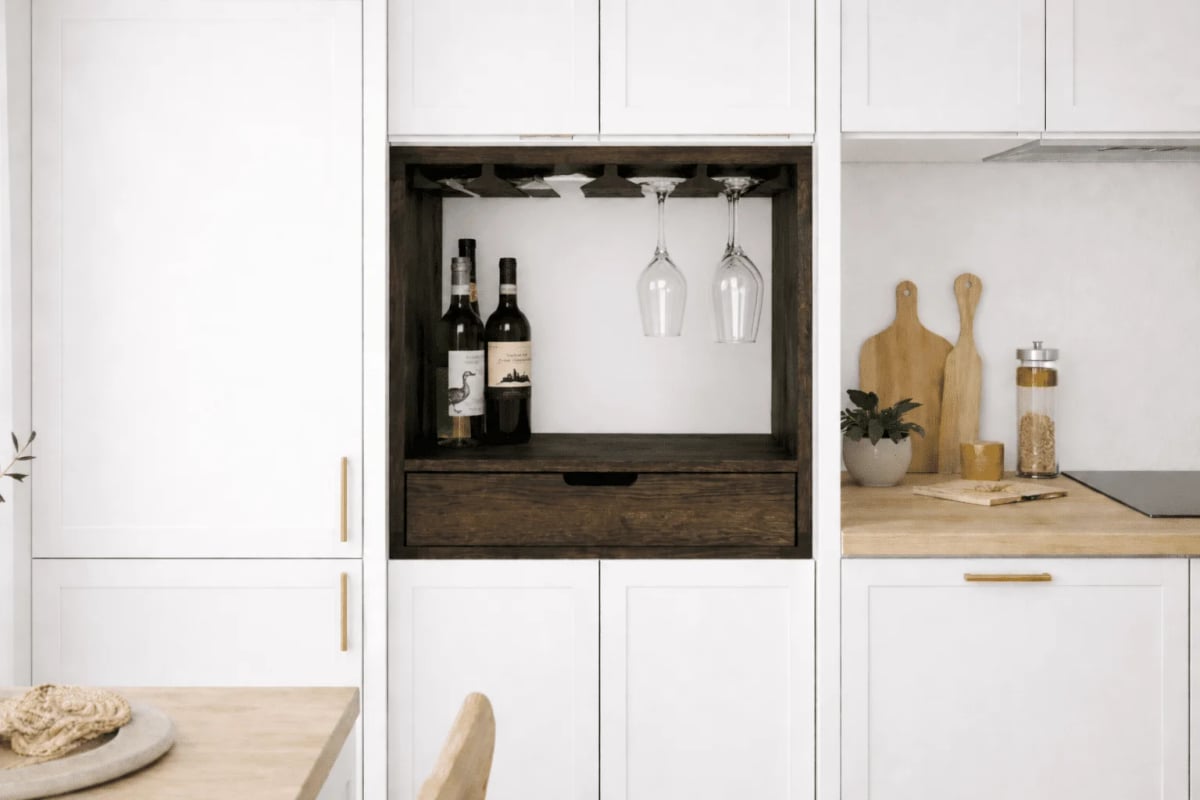
When designing premium wine storage that combines functionality with Scandinavian aesthetics, handcrafted wine racks from solid oak or pine deliver both practical bottle orientation and timeless visual appeal. These modular systems allow you to configure horizontal, angled, and display sections according to your specific collection needs.
Accessibility and Organization Systems
Efficient wine retrieval depends on thoughtful organization. The best racks facilitate easy access whilst protecting bottles from unnecessary handling or disturbance.
Indexing and Inventory Management
Consider how you'll track your collection. Larger collections benefit from racks designed with clear indexing systems, either through numbered sections or logical zoning by region, varietal, or vintage.
Depth matters significantly. Single-depth racks allow access to any bottle without moving others, ideal for collections you'll browse frequently. Double-depth configurations maximize space efficiency but require removing front bottles to reach those behind, suitable for long-term storage where bottles remain undisturbed for years.
Individual bottle slots provide maximum stability and organization, preventing bottles from touching and making inventory easier. Bulk storage sections accommodate cases or multiple bottles of the same wine efficiently, appropriate for restaurants or serious collectors purchasing by the case.
| Rack Depth | Bottles per Row | Access Type | Best Application |
|---|---|---|---|
| Single (one bottle) | 1 | Direct access | Active collections, daily use |
| Double (two bottles) | 2 | Requires moving front row | Long-term aging, archives |
| Triple (three bottles) | 3 | Requires moving two rows | Bulk storage, commercial |
Structural Integrity and Load-Bearing Capacity
Wine weighs considerably more than many realize. A standard 750ml bottle weighs approximately 1.2 to 1.5 kilograms; a 100-bottle rack must support 120 to 150 kilograms plus the structure's own weight.
Weight Distribution and Anchoring
Among the essential key rules for choosing a wine rack is verifying load-bearing capacity matches your intended use. Freestanding units require broad, stable bases to prevent tipping, particularly important in homes with children or pets. Wall-mounted racks demand proper anchoring into studs or masonry, not just plasterboard.
Quality construction features include:
- Reinforced joints using dowels, mortise-and-tenon, or metal brackets
- Thick solid wood (minimum 18-20mm for structural elements)
- Cross-bracing in taller units to prevent racking or twisting
- Leveling feet to compensate for uneven floors
- Anti-tip brackets for freestanding units exceeding 120cm height
Commercial installations in restaurants or hotels face additional considerations. Technical standards for wine storage equipment address safety and performance requirements that commercial operations should reference when specifying storage solutions.
Aesthetic Integration with Interior Design
Your wine rack exists within a broader interior context. Matching design language ensures the storage solution enhances rather than disrupts your space's visual harmony.
Scandinavian Minimalism and Natural Materials
Clean lines, natural materials, and functional simplicity characterize Scandinavian design philosophy. This aesthetic approach suits wine storage particularly well, as it prioritizes both beauty and utility without unnecessary ornamentation.
Natural wood finishes complement virtually any interior palette whilst aging gracefully. Unlike painted or lacquered surfaces that show wear, solid wood develops character over time. Oak's prominent grain adds textural interest in minimalist spaces, whilst smoked or burnt finishes create dramatic focal points without sacrificing the material's inherent warmth.
Consider the rack's visual weight relative to surrounding furniture. In compact spaces, wall-mounted units maintain floor space whilst providing adequate storage. Freestanding racks can serve as room dividers, particularly in open-plan layouts where they define zones without completely blocking sightlines.
Finish consistency across furniture pieces creates cohesion. If your dining table, bookshelves, or other furnishings feature oak finishes, selecting a complementary wine rack unifies the interior. For commercial spaces like restaurants, matching wine storage to existing joinery and furniture elevates the entire aesthetic whilst demonstrating attention to detail.
Customization and Modular Flexibility
The ability to adapt storage to your specific needs represents one of the most valuable key rules for choosing a wine rack. Custom dimensions ensure optimal space utilization, particularly in awkward alcoves, under stairs, or in purpose-built cellars.
Tailoring Solutions to Unique Spaces
Standard rack dimensions rarely maximize unusual spaces. Custom manufacturing allows precise fitting to your available area, eliminating wasted gaps and ensuring the rack appears architecturally integrated rather than merely furniture placed against a wall.
Modular systems offer middle-ground flexibility between fully custom and off-the-shelf solutions. Individual modules in standard sizes can be combined in numerous configurations, then easily expanded or reconfigured as needs change. This approach proves particularly valuable for:
- Growing collections that will expand over several years
- Rental properties where you might relocate the storage system
- Commercial operations adjusting to changing inventory
- Homes undergoing phased renovations
Consider configuring modules vertically in some areas for maximum bottle capacity whilst using horizontal arrangements elsewhere to maintain accessibility at comfortable heights. This mixed approach optimizes both storage density and ergonomics.
Sustainability and Long-Term Value
Investing in quality wine storage means considering environmental impact and longevity. Among the key rules for choosing a wine rack, sustainability increasingly influences purchasing decisions as consumers recognize furniture's environmental footprint.
Responsible Material Sourcing
FSC certification guarantees wood originates from responsibly managed forests where biodiversity, local communities, and workers' rights receive protection. This certification provides verifiable assurance beyond mere marketing claims about sustainability.
Locally manufactured furniture reduces transportation emissions whilst supporting regional craftsmanship. European production, for instance, allows shorter supply chains when serving European markets compared to importing from distant continents.
Durability represents the ultimate sustainability metric. A well-constructed solid wood rack lasting several decades eliminates the waste and resource consumption of replacing cheaper alternatives every few years. Calculate total cost of ownership across the rack's expected lifespan rather than merely comparing initial purchase prices.
Quality joinery and repairable construction extend usable life. Unlike composite materials or glued assemblies that fail catastrophically, solid wood racks can be refinished, tightened, or modified to address wear or changing needs. This repairability adds both environmental and economic value.
Commercial Applications and Specialized Requirements
Restaurants, hotels, and wine retail establishments face unique storage challenges beyond residential needs. These environments demand solutions balancing aesthetics, accessibility, and practical service requirements.
Display Versus Bulk Storage
Commercial spaces typically require two distinct storage types: customer-facing display racks showcasing selections, and back-of-house bulk storage for inventory. Display racks emphasize label visibility, often incorporating lighting and angled shelving to facilitate browsing. According to international wine handling standards, proper storage conditions remain essential regardless of display requirements.
Restaurant wine walls create dramatic focal points whilst demonstrating collection depth. These installations require careful planning to ensure bottles remain accessible to service staff without disrupting diners. Temperature and humidity control becomes more challenging in dining areas where HVAC systems prioritize customer comfort over ideal wine storage parameters.
Hotels often install racks in multiple locations: lobby displays, restaurant storage, and room service holding areas. Consistency in design across these locations reinforces brand identity whilst meeting different functional requirements at each location.
Safety and Security Considerations
Protecting your investment involves both physical security and safety measures preventing accidents or damage.
Securing Valuable Collections
Wine theft and accidental breakage represent real risks, particularly for valuable collections. Simple security measures include:
- Lockable sections for rare or expensive bottles
- Inventory systems tracking bottle locations and values
- Insurance appropriate to collection value
- Access control in commercial settings limiting who can retrieve bottles
Earthquake-prone regions require additional securing measures. Flexible restraints across rack fronts prevent bottles from ejecting during seismic events without impeding normal access. Some systems incorporate automatic locking mechanisms triggered by vibration sensors.
For homes with young children, ensure freestanding racks cannot be climbed or tipped. Wall-mounted systems eliminate this risk whilst often providing better use of vertical space.
Technical Specifications and Measurements
Precise dimensions determine whether a rack fits your space and accommodates your bottles. Standard wine bottles measure approximately 30cm tall and 7.5cm diameter, but variations exist.
Accommodating Bottle Variations
Champagne, Burgundy, and German Riesling bottles deviate from standard Bordeaux dimensions. If your collection includes these formats, verify that rack openings accommodate larger diameters and heights. Adjustable or oversized slots provide flexibility for mixed collections.
Minimum spacing between bottles prevents contact that could disturb sediment or damage labels. Quality racks provide 1.5 to 2cm clearance around each bottle, whilst budget options often pack bottles more tightly, increasing handling difficulty and damage risk.
Depth requirements vary based on bottle orientation and accessibility needs. Plan for:
- 32-35cm depth for horizontal single-bottle storage
- 60-65cm depth for double-deep configurations
- 40-45cm depth for angled display racks
Remember to account for door clearances, walkway space, and service access when planning rack placement. ASHRAE guidance on wine storage environments recommends maintaining adequate air circulation around racks, requiring clearance from walls and other storage units.
Installation and Assembly Considerations
Even the finest rack provides limited value if installation proves problematic. Understanding assembly requirements before purchase prevents frustration and ensures proper installation.
Professional Versus DIY Installation
Simple countertop or small freestanding racks typically require no installation beyond unpacking. Larger modular systems and wall-mounted units demand more involved setup.
Wall-mounted installations absolutely require locating studs or using appropriate masonry anchors. The combined weight of rack plus bottles creates substantial loads that plasterboard alone cannot support. Professional installation ensures proper anchoring and leveling, particularly for custom installations exceeding basic DIY capabilities.
Modular systems should assemble without requiring specialized tools. Quality designs use simple mechanical connections allowing reconfiguration without damage. Avoid systems relying heavily on adhesives or permanent fastenings that prevent future modifications.
Delivery logistics matter for larger pieces. Verify that your entry doors, stairwells, and corridors accommodate the rack dimensions, or confirm that the unit can be assembled in place from smaller components. Custom European manufacturers often provide detailed specifications allowing you to plan delivery routes before ordering.
Maintenance and Long-Term Care
Proper maintenance preserves both function and appearance across decades of use. Wood racks require different care than metal alternatives, though neither demands excessive attention.
Preserving Natural Wood Finishes
Solid wood benefits from occasional treatment with appropriate oils or waxes, depending on the original finish. Oiled surfaces typically require reapplication annually to maintain moisture resistance and appearance. Waxed finishes need buffing every few years.
Clean wood racks using slightly damp cloths rather than wet cleaning that might raise grain or damage finishes. Address spills immediately to prevent staining, particularly important for light-coloured woods like natural oak or pine.
Metal components require inspection for rust or corrosion, especially in humid cellar environments. Touch up any compromised powder coating promptly to prevent deterioration spreading. Stainless steel elements generally require only occasional cleaning to maintain appearance.
Structural inspections every few years ensure joints remain tight and load-bearing elements show no signs of stress or damage. Tighten any loose fastenings and verify that wall-mounted units remain securely anchored as buildings settle over time.
Budget Allocation and Investment Planning
Among the practical key rules for choosing a wine rack, establishing an appropriate budget balances quality with affordability. Wine storage represents a long-term investment protecting bottles often worth considerably more than the rack itself.
Cost-Benefit Analysis
Budget racks constructed from composite materials or thin metals may cost 30 to 50 percent less than solid wood alternatives initially. However, their shorter lifespan and inferior storage conditions often make them false economies. Calculate cost per year of expected service rather than merely comparing purchase prices.
Premium solid wood racks from European manufacturers typically range from £50 to £150 per dozen bottles of capacity, depending on customization, finish quality, and design complexity. This investment delivers decades of service whilst maintaining or increasing aesthetic and functional value.
Custom installations command higher prices but optimize space utilization and integrate seamlessly with architectural features. For wine cellars or significant collections, this additional investment prevents the regret of settling for an inadequate compromise solution.
Consider total system cost including installation, climate control requirements, and accessories like labels, locks, or lighting. The rack represents one component within a complete storage environment.
Adaptability to Changing Collections
Your wine interests and collection focus may evolve over time. The key rules for choosing a wine rack should account for this natural progression, selecting solutions that accommodate changing needs rather than locking you into rigid configurations.
Future-Proofing Your Investment
Modular systems excel at adapting to collection changes. As you shift from predominantly red wines to including more whites and champagnes, or as you develop interest in specific regions requiring different storage approaches, modular racks can be reconfigured without starting over.
Expandable designs allow adding capacity in manageable increments rather than requiring complete replacement when collections grow. This approach spreads investment across time whilst preventing the waste of discarding functional storage simply because it lacks capacity.
Consider whether your storage solution can relocate if you move house or renovate. Freestanding modular units offer portability that built-in installations cannot match, an important consideration if your current residence represents a temporary rather than permanent situation.
The finest rack balances immediate requirements against reasonable future projections. Explore options through comprehensive product catalogues that demonstrate the full range of configurations and customization possibilities before committing to specific designs.
Selecting wine storage that protects your collection whilst enhancing your interior requires attention to materials, capacity, environment, and long-term value. Whether building a residential cellar or outfitting commercial space, these fundamental principles guide you toward solutions that serve both practical and aesthetic objectives. Museliving combines Scandinavian design principles with sustainable craftsmanship to create modular wine storage systems tailored to your precise requirements, delivering handcrafted solid wood furniture across Europe that ages as gracefully as the wines it protects.