


Building a carefully curated wine collection transforms the simple pleasure of enjoying wine into a rewarding, long-term pursuit that combines passion, knowledge, and strategic planning. Whether you’re starting with a dozen bottles or planning a substantial cellar, understanding the key rules for building a wine collection ensures your investment appreciates properly, your bottles age gracefully, and your enjoyment grows over time. This comprehensive guide explores the fundamental principles that seasoned collectors and sommeliers follow when assembling a collection that balances personal taste, investment potential, and practical storage considerations.
Define Your Collection Goals and Budget
Before purchasing a single bottle, successful collectors establish clear objectives and financial boundaries. Your collection should reflect your personal drinking preferences, lifestyle, and budget rather than chasing prestigious labels that don’t align with your tastes.
Establish Your Collecting Philosophy
Ask yourself fundamental questions about why you’re building a collection. Are you focusing primarily on wines for personal consumption, investment appreciation, or a combination of both? Understanding your primary motivation shapes every subsequent decision, from bottle selection to storage investment.
Key considerations include:
Drinking timeline: Will you consume most bottles within five years, or are you planning a 20-year cellar?
Budget allocation: How much can you invest monthly or annually without financial strain?
Space availability: Do you have dedicated storage, or will you need external solutions?
Focus or diversity: Will you specialise in specific regions or build a broad collection?
The most successful collectors establish a realistic budget and adhere to it consistently. Setting aside a fixed amount each month allows steady growth without impacting other financial priorities. Many experts recommend starting modestly and scaling up as your knowledge and appreciation develop.
Balance Immediate Enjoyment with Future Maturation
One of the key rules for building a wine collection is maintaining balance between ready-to-drink bottles and those requiring cellaring time. A well-structured collection includes wines across various maturity stages, ensuring you always have appropriate bottles for immediate consumption whilst others develop complexity over years.
Collection Category | Percentage | Purpose |
|---|---|---|
Ready to drink | 30-40% | Immediate enjoyment, experimentation |
Mid-term (2-5 years) | 40-50% | Regular special occasions, developing wines |
Long-term (5+ years) | 20-30% | Investment, milestone celebrations, serious ageing |
This distribution prevents the frustration of having only young, tannic wines when you want to open a bottle tonight, whilst ensuring you’re building value and complexity for future enjoyment.
Prioritise Proper Storage Conditions
The environment where you store your collection directly impacts wine quality and longevity. Improper storage can ruin even the finest bottles within months, making this one of the most critical key rules for building a wine collection.
Control Temperature and Humidity
Wine requires stable conditions to age gracefully. The Court of Master Sommeliers recommends maintaining cellars between 10-15°C with relative humidity around 70%. Temperature fluctuations cause wine to expand and contract, potentially compromising cork seals and accelerating oxidation.
Critical environmental factors:
Consistent temperature (12-13°C is ideal for long-term storage)
Humidity levels between 60-75% to prevent cork drying
Darkness to protect wine from UV damage
Minimal vibration to avoid disturbing sediment and molecular structure
Proper ventilation to prevent musty odours affecting corks
The Wine & Spirit Education Trust provides detailed guidance on how temperature affects wine storage and serving, emphasising that consistency matters more than reaching a perfect number. A steady 15°C is preferable to fluctuations between 10-14°C.
Invest in Quality Storage Infrastructure
Your storage solution should match your collection’s size and value. Small collections may thrive in temperature-controlled wine fridges, whilst serious collectors require dedicated cellar spaces or professional storage facilities.
When selecting storage furniture, prioritise stability, material quality, and modularity. Premium handcrafted wine racks from solid wood offer both functional storage and aesthetic appeal, combining Scandinavian design principles with practical bottle capacity. Modular systems allow expansion as your collection grows without requiring complete replacement.
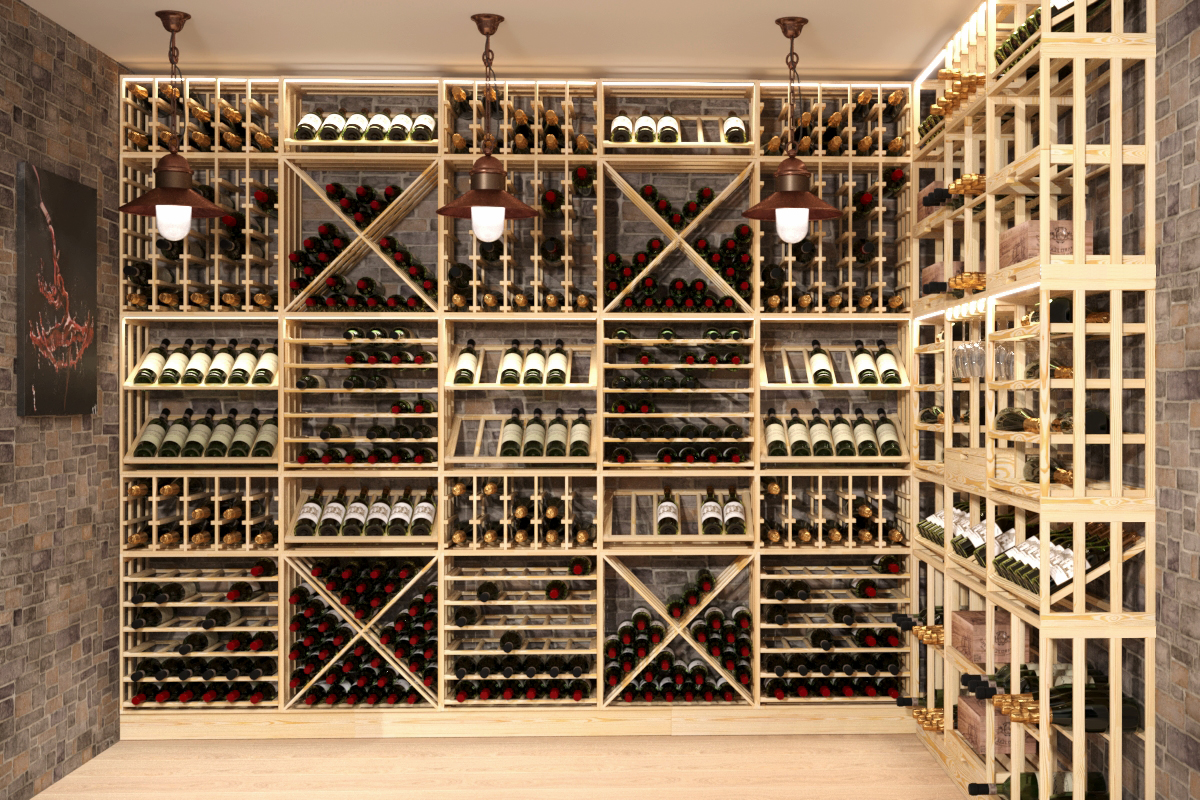
The Vigilant wine cellar design guide outlines comprehensive planning considerations, from insulation requirements to cooling system specifications, helping collectors create optimal storage environments whether converting a basement or installing a custom-built cellar.
Buy What You Love, Then Explore Strategically
Personal taste should anchor your collection. One of the essential key rules for building a wine collection is to focus on wines you genuinely enjoy drinking rather than accumulating bottles based solely on critical acclaim or investment potential.
Start with Familiar Regions and Expand Gradually
Begin by purchasing wines from regions and varieties you already know and appreciate. This foundation provides confidence and enjoyment whilst you develop your palate and knowledge. Once comfortable, systematically explore adjacent regions, alternative producers, and complementary styles.
Strategic expansion approach:
If you love Burgundy Pinot Noir, explore Oregon, New Zealand, or German Spätburgunder
Bordeaux enthusiasts might investigate Super Tuscans or premium Napa Cabernet blends
Champagne lovers can discover quality sparkling wines from England, Franciacorta, or Tasmania
This methodology builds expertise organically whilst maintaining collection coherence. You’ll develop comparative tasting skills and recognise quality markers across different terroirs and winemaking philosophies.
Diversify Across Price Points and Styles
Avoid concentrating exclusively on expensive bottles. Well-made wines exist at every price level, and diversity enhances both education and enjoyment. A balanced collection includes everyday wines (under £20), special occasion bottles (£20-50), and investment-grade selections (£50+).
Price Category | Purpose | Typical Cellaring |
|---|---|---|
£10-20 | Weeknight enjoyment, experimentation | Drink within 1-2 years |
£20-50 | Dinner parties, quality exploration | 2-5 years potential |
£50-100 | Special celebrations, serious tasting | 5-10 years |
£100+ | Investment, milestone events | 10+ years |
This structure ensures you have appropriate bottles for any occasion without hesitation about opening something “too special” for a casual Tuesday evening.
Document Everything Meticulously
Comprehensive record-keeping distinguishes serious collectors from casual enthusiasts. Among the key rules for building a wine collection, documentation serves multiple crucial functions: tracking inventory, recording tasting impressions, establishing provenance, and supporting insurance claims if necessary.
Maintain Detailed Purchase Records
Every bottle entering your collection deserves documentation. Record the purchase date, supplier, price paid, storage location, and expected drinking window. This information becomes invaluable when deciding which bottles to open, planning future purchases, or assessing collection value.
Essential documentation includes:
Producer, vintage, and appellation details
Purchase price and date
Supplier or merchant name
Quantity acquired
Cellar location or reference number
Optimal drinking window (based on producer guidance or expert reviews)
Digital tools like CellarTracker streamline this process, offering inventory management, community tasting notes, and valuation tracking in a single platform. The database contains millions of wines and provides drinking window suggestions based on collective community experience.
Preserve Provenance and Consider Insurance
For valuable collections, provenance documentation protects your investment. Retain original receipts, auction lot certificates, and any correspondence with merchants or producers. This paper trail verifies authenticity and storage history, critical factors affecting resale value.
Collections exceeding £5,000 warrant specialised insurance coverage. Chubb’s guidance on insuring wine collections outlines coverage considerations including professional valuation, storage requirements, and policy types designed specifically for fine wine. Standard homeowner’s insurance rarely provides adequate protection for serious collections.
Understand Ageing Potential and Drinking Windows
Not all wines improve with age. One of the most important key rules for building a wine collection is recognising which bottles benefit from cellaring and which should be consumed young. This knowledge prevents disappointing experiences and maximises your investment.
Research Producer Recommendations and Vintage Quality
Winemakers typically provide cellaring guidance for their releases. The Lambert Bridge 2025 Vintage Cellaring Guide exemplifies how producers communicate ageing potential and optimal drinking windows for specific vintages. Consulting these resources before purchasing prevents costly mistakes.
Wines generally suitable for extended cellaring:
Structured red Bordeaux, Barolo, and premium Cabernet Sauvignon
Grand Cru Burgundy (both red and white)
Vintage Port and quality fortified wines
Premier and Grand Cru Champagne
Age-worthy Riesling and premium white Burgundy
Rioja Gran Reserva and traditional Brunello di Montalcino
Conversely, most rosé, simple Beaujolais, aromatic whites like Albariño, and entry-level wines from any region should be consumed within two years of release. Understanding these distinctions prevents cellar space being wasted on wines past their prime.
Monitor and Rotate Your Collection
Regular cellar reviews ensure bottles are consumed at optimal maturity. Schedule quarterly or semi-annual assessments, checking which wines are approaching their drinking windows and adjusting your purchasing accordingly. This practice, central to the key rules for building a wine collection, prevents accumulation of over-aged bottles.
Consider adopting a “replacement purchasing” strategy: when you drink a bottle, purchase two similar wines to maintain collection growth whilst ensuring steady turnover. This approach balances consumption with expansion, preventing stagnation.
Build Relationships with Reputable Merchants
Trusted wine merchants provide invaluable guidance, access to limited allocations, and quality assurance. Developing these relationships ranks among the key rules for building a wine collection, particularly as you progress beyond readily available commercial releases.
Choose Specialists Who Match Your Interests
Different merchants excel in different areas. Some specialise in Burgundy, others in natural wines, Italian classics, or emerging regions. Identify specialists whose expertise aligns with your collection focus and preferences.
Quality merchants offer personalised recommendations, notify you about special releases, and provide educational resources including tastings and producer visits. These services justify any price premium compared to discount retailers, particularly when purchasing investment-grade wines where provenance and storage history matter significantly.
Verify Authentication and Storage History
When purchasing mature wines or expensive bottles, authentication and storage provenance are paramount. Reputable merchants provide detailed storage history and authenticity guarantees, protecting you from counterfeit bottles that plague the fine wine market.
Ask specific questions about source, previous ownership, and storage conditions. Legitimate sellers welcome these enquiries and provide transparent answers. If a merchant seems evasive about provenance, consider that a significant warning sign.
Plan for Collection Growth and Space Management
As your collection expands, space management becomes increasingly important. Forward planning prevents the common problem of running out of storage capacity just as you’re finding wonderful wines to cellar.
Design Modular and Expandable Storage Systems
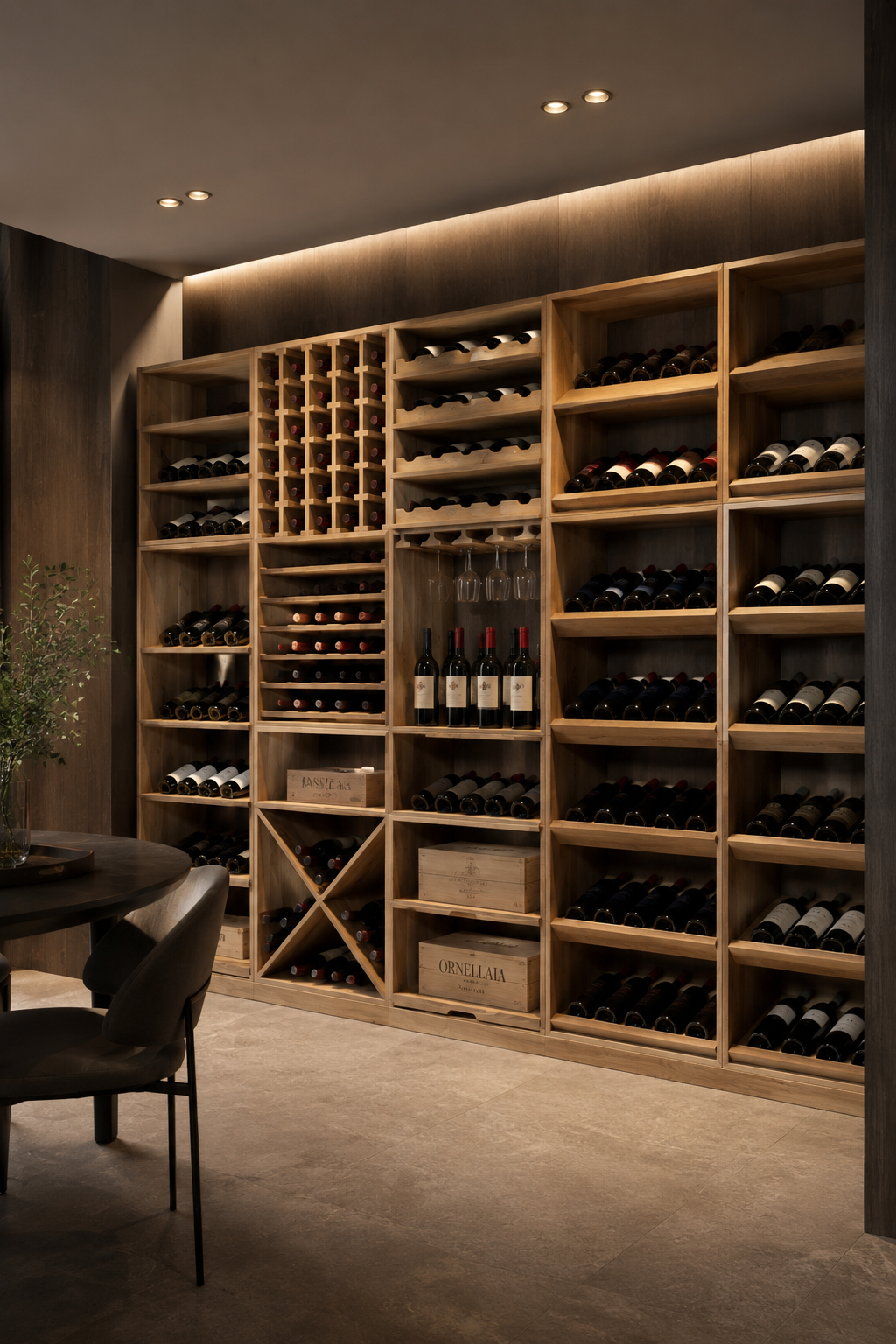
Modular storage solutions accommodate growth without requiring complete replacement. When selecting wine storage furniture, prioritise systems that can be expanded vertically or horizontally as your collection develops.
Advantages of modular systems:
Add capacity incrementally as needed
Maintain design consistency throughout cellar expansion
Reduce waste by avoiding replacement of functioning units
Flexibility to reconfigure based on changing collection composition
Quality craftsmanship in storage furniture also matters. Solid wood construction from sustainable materials like FSC-certified oak or pine ensures stability for heavy bottles whilst contributing to interior aesthetics. Your cellar should be both functional and visually appealing, enhancing the overall wine collecting experience.
Anticipate Future Needs
When planning storage, consider where your collection might be in five or ten years. If you currently have 100 bottles but are purchasing 50 annually whilst consuming 20, simple mathematics shows you’ll need capacity for 350 bottles within five years. Installing adequate infrastructure initially saves costly modifications later.
Develop Your Palate Through Comparative Tasting
Education enhances appreciation and informs better purchasing decisions. Systematic tasting, especially comparative evaluation, accelerates palate development and helps identify personal preferences.
Organise Themed Tasting Sessions
Structure tastings around specific themes to develop analytical skills. Compare wines from the same region but different producers, identical varieties from various terroirs, or single producer across multiple vintages.
Effective tasting themes include:
Vertical tastings (same wine, different vintages)
Horizontal tastings (same vintage, different producers)
Varietal comparisons (Cabernet Sauvignon from five countries)
Old World versus New World expressions
Blind tastings to remove bias
Document your impressions systematically, noting appearance, aroma, palate characteristics, and overall assessment. Over time, these notes reveal pattern preferences and help identify the styles most worth collecting for your personal enjoyment.
Join Tasting Groups and Educational Programmes
Collaborative tasting with other enthusiasts provides diverse perspectives and shares the cost of expensive bottles. Many cities host wine clubs where members contribute bottles and knowledge, creating rich learning environments.
Formal education through programmes offered by WSET or similar organisations provides structured knowledge development. Even introductory courses dramatically improve your ability to assess quality, identify faults, and make informed purchasing decisions-all critical skills within the key rules for building a wine collection.
Consider Investment Potential Alongside Enjoyment
For collectors interested in wine as an asset class, understanding market dynamics and investment-grade wines adds another dimension to collection building. However, investment should complement rather than replace drinking enjoyment.
Identify Investment-Grade Wines
Certain wines consistently appreciate in value due to limited production, critical acclaim, and strong collector demand. First-growth Bordeaux, top-tier Burgundy, cult California Cabernets, and vintage Port lead this category.
Characteristics of investment-grade wines:
Established provenance and authentication
Perfect storage conditions throughout life
Original wooden cases (for Bordeaux particularly)
Highly-rated vintages from prestigious producers
Limited production quantities
Strong historical price appreciation
Investment wines require impeccable storage conditions and documentation. Even minor label damage or provenance gaps significantly impact resale value, making professional storage facilities attractive for serious investment portions of your collection.
Stay Informed About Emerging Regions and Producers
The wine world constantly evolves. New regions gain prominence, innovative producers emerge, and climate change shifts traditional quality paradigms. Remaining curious and open to exploration enriches your collection and knowledge.
Subscribe to quality wine publications, attend industry events, and maintain dialogue with knowledgeable merchants. This ongoing education, fundamental to the key rules for building a wine collection, ensures your cellar reflects both timeless classics and exciting contemporary developments.
Respect the Social and Cultural Dimensions
Wine collecting transcends mere accumulation. The social connections, cultural exploration, and shared experiences surrounding wine often prove as rewarding as the bottles themselves.
Share Your Collection Thoughtfully
Wine tastes better when shared with appreciative company. Host tastings, bring special bottles to dinner parties, and introduce friends to producers and regions they haven’t explored. These experiences create lasting memories whilst deepening your own appreciation through discussion and different perspectives.
However, match the wine to the audience. Opening a rare vintage for guests who prefer cocktails wastes a precious bottle. Reserve your finest selections for occasions and companions who will genuinely appreciate them.
Respect Wine’s Cultural Heritage
Every bottle connects you to specific places, traditions, and people. Understanding the history, geography, and culture behind your wines adds depth to collecting. Visit wine regions when possible, meet producers, and learn the stories behind the labels in your cellar.
This cultural appreciation transforms collecting from simple consumption into meaningful engagement with agricultural traditions, family legacies, and regional identities that span centuries. It’s this depth that ultimately distinguishes passionate collectors from those simply accumulating bottles.
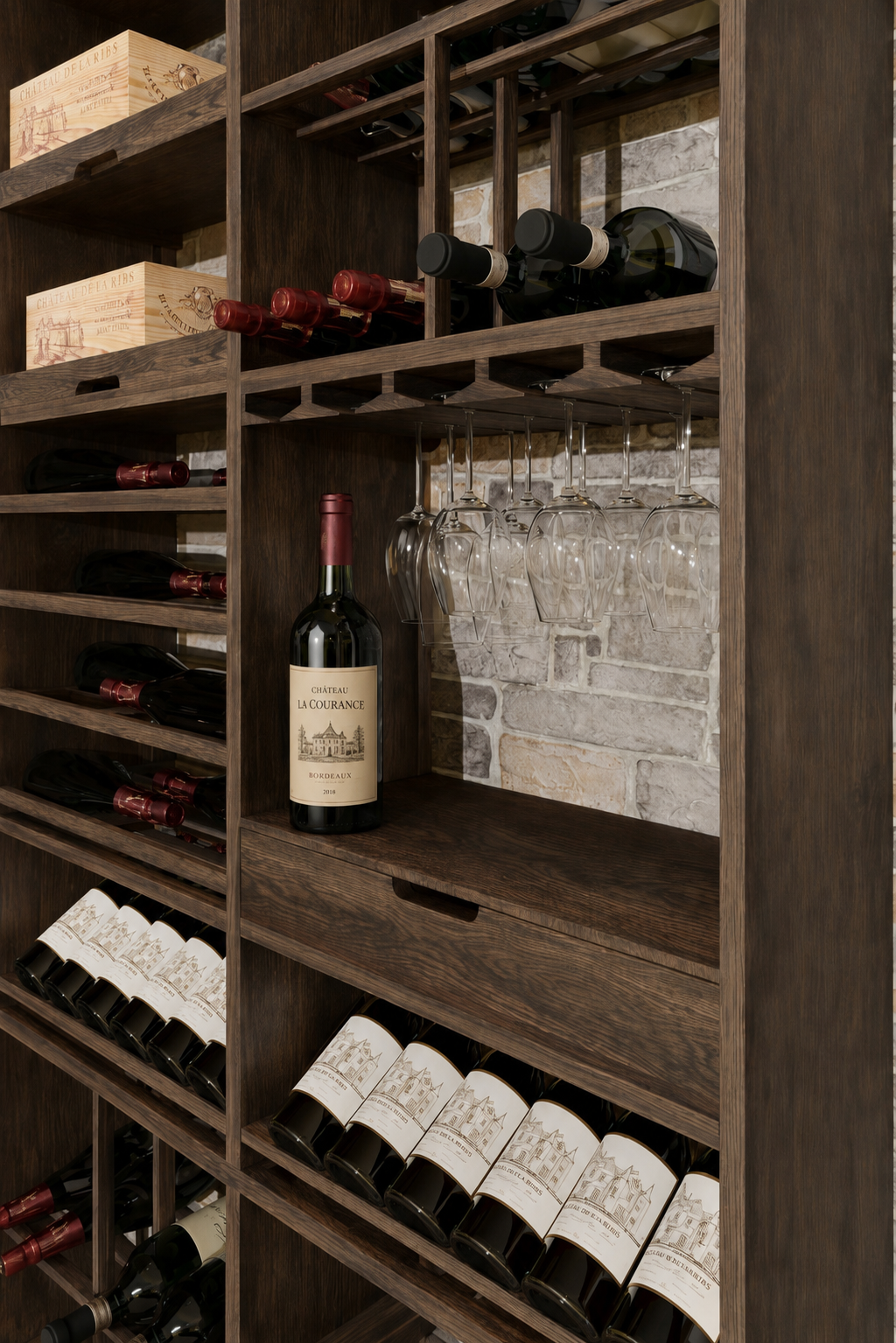
Building a wine collection following these principles creates a cellar that brings lasting enjoyment, reflects your personal taste, and potentially appreciates in value over time. Success requires patience, education, and proper storage infrastructure that protects your investment whilst enhancing your living space. Museliving specialises in premium handcrafted solid wood wine storage solutions designed with Scandinavian principles of functionality, sustainability, and timeless aesthetics-helping collectors across Europe create the perfect environment for their growing collections.