


Wine storage has evolved significantly over recent years, transforming from purely functional cellar solutions into sophisticated design elements that enhance living spaces. Wine racks standing have become particularly popular amongst homeowners, hospitality venues, and commercial establishments seeking versatile storage that combines accessibility with aesthetic appeal. These freestanding units offer flexibility in placement, capacity, and style, making them ideal for both compact urban flats and expansive wine collections. Understanding the key considerations when selecting standing wine storage ensures you invest in a solution that serves both practical and visual purposes whilst complementing your interior design philosophy.
The Rise of Freestanding Wine Storage
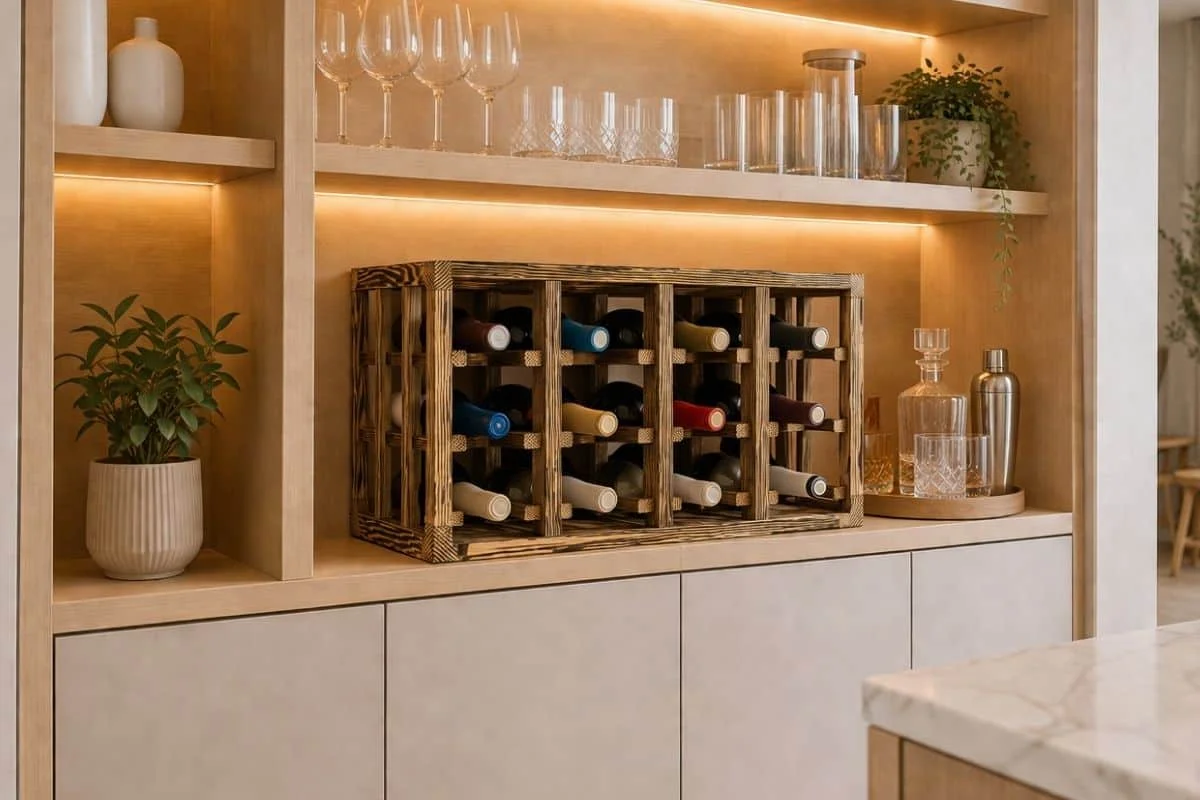
The contemporary market for wine storage reflects broader shifts in interior design preferences and lifestyle choices. Modern wine rack designs have moved away from traditional built-in cellars toward more adaptable solutions that suit various living arrangements. Wine racks standing offer distinct advantages over wall-mounted or integrated options, primarily due to their portability and visual impact.
Freestanding units create focal points within rooms whilst maintaining functionality. They can be repositioned as spaces evolve, making them particularly suitable for rental properties or individuals who relocate frequently. This flexibility extends to design possibilities as well, with manufacturers offering configurations ranging from minimalist vertical displays to substantial horizontal arrangements.
Market Trends and Consumer Preferences
Recent wine rack market analysis reveals growing demand for modular and customizable solutions. Consumers increasingly prioritize sustainable materials, craftsmanship quality, and design versatility when selecting wine storage. The shift toward premium handcrafted pieces reflects broader appreciation for artisanal furniture that demonstrates longevity and environmental responsibility.
Standing wine racks appeal across demographics, from young professionals establishing their first collections to established enthusiasts expanding existing storage. The variety of available designs ensures options for every aesthetic preference, from rustic farmhouse charm to sleek contemporary minimalism. This versatility has contributed to the continued relevance of wine racks standing in modern interiors, despite occasional debates about their place in contemporary design.
Material Considerations for Standing Wine Racks
Material selection significantly influences both the appearance and durability of wine racks standing. Different woods, metals, and composite materials each offer distinct characteristics that affect longevity, maintenance requirements, and aesthetic integration.
Solid Wood Construction
Premium hardwoods remain the gold standard for quality wine storage. Oak, particularly FSC-certified varieties, provides exceptional durability whilst developing character through natural ageing. The grain patterns and colour variations inherent in solid wood create unique pieces that complement Scandinavian and contemporary design schemes.
Timber wine racks offer several advantages:
Natural temperature regulation through wood’s insulating properties
Aesthetic warmth that softens modern interiors
Long-term durability when properly maintained
Sustainable credentials with certified forestry sources
Customization potential through various finishes and treatments
Different timber wine rack styles suit various interior approaches. Smoked oak delivers sophisticated depth for dramatic spaces, whilst lighter finishes maintain airiness in compact rooms. Pine options, particularly burnt pine variations, introduce texture and rustic appeal without overwhelming delicate colour schemes.
The choice between different wood species often reflects both practical considerations and design philosophy. Denser hardwoods provide superior structural integrity for larger collections, whilst softer woods can offer cost advantages without compromising aesthetic appeal. Understanding these distinctions helps buyers select wine racks standing that align with their specific requirements.
Design Styles and Configuration Options
Wine racks standing encompass remarkable variety in form and function. Understanding available configurations helps buyers identify solutions that optimize their specific spatial constraints and storage needs.
Vertical vs Horizontal Orientations
Orientation | Best For | Space Requirements | Visual Impact |
|---|---|---|---|
Vertical | Limited floor space, high ceilings | Minimal footprint | Dramatic height, draws eye upward |
Horizontal | Ample floor area, standard ceilings | Broader footprint | Grounding presence, accessible bottles |
Modular | Growing collections, flexible spaces | Customizable | Adaptable, expandable design |
Vertical wine racks standing suit narrow spaces such as hallway alcoves, kitchen corners, or compact dining areas. Their upward emphasis creates visual interest whilst preserving valuable floor space. These designs typically accommodate 20-40 bottles across multiple tiers, with some premium models extending to 60+ bottles.
Horizontal configurations work beautifully in spacious living areas, cellars, or commercial environments where accessibility matters more than spatial efficiency. Lower profiles make bottle selection easier, particularly for individuals with mobility considerations. These designs often incorporate additional storage for accessories, glassware, or serving items.
Modular and Expandable Systems
Modular wine racks standing represent perhaps the most versatile approach to wine storage. These systems allow owners to begin with core units and expand as collections grow, avoiding the need to replace entire storage solutions. Individual modules can be configured in countless arrangements, creating custom layouts that respond to specific architectural features or aesthetic preferences.
The advantages of modular designs include:
Scalability as collections expand over time
Reconfiguration flexibility when relocating or redesigning spaces
Budget-friendly phasing that spreads investment across multiple purchases
Custom aesthetic control through mix-and-match approaches
Simplified transportation with smaller component sizes
Popular wine rack designs for 2025 increasingly feature modular capabilities, reflecting consumer demand for adaptable furniture that evolves with changing needs. This approach aligns particularly well with sustainable consumption principles, as quality modular pieces can serve households throughout multiple life stages and living situations.
Practical Considerations for Wine Storage
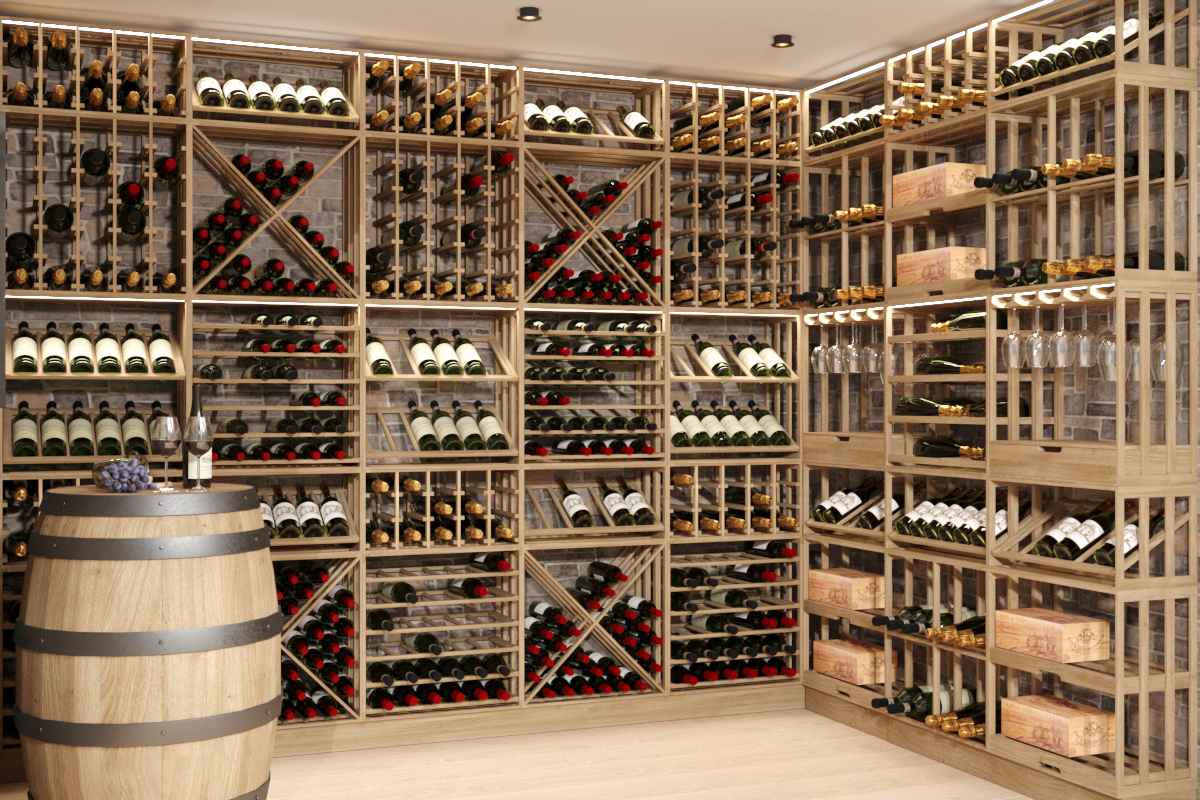
Beyond aesthetics, wine racks standing must fulfill fundamental preservation requirements that protect wine quality over time. Proper storage considers temperature stability, light exposure, bottle orientation, and accessibility.
Optimal Storage Conditions
Wine preservation demands relatively specific environmental conditions to prevent premature ageing or quality degradation. Whilst wine racks standing cannot control ambient temperature like dedicated climate units, their design and placement significantly influence storage success.
Temperature stability matters more than absolute temperature for most wine collections. Positioning wine racks standing away from radiators, direct sunlight, and kitchen appliances helps minimize temperature fluctuations. Ground floor locations typically offer more stable conditions than upper floors in multi-storey homes.
Horizontal bottle storage keeps corks moist, preventing oxidation through cork shrinkage. Most quality wine racks standing incorporate angled or horizontal cradles that maintain proper bottle orientation whilst allowing easy viewing of labels. This feature proves essential for serious collectors but benefits casual enthusiasts as well.
Capacity Planning and Space Allocation
Determining appropriate capacity requires honest assessment of current collection size and realistic growth projections. Wine racks standing range from compact 12-bottle units to substantial installations holding 100+ bottles.
Consider these capacity planning factors:
Average monthly bottle acquisition rate
Preferred storage duration before consumption
Special occasion or gifting reserves
Space for collection diversification across varietals
Allowance for unexpected finds or bulk purchases
Most experts recommend selecting wine racks standing with 30-50% excess capacity beyond current needs. This buffer accommodates collection growth whilst preventing overcrowding that complicates bottle access and increases breakage risk.
Placement Strategies for Maximum Impact
Strategic placement transforms wine racks standing from mere storage into architectural features that enhance overall interior design. Location decisions should balance practical accessibility with aesthetic contribution.
Room-Specific Considerations
Dining rooms represent traditional locations for wine display, placing collections near consumption points whilst creating conversation pieces during gatherings. Positioning wine racks standing adjacent to sideboards or serving stations creates functional beverage stations that streamline entertaining logistics.
Kitchen integration suits everyday wine drinkers who regularly select bottles during meal preparation. Corner placements maximize typically underutilized spaces, whilst galley kitchen configurations might accommodate narrow vertical units near pantry areas.
Living room installations make bold design statements, particularly in open-plan layouts where wine racks standing serve as subtle space dividers. These placements work especially well for collectors who view wine appreciation as central to their lifestyle identity and home aesthetic.
For those seeking premium handcrafted solutions that complement various interior settings, wine racks at Museliving offer sustainable solid wood construction with customizable finishes and modular configurations. Each piece combines Scandinavian design principles with exceptional craftsmanship, creating storage that ages beautifully whilst protecting valuable collections.
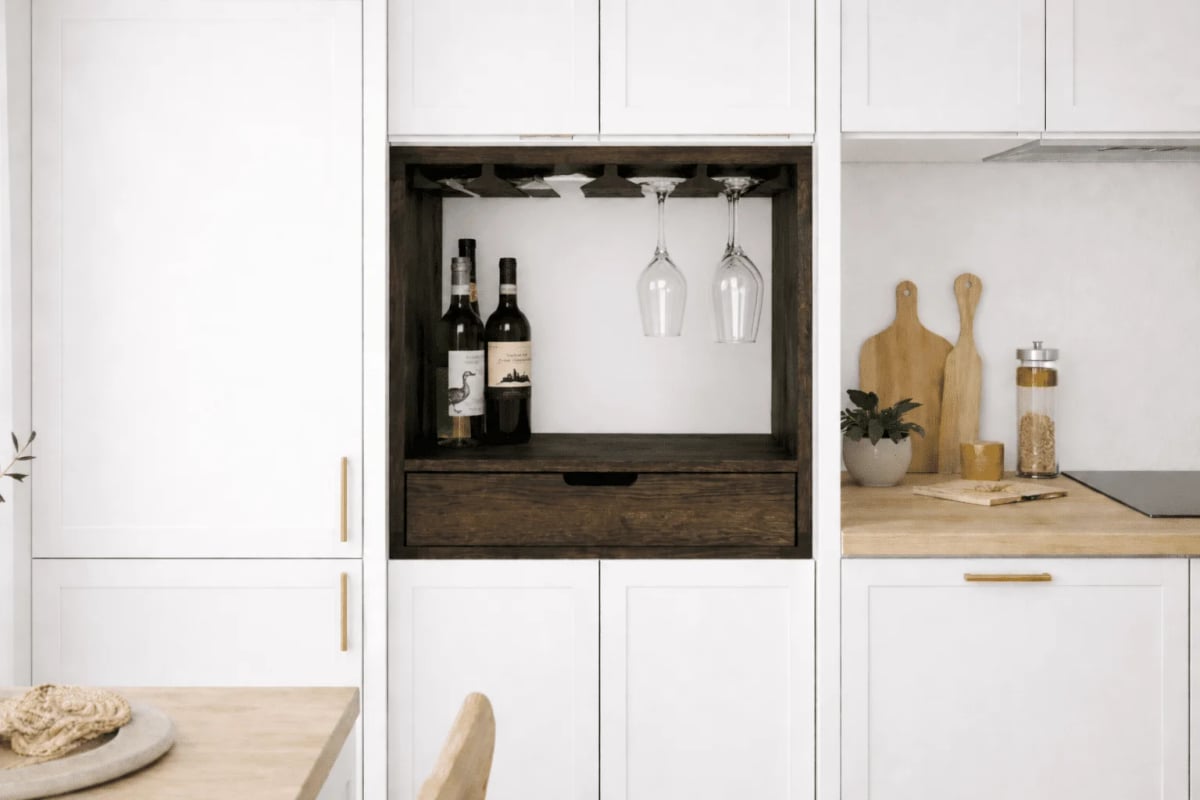
Commercial environments including restaurants, hotels, and wine bars utilize wine racks standing as both storage and marketing tools. Visible collections suggest curation and expertise whilst allowing service staff quick access during busy periods. These installations often incorporate lighting to highlight bottles and create atmospheric effects.
Spatial Flow and Accessibility
Beyond room selection, specific positioning within spaces affects both functionality and visual harmony. Wine racks standing should allow comfortable access from multiple angles without obstructing circulation paths or creating collision hazards.
Maintain these clearance guidelines:
60-90cm walkway clearance for comfortable bottle selection
30cm minimum distance from heat sources
Away from direct sunlight to prevent UV damage
Level floor surfaces to prevent structural stress
Wall proximity allowing door/drawer operation if applicable
Design Integration and Aesthetic Harmony
Wine racks standing succeed aesthetically when they complement rather than compete with existing interior elements. Thoughtful integration considers colour palettes, material relationships, and stylistic consistency.
Scandinavian Design Principles
Scandinavian aesthetics emphasize clean lines, natural materials, and functional beauty. Wine racks standing aligned with these principles feature minimal ornamentation, allowing wood grain and construction quality to provide visual interest. The approach values longevity over trends, creating pieces that remain relevant through evolving design fashions.
Key Scandinavian characteristics include:
Honest material expression showcasing natural wood character
Functional clarity where design serves purpose
Neutral colour foundations with selective accent opportunities
Handcrafted quality evident in joinery and finishing
Sustainable sourcing respecting environmental limits
These principles resonate particularly well with contemporary consumers who prioritize authenticity and environmental responsibility alongside aesthetic appeal. Comparing various wine rack styles reveals how different design philosophies create distinct visual effects suited to specific interior approaches.
Customization and Personalization Options
Bespoke wine racks standing allow homeowners to achieve perfect alignment with existing furnishings and architectural features. Custom sizing accommodates unusual spatial constraints such as sloped ceilings, alcoves, or built-in storage integration. Finish selection enables precise colour matching or deliberate contrast effects depending on desired visual relationships.
Popular customization options include:
Feature | Customization Options | Impact |
|---|---|---|
Dimensions | Height, width, depth adjustments | Perfect spatial fit |
Finish | Oil, wax, stain, natural | Colour coordination |
Capacity | Bottle slot quantity/arrangement | Collection-specific sizing |
Details | Handles, feet, decorative elements | Style refinement |
Materials | Wood species, metal accents | Aesthetic character |
The investment in custom wine racks standing often proves worthwhile for homeowners seeking furniture that reflects personal taste whilst addressing specific practical requirements. These pieces become unique interior elements rather than generic storage solutions, potentially increasing home value whilst providing daily satisfaction.
Sustainability and Environmental Responsibility
Growing environmental awareness influences purchasing decisions across furniture categories, including wine storage. Wine racks standing manufactured from sustainable materials using responsible production methods appeal to conscientious consumers seeking to minimize ecological impact.
FSC Certification and Responsible Forestry
Forest Stewardship Council (FSC) certification guarantees wood sources from responsibly managed forests where harvesting maintains ecological balance and supports local communities. This certification provides verifiable assurance that wine racks standing contribute to sustainable forestry rather than deforestation or habitat destruction.
Beyond certification, sustainable wine rack production considers:
Local material sourcing to minimize transportation emissions
Traditional joinery techniques avoiding synthetic adhesives
Natural finishing products reducing chemical pollution
Durable construction extending product lifespan
End-of-life recyclability or biodegradability
Manufacturers committed to sustainability often provide transparent information about material origins, production processes, and environmental initiatives. This transparency allows buyers to make informed choices aligned with personal values whilst supporting businesses that prioritize ecological responsibility.
Longevity vs Disposability
The environmental case for quality wine racks standing extends beyond initial material selection to encompass product lifespan. Premium handcrafted pieces constructed from solid hardwoods can serve multiple generations when properly maintained, representing far lower environmental impact than cheaply manufactured alternatives requiring frequent replacement.
This longevity consideration aligns with broader movements toward conscious consumption and circular economy principles. Investing in fewer, better-quality pieces that provide lasting satisfaction reduces overall consumption whilst potentially offering superior financial value across extended timeframes.
Maintenance and Care Requirements
Proper maintenance preserves both functionality and appearance of wine racks standing throughout their service life. Different materials demand specific care approaches, though most quality pieces require minimal intervention.
Wood Care Fundamentals
Solid wood wine racks benefit from occasional cleaning and periodic refinishing to maintain protective qualities and aesthetic appeal. Regular dusting prevents particle accumulation that can scratch finishes during bottle placement or removal.
Monthly maintenance routine:
Wipe surfaces with slightly damp cloth
Dry immediately to prevent moisture absorption
Inspect joints for loosening or separation
Check level positioning, adjust feet if necessary
Vacuum or sweep beneath unit to remove dust accumulation
Annual deep care:
Apply appropriate wood oil or wax following manufacturer specifications
Inspect all structural elements for wear or damage
Tighten any loose fasteners or connections
Assess capacity distribution, rebalance if needed
Professional refinishing every 5-10 years depending on wear
Addressing Common Issues
Even quality wine racks standing occasionally develop issues requiring attention. Understanding common problems and solutions helps owners maintain optimal functionality.
Wobbling or instability typically results from uneven floor surfaces rather than construction defects. Adjustable feet or small shims beneath corners restore stability. For units without adjustable feet, felt pads can compensate for minor variations.
Finish wear appears first in high-contact areas such as edges or shelf fronts. Spot refinishing addresses localized wear without requiring complete unit refinishing. Matching original finish type ensures seamless repairs.
Capacity overload stresses joints and shelves beyond design limits. Redistributing bottles or expanding storage prevents structural damage whilst maintaining safe operating conditions.
Commercial Applications and Hospitality Uses
Wine racks standing serve important functional and marketing roles within commercial environments. Restaurants, hotels, wine bars, and retail establishments utilize these pieces differently than residential settings, with distinct priorities around accessibility, visual impact, and durability.
Restaurant and Bar Installations
Innovative wine rack ideas for commercial settings emphasize quick access during service whilst creating impressive visual displays that communicate wine program sophistication. Open designs allow servers to quickly locate specific bottles, whilst strategic positioning ensures customer visibility without obstructing sightlines or circulation.
Commercial wine racks standing must withstand considerably more handling than residential equivalents. Daily bottle selection during multiple service periods subjects structures to repetitive stress that demands robust construction. Premium hardwood construction provides necessary durability whilst maintaining aesthetic appeal that cheaper alternatives cannot match.
Retail Display Applications
Wine merchants and specialty retailers use wine racks standing to showcase inventory whilst facilitating browsing and selection. These installations balance accessibility with security, often incorporating locking mechanisms or positioning within monitored areas.
Effective retail displays create visual hierarchy that guides customers toward featured selections whilst maintaining organized presentation of broader inventory. Modular systems excel in retail environments by allowing regular reconfiguration as inventory changes or promotional campaigns rotate.
Investment Value and Lifecycle Costs
Evaluating wine racks standing purely on initial purchase price overlooks important lifecycle cost considerations. Quality pieces that command premium prices often deliver superior long-term value through extended lifespan, minimal maintenance requirements, and enduring aesthetic appeal.
Calculating True Ownership Costs
Total ownership costs encompass initial purchase price plus ongoing maintenance, potential repairs, and eventual replacement timing. Inexpensive wine racks standing might require replacement every 3-5 years, whilst premium handcrafted pieces can serve 20+ years with basic maintenance.
Lifecycle comparison example:
Aspect | Budget Option | Premium Option |
|---|---|---|
Initial cost | £150 | £600 |
Expected lifespan | 4 years | 20 years |
Maintenance/year | £10 | £15 |
Replacement frequency | 5 times (20 years) | None |
Total 20-year cost | £950 | £900 |
This simplified comparison illustrates how premium wine racks standing often provide better financial value despite higher initial investment. The calculation excludes aesthetic satisfaction, sustainability considerations, and potential property value contributions that further favor quality options.
Resale and Heirloom Potential
Quality furniture including wine racks standing maintains resale value far better than mass-produced alternatives. Handcrafted pieces from reputable manufacturers become sought-after items in secondary markets, particularly as solid wood furniture appreciation grows amongst younger buyers.
Beyond resale, premium wine racks standing become family heirlooms passed between generations. This transgenerational value transcends monetary considerations, creating emotional connections and family continuity through treasured possessions.
Addressing Modern Design Debates
Periodic discussions emerge questioning whether wine racks remain relevant in contemporary homes. These debates often reflect evolving consumption patterns, technological alternatives, and shifting design preferences rather than fundamental inadequacies in wine rack concepts.
The Case for Traditional Storage
Wine racks standing offer advantages that technological alternatives cannot replicate. They create visual interest through bottle display, facilitate collection awareness and rotation, and contribute architectural character to spaces. Unlike climate-controlled units that conceal contents, open racks celebrate wine appreciation as lifestyle element worth showcasing.
Modern storage alternatives serve specific purposes but rarely replace traditional racks entirely. Serious collectors often employ both approaches, using climate units for long-term cellaring whilst maintaining wine racks standing for ready-access bottles and visual display.
Contemporary Relevance
Current wine rack design ideas demonstrate continued innovation within the category. Designers explore new materials, configurations, and integrated features that address modern living patterns whilst respecting traditional storage principles. This ongoing evolution ensures wine racks standing remain relevant across demographic segments and interior styles.
The key lies in selecting designs that align with contemporary aesthetics rather than clinging to dated approaches. Sleek minimalist racks suit modern interiors just as traditional designs complement classic spaces, proving category versatility rather than obsolescence.
Selecting the Right Standing Wine Rack
Navigating available options requires systematic evaluation of personal priorities, spatial constraints, and aesthetic preferences. A structured selection process ensures investment in wine racks standing that deliver lasting satisfaction.
Essential Selection Criteria
Establish clear priorities before beginning detailed product research. Different buyers weight criteria differently based on individual circumstances:
Collection size and growth projections
Available floor space and room configuration
Existing interior style and material palette
Budget parameters and value expectations
Sustainability and ethical production preferences
Customization requirements for perfect fit
Research thoroughly across manufacturers and styles. Quality handcrafted options from specialized furniture makers often provide superior value compared to mass-market alternatives despite higher initial costs. Examples include oak wine racks, smoked oak variations, and burnt pine designs that showcase different aesthetic approaches whilst maintaining construction quality.
Consider modular options like the Reese pine wine rack or Half Reese vertical models that allow collection expansion without complete storage system replacement. These designs provide flexibility that fixed-capacity units cannot match.
Professional Consultation Benefits
Engaging furniture specialists during selection processes often yields better outcomes than purely independent research. Experienced consultants understand material characteristics, construction techniques, and design integration principles that inform educated recommendations.
Professional guidance proves particularly valuable when considering custom wine racks standing. Specialists help translate vague aesthetic preferences into specific design parameters, ensuring final products align with expectations whilst addressing practical requirements customers might overlook.
Wine racks standing represent versatile storage solutions that combine practical functionality with aesthetic contribution across residential and commercial settings. The enduring appeal of quality freestanding wine storage reflects fundamental human appreciation for craftsmanship, natural materials, and furniture that enhances daily living whilst serving practical purposes. Whether establishing your first collection or expanding existing storage, Museliving offers premium handcrafted wine racks built from sustainable FSC-certified woods with customizable finishes and modular configurations that adapt to your unique requirements. Our Scandinavian-inspired designs deliver timeless elegance and exceptional durability across Europe, creating wine storage solutions that grow with your collection whilst enriching your interior spaces for decades to come.