


Wine is a living product that continues to evolve in the bottle, and its journey from vineyard to glass depends heavily on the conditions in which it rests. Whether you’re building a collection of fine Burgundies, storing everyday bottles, or managing inventory for a restaurant, understanding the fundamentals of proper wine storage ensures that each bottle reaches its full potential. Poor storage can transform a promising vintage into vinegar, whilst optimal conditions allow complex flavours and aromas to develop harmoniously over years or even decades. This comprehensive guide explores the critical factors that preserve wine quality and examines practical solutions for collectors, hospitality venues, and wine enthusiasts across Europe.
The Science Behind Wine Preservation
Wine storage is governed by chemistry and physics. The liquid inside each bottle is an intricate ecosystem of organic compounds, acids, tannins, and aromatic molecules that react to environmental changes. Temperature fluctuations accelerate oxidation and chemical reactions that can spoil delicate balance, whilst excessive heat breaks down flavour compounds and drives premature aging. Conversely, freezing temperatures can push corks out and cause irreversible damage to the wine’s structure.
Research from the International Organisation of Vine and Wine establishes that wine stability depends on maintaining consistent conditions throughout storage. The volatile compounds that give wine its bouquet are particularly sensitive to temperature swings, light exposure, and vibration. Understanding these scientific principles helps explain why proper wine storage requires attention to multiple environmental factors simultaneously.
Temperature: The Most Critical Variable
Maintaining stable temperature stands as the cornerstone of proper wine storage. The ideal range sits between 10°C and 15°C, with 12°C often cited as the sweet spot for long-term aging. This narrow band slows oxidation whilst allowing wines to develop complexity gradually. According to guidance from Purdue University Extension, every 10°C increase in storage temperature can double the rate of chemical reactions occurring within the bottle.
Critical temperature considerations include:
Consistency matters more than hitting exact temperatures
Daily fluctuations should not exceed 2°C to 3°C
Seasonal variations should remain minimal
Sudden temperature shocks cause wine to expand and contract, potentially compromising seals
Short-term storage at slightly higher temperatures (up to 18°C) won’t ruin wine immediately, but extended periods above 21°C accelerate aging and can produce cooked flavours. Professional cellars invest heavily in climate control systems precisely because temperature stability protects investment-grade bottles.
Humidity and Cork Preservation
Proper wine storage demands careful humidity management, typically maintaining levels between 60% and 70%. This range prevents corks from drying out whilst avoiding excessive moisture that encourages mould growth. When humidity drops below 50%, natural corks begin to shrink, allowing oxygen to seep into bottles and oxidise wine prematurely. The Wine & Spirit Education Trust emphasises that proper humidity control extends the lifespan of cork closures significantly.
Humidity Level | Effect on Wine Storage | Recommended Action |
|---|---|---|
Below 50% | Cork drying, oxidation risk | Install humidifier |
60-70% | Optimal preservation | Monitor regularly |
Above 80% | Mould, label damage | Install dehumidifier |
High humidity rarely damages wine itself but can destroy labels and create unsightly mould on bottles and storage systems. For collectors concerned about provenance and resale value, label preservation matters. A simple hygrometer provides affordable monitoring, whilst more sophisticated storage solutions incorporate automated humidity control.
Horizontal Storage and Cork Contact
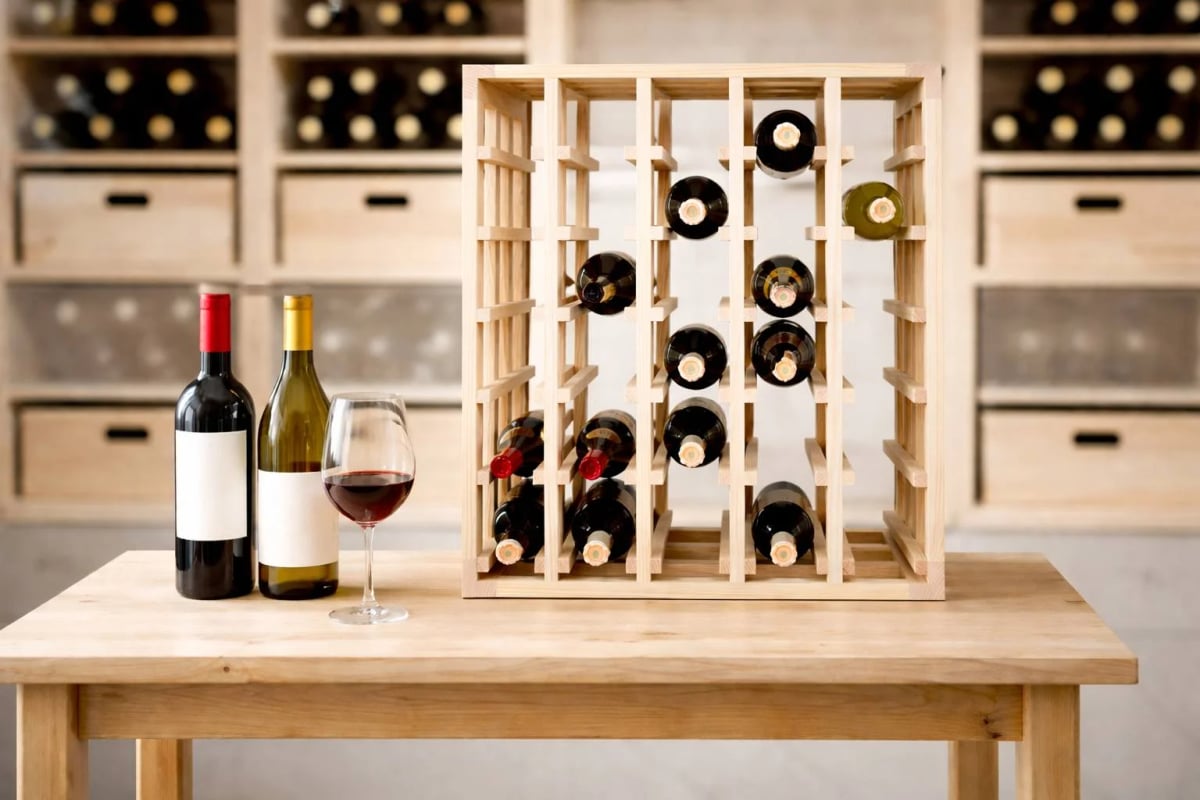
Storing bottles horizontally keeps wine in contact with the cork, maintaining moisture from the inside. This traditional method prevents cork deterioration and has been standard practice for centuries. The position also maximises space efficiency in cellars and wine racks, allowing collectors to store more bottles in compact footprints.
Modern screw caps and synthetic closures have altered this requirement somewhat, as these alternative seals don’t require moisture. However, horizontal storage remains advantageous for space optimisation and visual presentation. For those seeking elegant storage solutions, modular systems crafted from solid oak or smoked oak combine functionality with Scandinavian aesthetic principles, ensuring bottles rest securely whilst complementing interior design.
Light Protection and UV Exposure
Ultraviolet radiation degrades wine rapidly, breaking down organic compounds and causing what professionals term “light strike.” This phenomenon produces unpleasant sulphur compounds and diminishes aromatic complexity. Proper wine storage requires shielding bottles from direct sunlight and even bright artificial lighting, particularly fluorescent tubes that emit significant UV radiation.
Effective light protection strategies:
Store wine in windowless rooms or spaces with UV-filtering glass
Use opaque doors on wine storage units
Select amber or dark green bottles when purchasing wine
Minimise exposure during handling and service
Install warm LED lighting if illumination is necessary
Commercial establishments face particular challenges balancing display requirements with preservation needs. Restaurants and hotels showcasing wine collections must invest in UV-filtering glass or strategic lighting that protects bottles whilst maintaining visual appeal. Decanter magazine’s storage advice frequently addresses this balance for hospitality venues.
Vibration Control and Stillness
Recent research, including a comprehensive study from Massey University, demonstrates that vibration affects wine evolution during bottle aging. Constant movement disturbs sediment in older wines and may accelerate chemical reactions that alter flavour profiles. Proper wine storage minimises vibration from nearby appliances, traffic, or structural movement.
Practical Vibration Mitigation
Wine cellars should be located away from washing machines, heating systems, and busy roadways. Solid construction materials dampen vibration transmission better than lightweight structures. For urban environments where some vibration is unavoidable, specialised storage racks with vibration-dampening materials provide additional protection.
The effect becomes more pronounced with age. Young wines destined for consumption within two to three years tolerate modest vibration, whilst bottles intended for decade-long cellaring benefit from absolute stillness. This consideration influences room selection for wine storage, particularly in residential settings where basement locations often provide optimal conditions.
Air Quality and Odour Management
Wine breathes minimally through cork closures, making air quality another factor in proper wine storage. Strong odours from chemicals, paints, cleaning products, or food can penetrate corks and taint wine over extended periods. Storage areas should maintain neutral scent profiles and adequate ventilation without creating drafts that destabilise temperature.
Storage rooms sharing space with heating equipment, fuel, or aromatic materials risk compromising wine quality. Proper wine storage requires dedicated spaces or careful compartmentalisation. Natural materials like solid oak furniture release minimal volatile compounds compared to manufactured boards or treated materials, making them preferable choices for cellar construction and fitting.
Storage Solutions for Different Spaces
Not every wine enthusiast possesses a traditional cellar, yet proper wine storage remains achievable in various residential and commercial settings. The key lies in matching storage approach to available space and collection size.
Residential Options
Storage Type | Capacity | Temperature Control | Investment Level |
|---|---|---|---|
Wine refrigerator | 12-200 bottles | Excellent | Moderate to high |
Under-stair cellar | 50-500 bottles | Good (with insulation) | Moderate |
Spare room conversion | 500+ bottles | Variable (requires HVAC) | High |
Modular racking | Variable | Depends on location | Low to moderate |
Apartments and modern homes often lack basements, making temperature-controlled wine refrigerators practical investments. These units maintain precise conditions and protect collections from ambient fluctuations. For larger collections, converting unused spaces like cupboards or spare bedrooms into climate-controlled storage areas provides cost-effective long-term solutions.
Commercial and Hospitality Applications
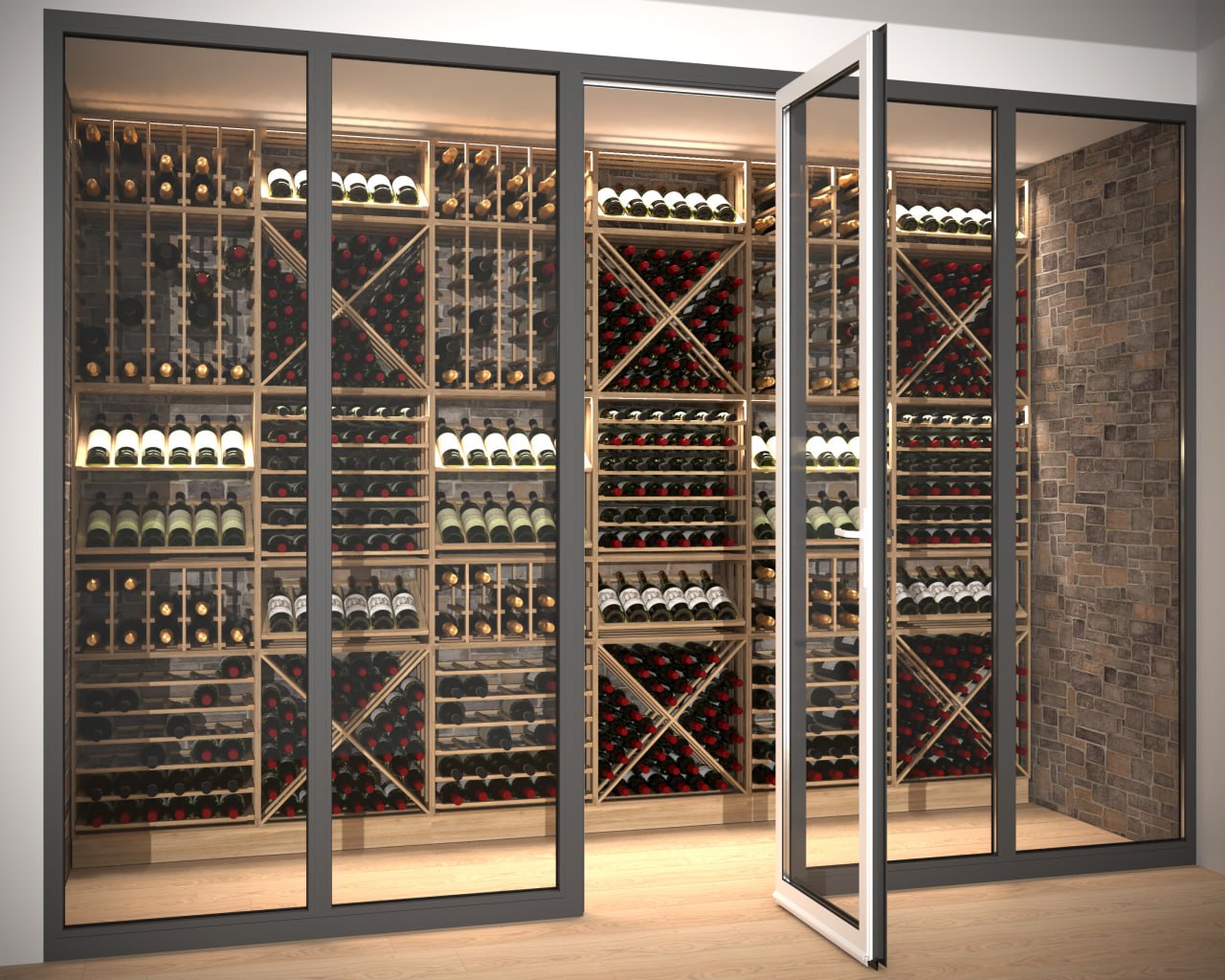
Restaurants, hotels, and wine bars require storage that balances preservation with accessibility and presentation. Professional establishments often implement tiered storage: display areas with controlled lighting for current selections, and separate climate-controlled cellars for aging inventory and premium bottles.
Custom wine storage systems allow hospitality venues to showcase collections whilst maintaining proper environmental conditions. Modular designs adapt to changing inventory levels and can be expanded as collections grow. Scandinavian-inspired designs using FSC-certified materials align with contemporary sustainability values whilst delivering functional elegance.
Inventory Management and Organisation
Proper wine storage extends beyond environmental control to include systematic organisation. Tracking bottle locations, purchase dates, and optimal drinking windows prevents unnecessary handling and allows collectors to monitor aging progression. Digital cellar management applications have revolutionised this aspect, offering searchable databases and consumption tracking.
Effective organisation principles:
Group wines by region, varietal, or producer for easy retrieval
Position bottles requiring longer aging towards the back
Store ready-to-drink selections in accessible locations
Implement clear labelling or numbering systems
Maintain purchase records and tasting notes
Physical organisation also impacts proper wine storage efficiency. Designating specific zones for different wine types prevents excessive searching and reduces vibration from frequent handling. Commercial venues particularly benefit from rigorous inventory systems that track stock rotation and prevent bottles from exceeding optimal drinking windows.
Duration and Aging Potential
Not all wines benefit from extended storage. Understanding which bottles to age and which to consume young optimises both storage space and drinking pleasure. The majority of wines produced globally are designed for immediate consumption, typically within one to three years of release. Only a small percentage of premium wines improve with extended cellaring.
Factors determining aging potential include grape variety, vintage conditions, winemaking techniques, and structural components like tannins and acidity. Proper wine storage preserves these elements, allowing them to integrate and evolve. Bordeaux, Barolo, Burgundy, and vintage Port represent classic examples of wines that reward patient cellaring, whilst most whites, rosés, and light reds reach their peak within shorter timeframes.
Monitoring Aging Progress
Regular assessment helps determine when wines reach optimal maturity. Professional collectors often purchase multiple bottles of the same wine, opening one periodically to track development. This practice requires disciplined record-keeping and proper wine storage conditions to ensure that remaining bottles age identically.
Climate monitoring equipment has become increasingly affordable and sophisticated. Smart sensors transmit real-time temperature and humidity data to mobile devices, alerting collectors to concerning fluctuations. This technology integration represents the evolution of proper wine storage from passive preservation to active management.
Common Storage Mistakes and Solutions
Even experienced collectors occasionally compromise proper wine storage through preventable errors. Recognising these pitfalls helps avoid costly losses and disappointment.
Kitchen storage: Convenient but problematic due to temperature fluctuations, vibration from appliances, and light exposure
Refrigerator placement: Standard refrigerators run too cold (around 4°C) and create excessive vibration
Vertical storage long-term: Allows corks to dry despite adequate humidity
Inconsistent positioning: Moving bottles frequently disturbs sediment and accelerates aging
Overcrowding: Restricts air circulation and makes retrieval difficult
Solutions typically involve relocating collections to more suitable areas and investing in appropriate storage infrastructure. For those building storage from scratch, consulting design resources about Scandinavian furniture principles can inspire systems that balance aesthetics, functionality, and proper preservation requirements.
Environmental Sustainability in Wine Storage
Modern proper wine storage increasingly incorporates sustainability considerations. Energy-efficient cooling systems reduce environmental impact whilst maintaining optimal conditions. Natural materials like solid wood, when sourced from responsibly managed forests, provide low-emission alternatives to synthetic storage solutions.
FSC-certified oak and other sustainable timbers deliver structural integrity without compromising environmental values. These materials naturally regulate moisture and resist warping under cellar humidity, making them ideal for long-term wine storage applications. The durability of premium hardwoods also means storage systems can serve multiple generations, reducing waste and resource consumption.
Passive cooling techniques, including strategic room location and insulation, minimise energy requirements. Basement and below-grade spaces naturally maintain cooler, more stable temperatures than upper floors, reducing reliance on mechanical systems. When combined with high-quality construction materials, these passive approaches achieve proper wine storage conditions with minimal environmental footprint.
Professional Assessment and Custom Solutions
Serious collectors and commercial establishments often benefit from professional storage consultation. Experts assess existing spaces, identify environmental challenges, and recommend targeted improvements. This investment proves particularly valuable when designing dedicated cellars or converting existing rooms for wine storage purposes.
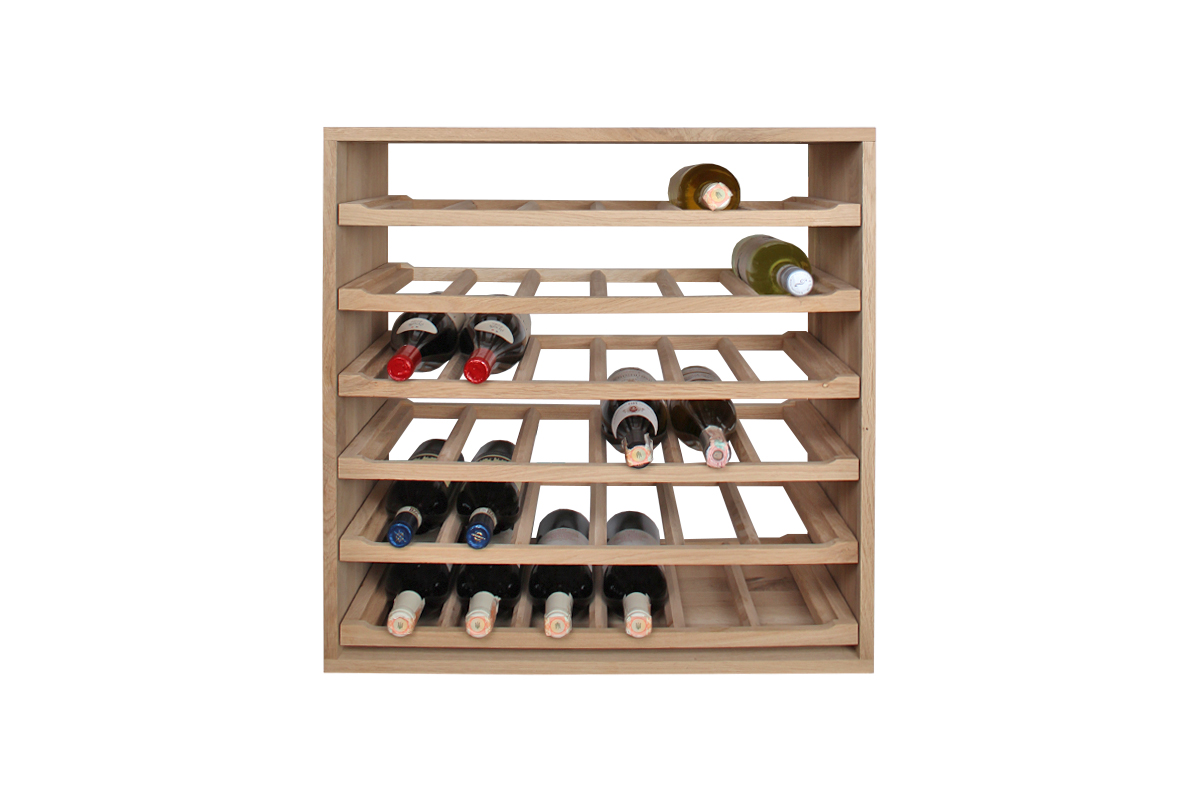
Custom storage solutions address unique spatial constraints and aesthetic preferences whilst ensuring proper wine storage fundamentals. Modular systems offer flexibility for growing collections, allowing incremental expansion without complete redesign. Handcrafted corner wine racks and vertical storage units maximise awkward spaces that might otherwise remain unused.
Professional installation ensures structural integrity and optimal placement. Weight distribution matters significantly when storing hundreds of bottles, and proper anchoring prevents dangerous collapses. Expert guidance also addresses ventilation, insulation, and climate control integration for seamless operation.
Proper wine storage transforms bottles into investments that appreciate in quality over time, protecting the craftsmanship that begins in vineyards and continues through winemaking. By maintaining stable temperature, appropriate humidity, darkness, stillness, and clean air, collectors ensure their wines develop the complexity and character that make aged bottles so rewarding. Whether you’re storing a modest selection or building an extensive cellar, Museliving offers premium handcrafted storage solutions combining Scandinavian design principles with sustainable materials and exceptional functionality, helping wine enthusiasts across Europe create beautiful, practical spaces for their treasured collections.