



Proper wine storage transforms casual collectors into confident connoisseurs whilst preserving the quality and value of every bottle. Whether you’re designing a dedicated cellar, maximising a compact kitchen corner, or outfitting a commercial hospitality venue, understanding the fundamentals of wine preservation ensures your investment matures gracefully. From temperature-controlled environments to handcrafted modular systems, the right wine storage ideas blend functionality with aesthetic appeal, creating spaces that celebrate both the science and artistry of viticulture.
Understanding the Science Behind Wine Storage
Wine is a living product that continues to evolve after bottling, making storage conditions absolutely critical to its development. Research from UC Davis demonstrates that temperature fluctuations and packaging types significantly impact wine quality over time. The chemical reactions occurring within sealed bottles require stable environments to proceed optimally.
Temperature Control Fundamentals
Maintaining consistent temperature ranks as the single most important factor in wine preservation. The ideal storage range sits between 10°C and 15°C, with 12°C considered optimal for long-term ageing. Temperature swings cause wine to expand and contract, potentially pushing corks outward and allowing oxidation.
Key temperature considerations include:
Consistency matters more than the exact degree
Avoid fluctuations greater than 2-3°C daily
Higher temperatures accelerate ageing unpredictably
Lower temperatures slow development but risk tartrate precipitation
Modern wine storage ideas often incorporate dedicated cooling systems, particularly in climates where ambient temperatures vary seasonally. Even modest collections benefit from temperature monitoring, with digital hygrometers providing affordable peace of mind.
Humidity and Light Protection
Relative humidity between 60% and 70% prevents corks from drying whilst avoiding mould growth on labels and boxes. Too little moisture allows air to seep past corks; excessive dampness creates unhygienic conditions and label deterioration.
Light exposure, particularly ultraviolet radiation, degrades wine compounds and accelerates unwanted chemical reactions. Scientific studies published in PubMed Central confirm that light-induced oxidation fundamentally alters flavour profiles and aromatic compounds during bottle ageing. Dark storage spaces or UV-filtered glass doors provide essential protection for valuable vintages.
Traditional Wine Cellar Design
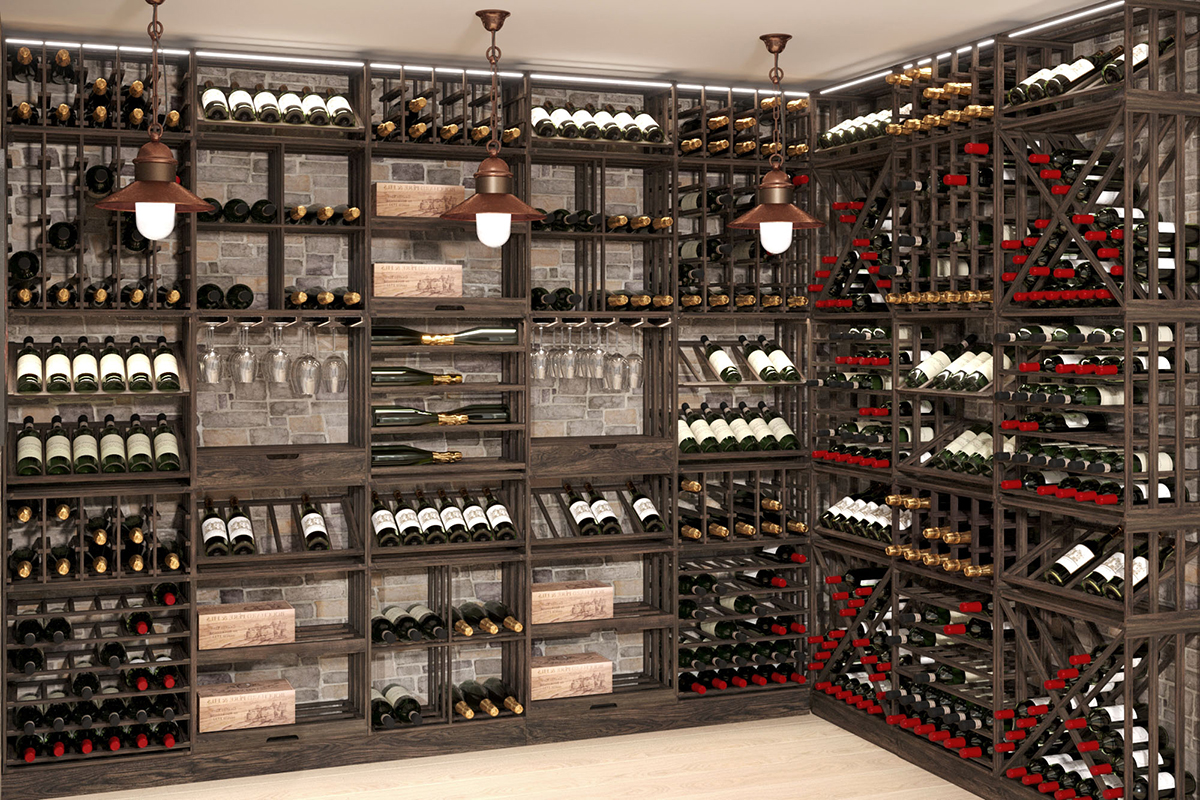
Purpose-built cellars remain the gold standard for serious collectors, offering precise environmental control within dedicated underground or below-ground spaces. Proper cellar construction requires careful attention to insulation, vapour barriers, and moisture management.
Building Science insights on wine cellar construction detail the technical requirements for maintaining stable conditions year-round. These spaces typically feature:
Element | Specification | Purpose |
|---|---|---|
Insulation | R-19 minimum walls, R-30 ceiling | Temperature stability |
Vapour barrier | 6-mil polyethylene | Moisture control |
Door seal | Weather-stripped, insulated | Prevent air exchange |
Cooling unit | Dedicated wine cellar system | Precise climate control |
Underground locations naturally maintain cooler, more stable temperatures than above-ground rooms. Basement conversions represent cost-effective alternatives to excavated cellars, provided adequate insulation and climate control systems are installed.
Passive vs. Active Climate Control
Passive cellars rely on earth’s natural insulation and strategic placement to maintain conditions without mechanical cooling. These traditional wine storage ideas work brilliantly in regions with moderate climates and homes with basement access. Active systems employ dedicated refrigeration units, essential in warmer climates or above-ground installations.
Hybrid approaches combine passive benefits with supplementary cooling during peak summer months. This strategy reduces energy consumption whilst ensuring bottles never experience damaging temperature spikes.
Modular Wine Rack Systems for Flexible Storage
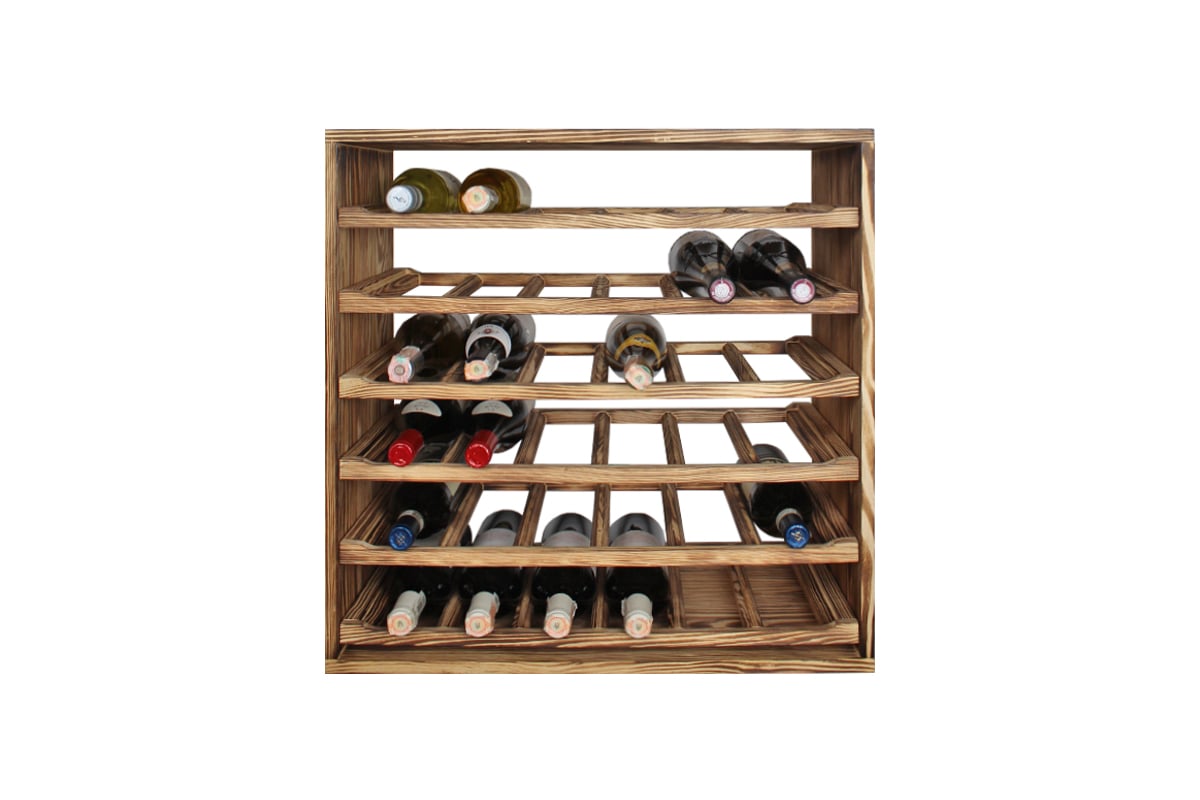
Modular racking represents perhaps the most versatile category of wine storage ideas, adapting seamlessly to growing collections and evolving space requirements. These systems combine individual units into customised configurations, scaling from dozens to thousands of bottles.
Solid wood construction offers superior longevity compared to metal or plastic alternatives. Premium materials like oak naturally regulate minor humidity fluctuations whilst providing structural integrity for heavy bottle loads. Scandinavian-inspired designs emphasise clean lines and minimalist aesthetics that complement contemporary interiors.
Museliving’s approach to handcrafted wine racks demonstrates how modular systems manufactured from FSC-certified solid oak deliver both functionality and timeless elegance. Freestanding, wall-mounted, and corner configurations adapt to residential kitchens, dining rooms, commercial restaurants, and hotel wine programmes alike.
Calculating Capacity Requirements
Start by assessing your current collection and projected growth over five years. Allow 20-30% additional capacity for acquisitions and seasonal purchases. Standard wine bottles measure 75cl, but magnum formats (1.5L) and half-bottles (37.5cl) require different slot dimensions.
Bottle capacity planning:
Count current bottles by format
Estimate annual acquisition rate
Add buffer for gift bottles and special purchases
Factor in bottles consumed versus aged
Choose racking with appropriate depth and spacing
Individual bottle slots provide superior organisation and air circulation compared to bulk bin storage. Label-forward orientation simplifies selection whilst horizontal positioning keeps corks moist.
Under-Stair and Compact Space Solutions
Staircases create naturally cool, dark microclimates perfect for wine storage. Converting under-stair cupboards into functional wine zones maximises often-wasted square footage. These areas typically remain cooler than main living spaces whilst offering convenient access.
Design Considerations for Tight Spaces
Measure dimensions carefully, accounting for door swings, electrical outlets, and structural elements. Custom-fitted racking maximises every centimetre whilst maintaining proper bottle spacing. Consider pull-out drawers or sliding systems for deep cupboards where rear bottles become difficult to reach.
Lighting deserves special attention in enclosed spaces. LED strips with warm colour temperatures (2700-3000K) provide visibility without UV damage. Motion sensors prevent lights remaining on unnecessarily, reducing heat generation.
Climate monitoring becomes critical in compact installations. Even small spaces benefit from digital thermometer-hygrometer units, alerting owners to conditions drifting outside safe parameters. Position sensors at mid-height, away from walls, for most accurate readings.
Wine Storage in Commercial Hospitality Settings
Restaurants, hotels, and wine bars face unique challenges balancing accessibility, presentation, and preservation. Display storage must showcase bottles attractively whilst maintaining proper conditions. Back-of-house cellars secure valuable inventory and allow proper bottle ageing.
Front-of-House Display Options
Glass-fronted wine walls create stunning visual features whilst protecting bottles from ambient light and temperature. Double-glazed UV-filtered glass combines transparency with preservation, particularly when paired with dedicated cooling systems. LED backlighting enhances presentation but requires careful specification to avoid heat and UV exposure.
Display Type | Capacity | Climate Control | Visual Impact |
|---|---|---|---|
Wall-mounted glass cabinets | 50-200 bottles | Integrated cooling | High |
Freestanding temperature-controlled units | 100-500 bottles | Built-in systems | Medium-High |
Decorative open racking | 50-150 bottles | Ambient only | Medium |
Under-counter refrigerated drawers | 20-80 bottles | Individual zones | Low-Medium |
Staff accessibility and customer browsing patterns should inform placement decisions. Frequently ordered wines merit prime positioning, whilst rare vintages deserve protected secondary locations. Inventory management systems integrated with storage layouts prevent mis-selections and streamline service.
Kitchen Integration Strategies
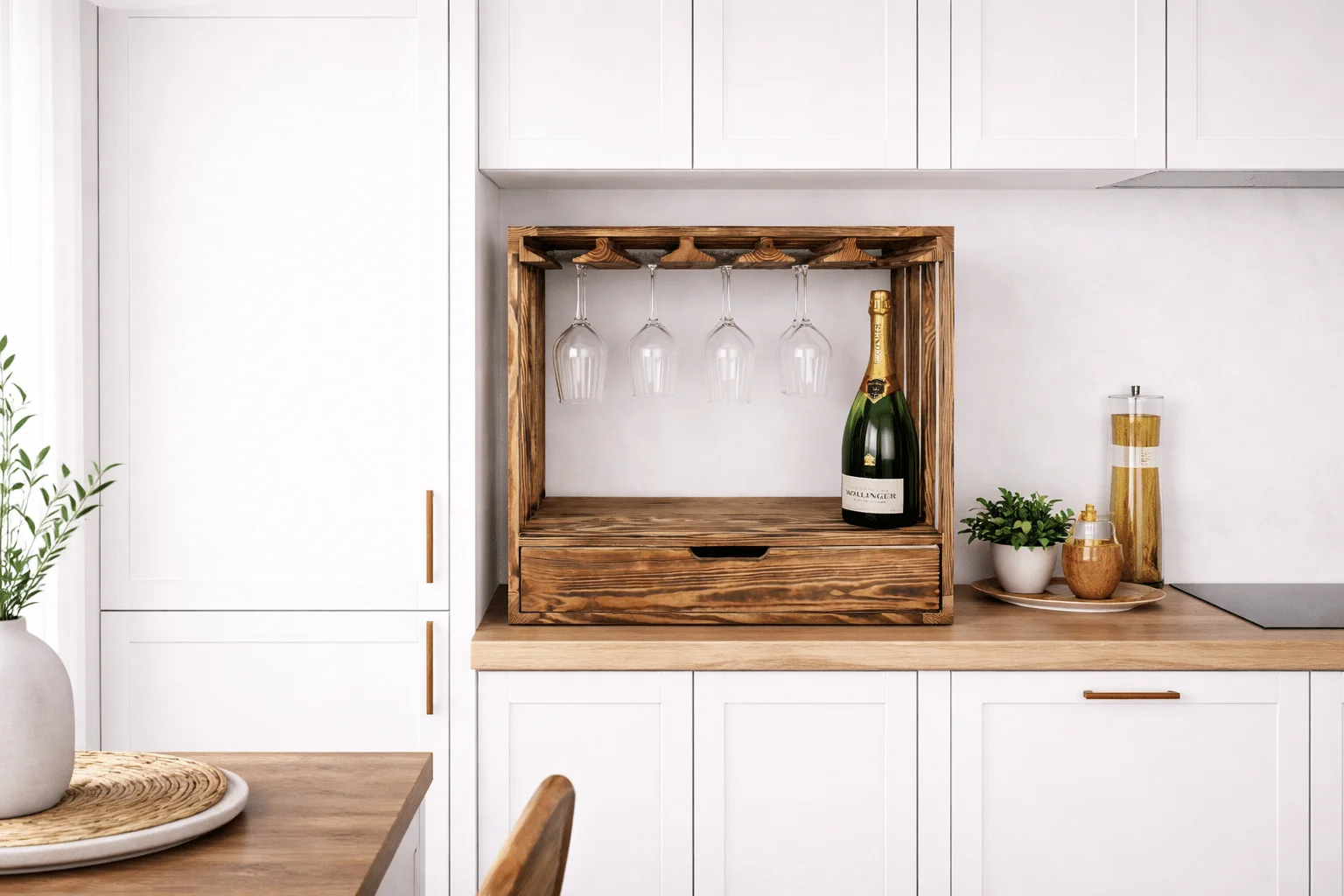
Modern kitchens increasingly incorporate wine storage as standard features, recognising wine’s role in culinary culture and entertaining. Island units, cabinetry toe-kicks, and bespoke joinery create seamless integration matching overall kitchen aesthetics.
Avoiding Common Kitchen Storage Mistakes
Standard kitchen refrigerators maintain temperatures far too cold for optimal wine storage, typically 1-4°C compared to wine’s ideal 12°C. Vibration from compressor cycles and food odours further compromise wine quality. Dedicated wine zones within kitchen layouts require thoughtful separation from cooking heat sources.
Position wine storage away from ovens, hobs, and dishwashers, which generate substantial heat and humidity fluctuations. North-facing walls and corner locations typically remain cooler than sun-exposed elevations. Interior walls separating kitchens from living spaces often provide more stable thermal conditions than exterior walls.
Federal Register documentation referencing typical wine cellar operating parameters confirms that maintaining 12-15°C and 55-65% relative humidity optimises preservation. Kitchen installations struggle to achieve these conditions without dedicated climate control.
Sustainable and Eco-Conscious Storage Approaches
Environmental awareness increasingly influences wine storage ideas, with collectors seeking sustainable materials and energy-efficient solutions. Solid wood from responsibly managed forests offers superior sustainability credentials compared to engineered composites or plastics.
FSC Certification and Material Selection
Forest Stewardship Council certification guarantees timber originates from forests managed according to rigorous environmental and social standards. Oak, in particular, combines exceptional durability with classic aesthetics, ageing gracefully over decades. Natural wood finishes avoid volatile organic compound emissions associated with synthetic coatings.
Multi-Functional Furniture Solutions
Wine storage needn’t occupy dedicated space when integrated into multi-purpose furniture. Sideboards, console tables, and room dividers increasingly feature wine compartments alongside conventional storage. These hybrid pieces prove particularly valuable in open-plan living spaces and compact homes.
Design Harmony and Interior Integration
Select wine storage furniture complementing existing interior aesthetics. Scandinavian minimalism emphasises natural materials, clean lines, and functional simplicity. Solid oak construction weathers trends, remaining stylish across decades whilst developing rich patina that enhances character.
Modular furniture systems offer exceptional flexibility, adapting as needs evolve. Add sections to accommodate growing collections or reconfigure layouts when relocating. This adaptability extends furniture lifespans, reducing waste and supporting sustainable consumption patterns.
Organisation and Inventory Management
Even modest collections benefit from systematic organisation. Logical arrangement by region, varietal, or vintage simplifies selection and prevents bottles languishing forgotten. Digital inventory applications track purchases, consumption, and optimal drinking windows.
Cellar Book Systems
Traditional cellar books record:
Acquisition date and source
Producer, region, and vintage
Quantity and bottle size
Storage location reference
Tasting notes and drinking window
Current bottle count
Modern alternatives employ smartphone apps with barcode scanning, automatic price tracking, and community tasting notes. Choose systems matching your technical comfort and collection complexity. The best system remains the one you’ll consistently maintain.
Physical organisation schemes vary by preference. Geographical arrangement groups wines by origin, whilst varietal sorting clusters similar styles together. Chronological systems separate ready-to-drink bottles from those requiring further ageing. Hybrid approaches combining multiple criteria suit larger, diverse collections.
Temperature and Humidity Monitoring Technology
Contemporary wine storage ideas increasingly incorporate smart sensors providing real-time environmental data. WiFi-enabled monitors alert smartphones when conditions drift outside preset parameters, enabling immediate corrective action.
Recent research presented to the American Society for Enology and Viticulture demonstrates how even brief temperature spikes measurably impact wine evolution. Continuous monitoring catches problems before permanent damage occurs, particularly valuable for expensive or irreplaceable bottles.
Calibration and Accuracy
Quality instruments require periodic calibration to maintain accuracy. Temperature sensors should read within ±0.5°C of actual conditions; humidity sensors within ±3% RH. Place sensors centrally within storage spaces, avoiding corners and areas adjacent to doors or cooling vents where microclimates develop.
Data logging functionality tracks conditions over time, revealing patterns invisible to spot-checks. Historical data identifies seasonal fluctuations, equipment failures, and effectiveness of climate control modifications. Annual reviews of logged data inform maintenance schedules and system upgrades.
Aesthetic Presentation and Label Visibility
Wine storage serves dual purposes: preservation and presentation. Thoughtful design balances environmental control with visual accessibility, allowing owners to appreciate their collections whilst maintaining optimal conditions. Label-forward racking displays bottles as decorative elements, particularly appealing for wines with attractive packaging.
Angled shelving presents labels at natural viewing angles whilst maintaining horizontal bottle orientation. This design proves particularly popular in dining rooms and entertainment spaces where storage doubles as conversation pieces. Depth requirements increase slightly compared to standard horizontal racking but improved visibility justifies the trade-off.
Backlighting and spotlighting enhance presentation but require careful specification. LED technology minimises heat generation and UV emissions compared to incandescent or halogen alternatives. Indirect lighting proves safest, illuminating surrounding areas rather than bottles directly.
Regional Climate Adaptations
Wine storage strategies must account for local climate conditions. Mediterranean regions face different challenges than Nordic countries. High ambient temperatures demand more robust cooling systems, whilst cold climates require minimal intervention.
Continental and Maritime Considerations
Continental climates with pronounced seasonal variations benefit from well-insulated spaces buffering temperature swings. Maritime climates with moderate temperatures but high humidity require dehumidification alongside basic cooling. Desert regions demand substantial cooling capacity and humidity addition to prevent cork desiccation.
Northern European locations often achieve excellent results with passive storage in basements or interior rooms. Scandinavian countries enjoy naturally cool conditions requiring minimal mechanical intervention. Southern European collectors typically invest in more sophisticated cooling systems to combat summer heat.
Long-Term Value and Investment Protection
Serious collectors view wine storage infrastructure as essential investment protection. Bottles appreciating substantially in value warrant proportional preservation efforts. Proper storage maintains and potentially enhances wine value, whilst poor conditions irreversibly damage even the finest vintages.
Insurance considerations increasingly factor storage conditions into coverage terms. Documented climate control and security measures may reduce premiums or expand coverage limits. Photograph storage installations and maintain equipment service records supporting insurance claims if required.
Resale values for well-stored wines significantly exceed poorly kept equivalents. Auction houses and fine wine merchants verify provenance and storage history before accepting consignments. Professional storage facilities provide detailed condition records enhancing marketability, though residential storage with proper documentation proves acceptable for most bottles.
Practical Installation and Setup Guidance
Implementing wine storage ideas requires careful planning and methodical execution. Begin by selecting locations meeting fundamental requirements: stable temperature, minimal vibration, absence of strong odours, and protection from direct sunlight.
Step-by-Step Implementation
Assess space and measure precisely
Determine capacity requirements and growth projections
Select appropriate storage system type
Verify structural capacity for weight loads
Install climate monitoring before adding bottles
Allow new installations to stabilise 48-72 hours
Transfer bottles gradually, starting with everyday wines
Document bottle locations and implement inventory system
Establish regular maintenance schedule for equipment
Review and adjust conditions quarterly
Rushing installation risks overlooking critical details. Allow adequate time for each phase, particularly when coordinating tradespeople for cooling systems, electrical work, or structural modifications. Quality installation pays dividends through decades of reliable service.
Protecting and presenting wine collections requires thoughtful integration of environmental science, practical design, and aesthetic sensibility. Whether creating dedicated cellars, maximising compact spaces, or outfitting commercial venues, the principles remain constant: stable temperature, appropriate humidity, darkness, and minimal vibration preserve wine quality whilst allowing graceful evolution. Museliving specialises in handcrafted solid wood wine storage solutions that combine Scandinavian design elegance with premium craftsmanship, offering modular systems manufactured from sustainable FSC-certified materials. Our made-to-order approach ensures your wine storage perfectly matches your space, collection size, and interior aesthetic whilst supporting responsible forestry practices across Europe.