



Scandinavian furniture has captivated interiors worldwide for nearly a century, earning its place as one of the most influential design movements in modern history. Defined by clean lines, functional simplicity, and an unwavering commitment to quality materials, this aesthetic continues to shape how we furnish homes, offices, and commercial spaces in 2026. The enduring popularity of Nordic design stems from its ability to balance beauty with practicality, creating pieces that serve everyday needs whilst maintaining timeless visual appeal. Understanding the principles, materials, and craftsmanship behind Scandinavian furniture reveals why this approach to making and selecting furnishings remains as relevant today as when it first emerged.
The Historical Foundations of Nordic Design
The roots of Scandinavian furniture trace back to the early twentieth century, when designers across Denmark, Sweden, Finland, and Norway began rejecting ornate Victorian excess in favour of democratic, accessible design. Pioneering figures such as Alvar Aalto, Arne Jacobsen, and Hans Wegner established fundamental principles that would define the movement for generations.
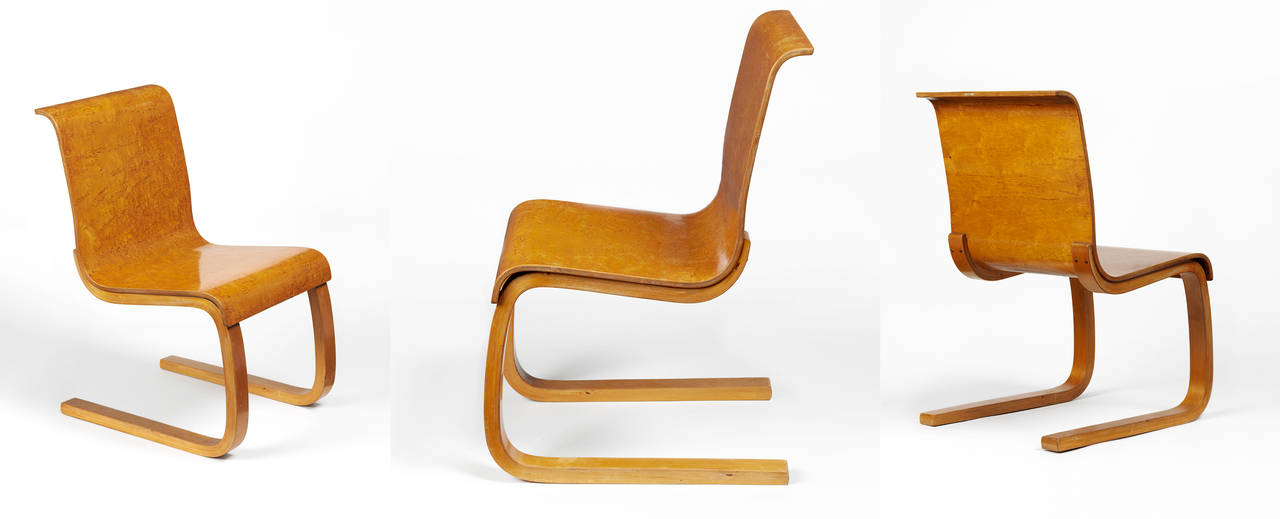
Alvar Aalto’s pioneering work demonstrated how furniture could express a deep connection to natural materials whilst embracing modern manufacturing techniques. His bentwood chairs and organic forms showed that industrial production need not sacrifice warmth or humanity. Museums worldwide, including the National Gallery of Victoria, continue to showcase these pioneering designs, testament to their lasting cultural significance.
Post-War Democratic Ideals
The post-war period saw Scandinavian furniture gain international recognition, particularly following landmark exhibitions in North America during the 1950s. Cooper Hewitt’s extensive documentation of the Scandinavian Modern movement reveals how Nordic designers championed the idea that beautiful, well-made furniture should be accessible to all, not merely the wealthy elite.
This democratic ethos shaped every aspect of design:
- Functionality prioritised over decoration
- Honest expression of materials and construction
- Affordable production methods without compromising quality
- Universal appeal transcending class boundaries
The movement flourished precisely because it addressed genuine human needs rather than fleeting fashion trends.
Core Principles Defining the Aesthetic
Scandinavian furniture embodies several interconnected design principles that distinguish it from other movements. These fundamentals have remained remarkably consistent even as interpretations evolve with contemporary needs and technologies.
Simplicity stands as the cornerstone principle. Every element serves a purpose, with ornamentation reserved only where it enhances function or celebrates material qualities. This restraint creates spaces that feel calm, uncluttered, and conducive to modern living.
Natural light plays a crucial role in Nordic interiors, reflecting the geographical reality of long winter months with limited daylight. Furniture designs accommodate and maximise available light through pale finishes, reflective surfaces, and low profiles that avoid blocking windows.
Material Honesty and Craftsmanship
Material honesty represents another defining characteristic. Wood grain remains visible through oil or lacquer finishes rather than hidden beneath heavy stains or paint. Joinery techniques become design features rather than concealed connections, celebrating the skill required to create durable furniture.
| Design Element | Traditional Approach | Scandinavian Approach |
|---|---|---|
| Surface finish | Heavy stain/paint | Natural oil/clear lacquer |
| Joinery | Hidden connections | Visible craftsmanship |
| Form | Ornamental details | Essential geometry |
| Material selection | Exotic/imported | Local/sustainable |
This transparency builds trust between maker and user, revealing the quality and care invested in each piece.
Sustainable Materials in Contemporary Production
Sustainability has become increasingly central to Scandinavian furniture production in 2026, though the movement’s environmental consciousness predates current trends by decades. Nordic designers have long favoured local, renewable materials over imported exotics, driven partly by geography and partly by cultural values.
Solid wood remains the material of choice, particularly oak, pine, ash, and birch native to Nordic forests. These species offer excellent durability whilst supporting responsible forestry when sourced through certification programmes. Environmental agencies now emphasise the importance of wood furniture in reducing carbon footprints compared to plastic or metal alternatives.
FSC certification has become standard for premium manufacturers, ensuring that timber originates from responsibly managed forests where harvesting rates do not exceed regeneration. This approach guarantees that furniture production contributes to forest health rather than degradation.
Material Selection and Environmental Impact
Different wood species offer distinct characteristics suited to various applications:
- Oak provides exceptional strength and attractive grain patterns ideal for structural pieces
- Pine offers lighter weight and faster growth cycles for sustainable harvesting
- Birch delivers fine grain and pale colour perfect for Scandinavian aesthetics
- Smoked or heat-treated woods achieve rich tones without chemical stains
Modern finishing techniques further enhance sustainability. Natural oils and water-based lacquers have largely replaced solvent-heavy varnishes, reducing volatile organic compound emissions whilst maintaining protective qualities. These finishes allow wood to breathe and age gracefully, developing character over decades rather than requiring replacement.
Modular Design and Functional Flexibility
Modularity represents one of Scandinavian furniture’s most practical contributions to contemporary living. Rather than fixed, single-purpose pieces, Nordic designers favour systems that adapt to changing needs and spaces.
This approach manifests across furniture categories. Storage systems expand vertically or horizontally as collections grow. Dining configurations accommodate intimate dinners or large gatherings through extension mechanisms and supplementary seating. The philosophy recognises that life circumstances evolve, and furniture should evolve accordingly rather than becoming obsolete.
Versatility extends beyond physical reconfiguration to aesthetic adaptability. Neutral finishes and timeless forms integrate seamlessly with various decorating styles, from strictly minimalist to warmly layered interiors. This flexibility explains why Scandinavian furniture transcends trend cycles, remaining relevant through decades of changing tastes.
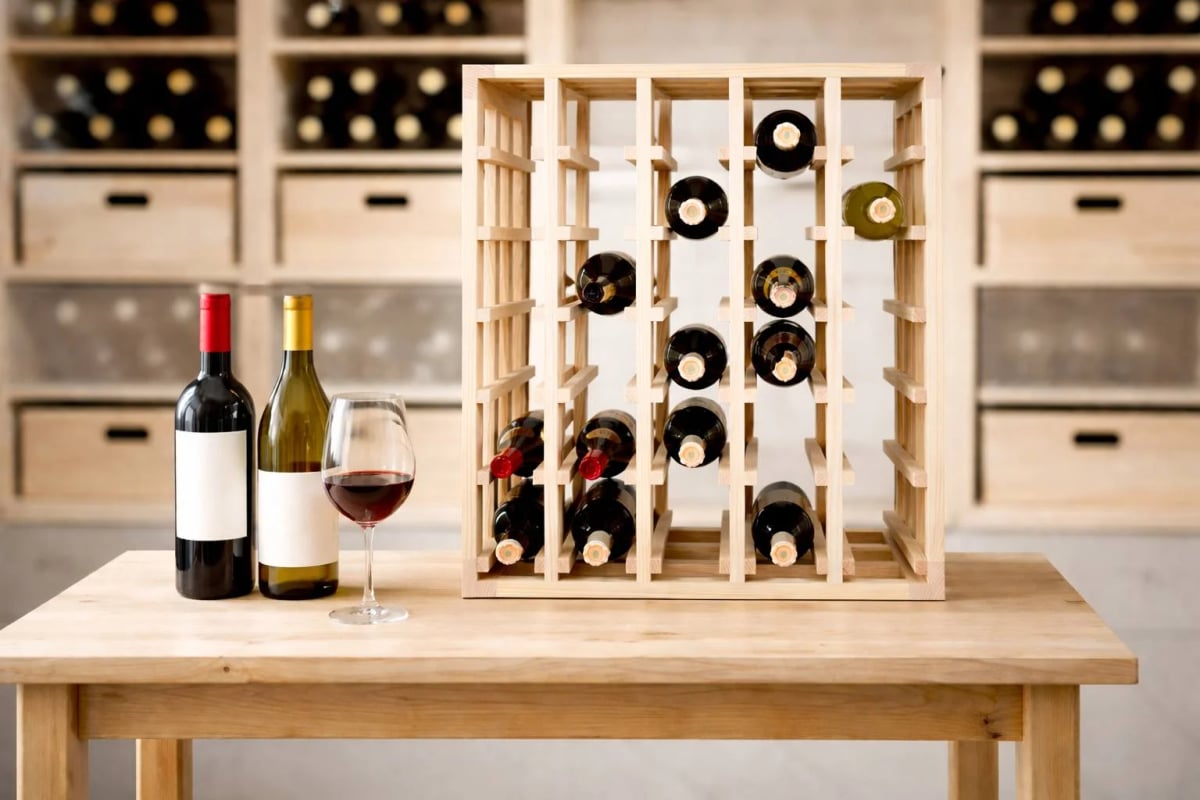
For wine enthusiasts seeking elegant storage solutions, modular approaches prove particularly valuable. Systems can begin with capacity for a modest collection and expand systematically as appreciation deepens, maintaining visual coherence whilst accommodating growth.
Space Efficiency in Urban Environments
As European cities grow denser and living spaces shrink, the space efficiency inherent in Scandinavian furniture becomes increasingly valuable. Multi-functional pieces serve dual purposes without visual bulk. Wall-mounted designs preserve floor space whilst providing essential storage or surface area.
The economic impact of Scandinavian furniture extends beyond individual purchases to national industries. Denmark’s furniture sector analysis demonstrates how design excellence drives export success, with Nordic manufacturers competing globally based on quality and innovation rather than price alone.
Craftsmanship and Made-to-Order Production
Traditional craftsmanship remains central to authentic Scandinavian furniture, even as manufacturing technologies advance. The finest pieces combine time-honoured joinery techniques with modern precision equipment, ensuring consistency without sacrificing the human touch that distinguishes exceptional furniture.
Mortise and tenon joints create invisible strength in table and chair construction, while dovetails secure drawer fronts with mechanical elegance. These techniques require skilled hands and years of experience, representing knowledge passed through generations of Nordic craftspeople.
Made-to-order production has experienced resurgence in 2026 as consumers increasingly value customisation and sustainability. This approach eliminates speculative manufacturing waste, producing furniture only when genuine demand exists. Customers benefit from pieces tailored to specific dimensions, finish preferences, and functional requirements.
Customisation Benefits
- Perfect sizing for awkward spaces or specific requirements
- Material and finish selection matching existing interiors
- Configuration options addressing individual storage needs
- Investment in unique pieces rather than mass-produced standards
Quality control improves dramatically when craftspeople create individual pieces with full attention rather than managing assembly lines. Each stage receives appropriate time and scrutiny, ensuring that finished furniture meets exacting standards before delivery.
Colour Palettes and Surface Treatments
Scandinavian furniture colour schemes reflect Nordic landscapes and light conditions. Pale woods echo birch forests and sandy coastlines, whilst darker smoked finishes recall winter evenings and aged timber structures. These natural references create inherent harmony with the environments they inhabit.
White, grey, and blonde wood tones dominate, maximising light reflection in interiors challenged by long winter darkness. Accent colours, when present, tend toward muted earth tones or the deep blues and greens of Nordic seas and forests. This restraint prevents visual fatigue, allowing furniture to serve as a calming backdrop to daily life.
Surface treatments balance protection with tactile quality. Heavy, glossy finishes that create plastic-like surfaces find little favour in Nordic design. Instead, oils and matte lacquers preserve wood’s natural texture, inviting touch and developing subtle patina over years of use.
| Finish Type | Characteristics | Best Applications |
|---|---|---|
| Natural oil | Enhances grain, requires maintenance | Tables, desktops, high-touch surfaces |
| Hardwax oil | Durable, easy touch-ups | Flooring, heavily used furniture |
| Matte lacquer | Low maintenance, consistent appearance | Cabinetry, shelving, vertical surfaces |
| Soap treatment | Traditional Nordic method, pale finish | Historical reproductions, pine furniture |
Integration in Contemporary Commercial Spaces
Scandinavian furniture has transcended residential applications to become equally prevalent in commercial environments. Hotels, restaurants, offices, and retail spaces worldwide embrace Nordic aesthetics for their ability to create welcoming, sophisticated atmospheres.
Hotels favour Scandinavian furniture for its durability and timeless appeal that avoids dated appearance within a few years. Guest rooms furnished with quality Nordic pieces convey understated luxury whilst maintaining practical functionality through countless occupancies.
Restaurants benefit from the movement’s emphasis on comfortable seating and efficient space utilisation. Dining chairs designed to support extended meals without discomfort enhance patron experience, whilst clean-lined tables adapt to various service styles from fine dining to casual gatherings.
Office and Workplace Applications
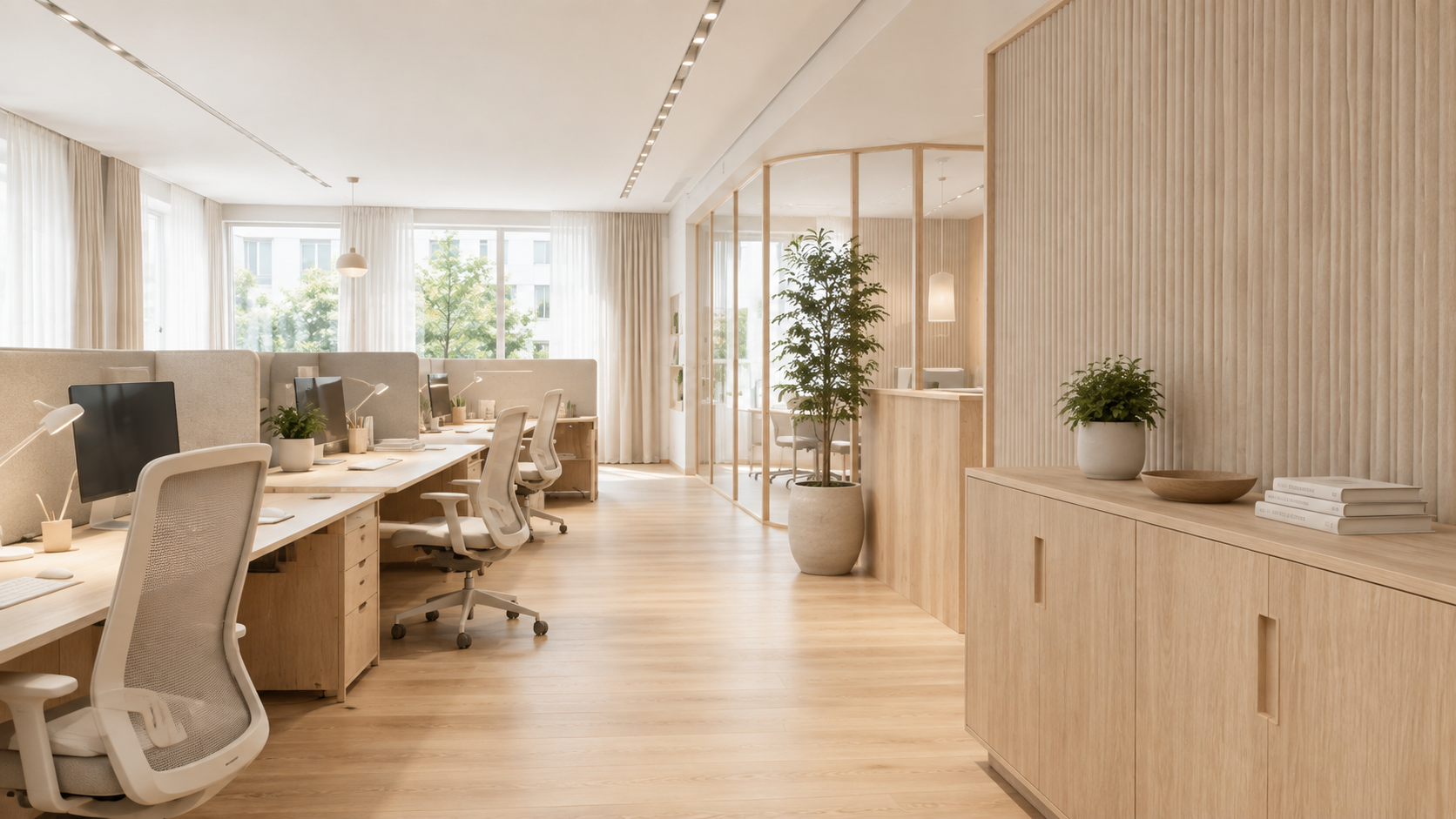
Modern workplaces increasingly adopt Scandinavian furniture principles as understanding grows regarding environment’s impact on productivity and wellbeing. Natural materials, ergonomic forms, and acoustic considerations create spaces where concentration and collaboration both thrive.
Acoustic panels crafted from solid wood combine sound absorption with visual warmth, addressing the noise challenges of open-plan offices whilst maintaining biophilic design principles. Room dividers provide privacy and territory definition without the permanent commitment or expense of constructed walls.
For businesses seeking to elevate their commercial interiors across Europe, partnering with manufacturers who specialise in handcrafted solutions ensures that furniture meets both aesthetic and functional requirements specific to hospitality and workplace environments.
Maintenance and Longevity Considerations
One of Scandinavian furniture’s greatest sustainability credentials lies in exceptional longevity. Properly maintained pieces serve for generations rather than requiring replacement every few years, dramatically reducing lifecycle environmental impact and long-term cost.
Regular maintenance requirements remain modest for quality pieces:
- Dust with soft, dry cloths to prevent abrasive particle accumulation
- Address spills immediately with barely damp cloths, drying thoroughly
- Refresh oiled surfaces annually or as needed with appropriate products
- Keep furniture from direct radiator heat or prolonged sunlight exposure
- Use protective pads beneath decorative objects to prevent surface marking
Minor damage often repairs easily compared to veneered or laminated furniture. Solid wood surfaces can be sanded and refinished locally rather than requiring complete replacement. This reparability extends useful life whilst maintaining appearance.
Investment Value Over Time
Whilst initial purchase prices for authentic Scandinavian furniture exceed mass-produced alternatives, cost-per-year calculations reveal superior value. A well-made solid oak dining table purchased in 2026 will likely serve through 2076 and beyond, potentially outlasting several generations of cheaper replacements.
Vintage Scandinavian furniture from mid-century masters now commands premium prices in auction houses and specialist dealers, demonstrating how quality design appreciates rather than depreciates. Contemporary pieces made with equivalent care and materials represent similar long-term investments.
The Role of Light and Spatial Harmony
Scandinavian furniture design cannot be separated from its relationship with light and space. Northern latitudes experience dramatic seasonal light variation, from near-perpetual summer daylight to minimal winter sun. Furniture design responds to these conditions through forms and finishes that maximise and celebrate available illumination.
Low-profile seating and tables avoid blocking precious window light, keeping interiors bright even when furnishings occupy significant floor area. Glass or open-backed storage units maintain visual permeability, allowing light to penetrate room depths.
Reflective finishes on pale woods bounce light throughout spaces, effectively multiplying the impact of each natural or artificial source. This consideration proves particularly valuable in older European buildings where windows may be smaller or less numerous than contemporary standards dictate.
Creating Cohesive Interior Environments
Spatial harmony emerges from careful scale relationships and restrained material palettes. Rather than filling rooms with disparate furniture pieces, Scandinavian approaches favour fewer, better items that relate proportionally to architecture and one another.
Negative space receives as much consideration as occupied areas. Empty floor and wall surfaces provide visual rest, preventing the cluttered anxiety that contradicts Nordic design philosophy. This discipline creates calm environments that support mental clarity and relaxation.
Regional Variations Within Scandinavia
Whilst unified by common principles, Scandinavian furniture exhibits subtle regional characteristics reflecting each nation’s cultural identity and material traditions.
Danish design tends toward refined elegance, with sculptural forms that celebrate woodworking virtuosity. Wegner’s chairs exemplify this approach, where each curve and joint demonstrates absolute mastery.
Swedish furniture often incorporates painted finishes and lighter construction, influenced by historic folk traditions and the Gustavian period’s French-inspired neoclassicism. The democratic ideals of accessible design found particularly strong expression in Swedish manufacturers.
Finnish design emphasises the relationship between built environments and harsh natural conditions, resulting in particularly robust construction and organic forms inspired by lakes and forests. Exhibition scholarship from Finnish museums reveals the deep cultural connections between material culture and landscape.
Norwegian furniture reflects maritime traditions and mountain geography through sturdy construction and functional pragmatism. Decorative elements, when present, often reference Viking heritage or folk art traditions.
These variations enrich the overall movement whilst maintaining fundamental Nordic values of quality, functionality, and honest materials.
Contemporary Interpretations and Innovation
Scandinavian furniture in 2026 continues evolving whilst honouring foundational principles. Contemporary designers reference mid-century masterworks whilst incorporating new materials, technologies, and environmental insights unavailable to earlier generations.
Digital fabrication enables precision previously achievable only through laborious handwork, though skilled craftspeople remain essential for assembly, finishing, and quality assessment. CNC routers execute complex joinery with perfect repeatability, freeing artisans to focus on aspects requiring human judgement and tactile sensitivity.
Sustainable innovation extends to production processes beyond material selection. Renewable energy powers workshops, whilst waste streams feed biomass heating systems or return to forests as mulch. Water-based adhesives and finishes eliminate toxic off-gassing concerns.
Balancing Tradition and Progress
The challenge for contemporary Scandinavian furniture makers lies in embracing beneficial innovations whilst avoiding technologies that compromise the human-scale warmth and tactile quality that define the aesthetic. Furniture that appears machine-made rather than handcrafted, regardless of actual production methods, fails to satisfy Nordic design values.
This balance manifests in workshops combining traditional bench tools with modern machinery, where craftspeople exercise judgement regarding which approach best serves each task. The goal remains consistent: producing furniture of exceptional quality that will serve users beautifully for decades.
Scandinavian furniture endures because it addresses timeless human needs for beauty, functionality, and connection to natural materials through honest craftsmanship and sustainable practices. As we navigate increasingly complex lives in 2026, the Nordic emphasis on simplicity, quality, and environmental responsibility offers valuable guidance for creating harmonious living and working environments. Whether you’re furnishing a home, restaurant, hotel, or office across Europe, Museliving combines these Scandinavian design principles with exceptional handcrafted quality, offering customisable solid wood furniture made to order from sustainably sourced materials that will serve your space beautifully for generations to come.