



Wine storage has evolved significantly over the centuries, yet one principle remains constant: the horizontal orientation provides optimal conditions for preserving wine quality. Whether you’re a casual wine enthusiast or a serious collector, understanding the benefits and features of a horizontal wine rack transforms how you store and display your collection. This comprehensive guide explores everything from the science behind horizontal storage to selecting the perfect rack for your home or commercial space.
The Science Behind Horizontal Wine Storage
The horizontal wine rack exists for compelling scientific reasons rather than mere aesthetic preference. When bottles rest horizontally, the wine maintains constant contact with the cork, preventing it from drying out and shrinking. A dried cork allows air to seep into the bottle, causing oxidation that ruins even the finest vintages.
Cork Preservation and Wine Quality
Natural cork requires consistent moisture to maintain its seal. Horizontal storage keeps corks moist and prevents oxidation, ensuring your wine ages gracefully rather than deteriorating prematurely. The cork’s cellular structure contains millions of tiny air pockets that compress when inserted into the bottle neck. When kept moist, these cells remain pliable and expanded, creating an airtight seal that protects the wine from environmental factors.
Professional sommeliers and cellar masters universally recommend horizontal storage for wines intended for ageing. The position also minimizes sediment disturbance in older wines, allowing deposits to settle along the bottle’s side rather than swirling throughout the liquid. This natural settling process makes decanting easier and improves the drinking experience when you finally open that special bottle.
Material Selection for Longevity and Performance
Choosing the right material for your horizontal wine rack significantly impacts its durability, aesthetic appeal, and functional performance. Different materials offer distinct advantages depending on your storage environment and design preferences.
Solid Wood: The Premium Choice
FSC-certified solid wood represents the gold standard for wine rack construction. Oak, particularly European oak, provides exceptional strength whilst developing a beautiful patina over time. The natural properties of wood help regulate humidity levels, creating a stable micro-environment around your bottles.
Key benefits of solid wood racks include:
Natural humidity regulation
Superior structural integrity
Timeless aesthetic appeal
Compatibility with various interior styles
Enhanced thermal insulation
Smoked oak and burnt pine finishes offer unique visual character whilst maintaining the functional benefits of solid wood construction. These treated woods undergo specialized processes that enhance their natural resistance to moisture and temperature fluctuations, making them particularly suitable for wine storage applications.
Alternative Materials and Their Applications
Metal racks, typically constructed from powder-coated steel or wrought iron, excel in modern or industrial-style spaces. They offer robust support for large collections and resist warping under weight. However, metal lacks the natural insulation properties of wood and may require additional climate control in temperature-sensitive environments.
Material choices like mahogany and redwood resist mold and rot, making them excellent alternatives for high-humidity cellars. Acrylic and glass racks provide contemporary visual appeal but require careful consideration of weight distribution and structural support.
Material | Durability | Aesthetic | Humidity Control | Price Range |
|---|---|---|---|---|
Oak | Excellent | Classic | Superior | Premium |
Pine | Very Good | Rustic | Good | Moderate |
Metal | Excellent | Modern | Poor | Variable |
Acrylic | Good | Contemporary | None | Moderate |
Design Configurations and Capacity Planning
Modern horizontal wine rack systems offer remarkable flexibility through modular design approaches. Understanding configuration options helps you create storage solutions that grow with your collection whilst maximizing available space.
Modular Systems for Scalable Storage
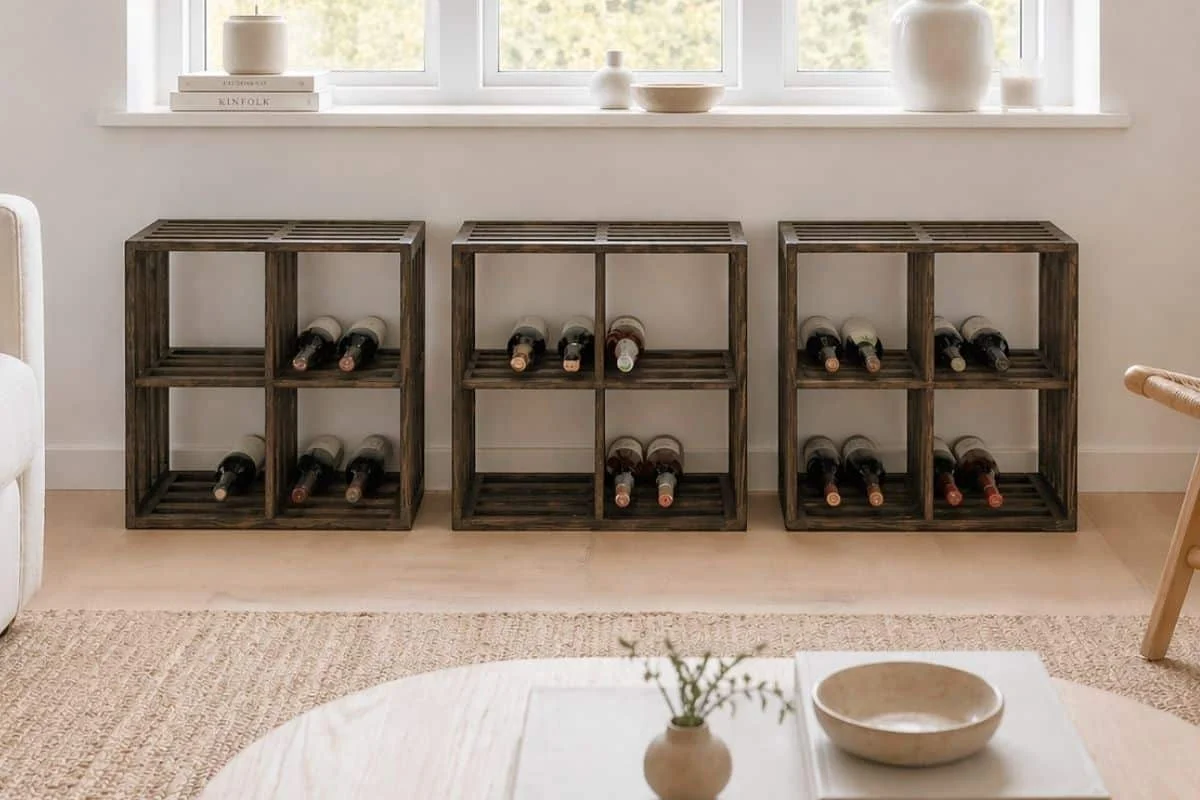
Modular wine racks allow you to start small and expand systematically. Individual units connect seamlessly, creating custom configurations that adapt to walls, alcoves, or dedicated cellar spaces. This approach proves particularly valuable in homes where wine collecting habits evolve over time.
Freestanding units offer portability and versatility, adapting to different rooms or properties as your needs change. Corner configurations utilize otherwise wasted space, whilst under-stair installations transform awkward areas into functional wine storage.
Calculating Your Storage Requirements
Before selecting a horizontal wine rack, accurately assess your current collection and anticipated growth. Professional collectors typically plan for 30-50% expansion capacity beyond their existing inventory. Consider bottle sizes as well; standard Bordeaux bottles require different spacing than Champagne or Burgundy formats.
Storage capacity planning checklist:
Count current bottle inventory by format
Estimate annual acquisition rate
Calculate 5-year projected collection size
Factor in special formats (magnums, splits)
Allow 20% additional capacity for flexibility
Commercial installations for restaurants, hotels, or wine bars require different capacity calculations based on inventory turnover rates and display requirements. These environments often benefit from combination systems incorporating both storage and presentation areas.
Optimal Placement and Environmental Considerations
Location dramatically affects wine storage success regardless of rack quality. The horizontal wine rack performs best when positioned in environments that naturally support proper wine ageing conditions.
Temperature and Humidity Requirements
Ideal wine storage maintains consistent temperatures between 10-15°C with minimal fluctuations. Humidity levels should remain between 60-70% to prevent cork drying without encouraging mold growth. Basements, cellars, and purpose-built wine rooms typically provide these conditions naturally.
Avoid placing racks near heat sources, direct sunlight, or appliances generating vibration. Washing machines, boilers, and exterior walls subject to temperature swings create unsuitable storage conditions. North-facing rooms in European climates generally offer more stable temperatures than south-facing spaces receiving intense afternoon sun.
For those creating custom wine storage solutions, professional assessment of environmental conditions ensures optimal rack placement. Advanced collectors often install climate control systems maintaining precise conditions year-round.
Lighting and Display Considerations
Ultraviolet light degrades wine over time, making lighting selection crucial for visible storage areas. LED systems producing minimal heat and UV emissions provide safe illumination for wine displays. Design tips for creating stunning wine walls emphasize proper lighting placement that showcases bottles without compromising storage conditions.
Ambient lighting should remain subdued, with focused accent lighting highlighting specific areas or premium bottles. Motion-activated systems reduce overall light exposure whilst providing illumination when accessing your collection.
Maintenance and Long-Term Care
Quality horizontal wine racks require minimal maintenance when properly constructed and positioned. Regular care ensures structural integrity and protects your valuable wine investment over decades.
Routine Inspection and Cleaning
Inspect rack stability quarterly, checking connections, supports, and weight distribution. Wood racks benefit from annual treatment with food-safe oils maintaining moisture resistance and preventing cracking. Avoid harsh chemicals or excessive moisture during cleaning; dry microfiber cloths remove dust effectively without damaging finishes.
Check individual bottle positions periodically, ensuring proper contact between wine and cork. Bottles stored for extended periods may develop sediment requiring careful rotation or repositioning. Metal components should be examined for corrosion, particularly in high-humidity environments.
Addressing Common Issues
Warping occasionally occurs in wood racks subject to significant humidity fluctuations. Early intervention prevents permanent deformation; remove bottles from affected sections and allow the wood to stabilize before reloading. Structural reinforcement may be necessary for heavily loaded racks showing stress signs.
Label deterioration affects bottles stored horizontally for years. Consider photographing or cataloguing bottles digitally, maintaining records independent of physical labels. Professional collectors often use wine management software tracking acquisition dates, optimal drinking windows, and storage locations within larger collections.
Commercial Applications and Hospitality Solutions
Restaurants, hotels, and wine bars require horizontal wine rack systems balancing storage efficiency with visual impact. Commercial installations differ significantly from residential applications in scale, accessibility, and regulatory requirements.
Restaurant and Bar Installations
Hospitality environments benefit from display-oriented horizontal systems presenting wines attractively whilst maintaining proper storage conditions. Back-bar installations combine working inventory with visual merchandising, encouraging customer engagement and higher-value selections.
High-capacity storage areas separate from dining spaces accommodate bulk inventory whilst featured wines occupy prominent display positions. This dual-approach maximizes storage efficiency without overwhelming guest areas with excessive bottle counts. Temperature-controlled wine walls create dramatic focal points in upscale establishments, demonstrating commitment to proper wine care.
Hotel and Resort Applications
Luxury hotels increasingly incorporate wine storage as amenity features, from in-room racks in premium suites to elaborate cellar displays showcasing extensive collections. These installations require robust construction supporting frequent access whilst maintaining elegant appearances matching overall interior design schemes.
Corporate hospitality suites and conference facilities utilize modular horizontal systems creating flexible entertaining spaces. Configurations adapt to different event requirements, scaling from intimate tastings to large receptions whilst maintaining professional presentation standards.
Sustainable Manufacturing and Environmental Responsibility
Contemporary wine enthusiasts increasingly prioritize sustainability when selecting storage solutions. The horizontal wine rack market responds with environmentally conscious manufacturing practices and responsible material sourcing.
FSC Certification and Responsible Forestry
Forest Stewardship Council certification guarantees wood originates from responsibly managed forests balancing environmental, social, and economic considerations. This certification ensures your wine rack contributes to sustainable forestry rather than deforestation or habitat destruction.
European manufacturers increasingly adopt circular economy principles, utilizing production waste for energy generation or recycled products. Water-based finishes and natural oils replace toxic chemicals, creating healthier indoor environments whilst reducing manufacturing environmental impact.
Longevity as Sustainability
Premium construction techniques and quality materials ensure horizontal wine racks last decades rather than years. This longevity represents genuine sustainability, avoiding disposal and replacement cycles associated with cheaper alternatives. Handcrafted solid wood racks often appreciate aesthetically with age, developing character impossible to replicate in mass-produced alternatives.
Modular designs extend useful life by adapting to changing needs rather than requiring complete replacement. Components can be refinished, repaired, or reconfigured, maintaining functionality through decades of service. This approach aligns with Scandinavian design philosophy emphasizing timeless aesthetics and enduring quality over temporary trends.
When choosing sustainable wine storage, Museliving Wine Racks exemplify how premium craftsmanship and environmental responsibility create superior products that enhance your home whilst respecting natural resources.
Custom Solutions for Unique Spaces
Standard dimensions suit many applications, yet custom horizontal wine rack solutions address challenging architectural features or specific collection requirements. Bespoke manufacturing accommodates unusual spaces whilst maintaining design integrity and functional performance.
Addressing Architectural Challenges
Sloped ceilings, irregular walls, and non-standard alcoves require customized approaches maximizing available space. Professional measurements ensure perfect fits avoiding gaps or unused areas. Custom solutions integrate seamlessly with existing architectural elements, appearing as integral design features rather than afterthought additions.
Under-stair installations present particular opportunities, transforming previously unused space into functional wine storage. These configurations require precise angle calculations ensuring bottles remain properly horizontal despite following staircase slopes. Reinforcement may be necessary supporting weight loads in non-traditional structural contexts.
Personalization and Finish Options
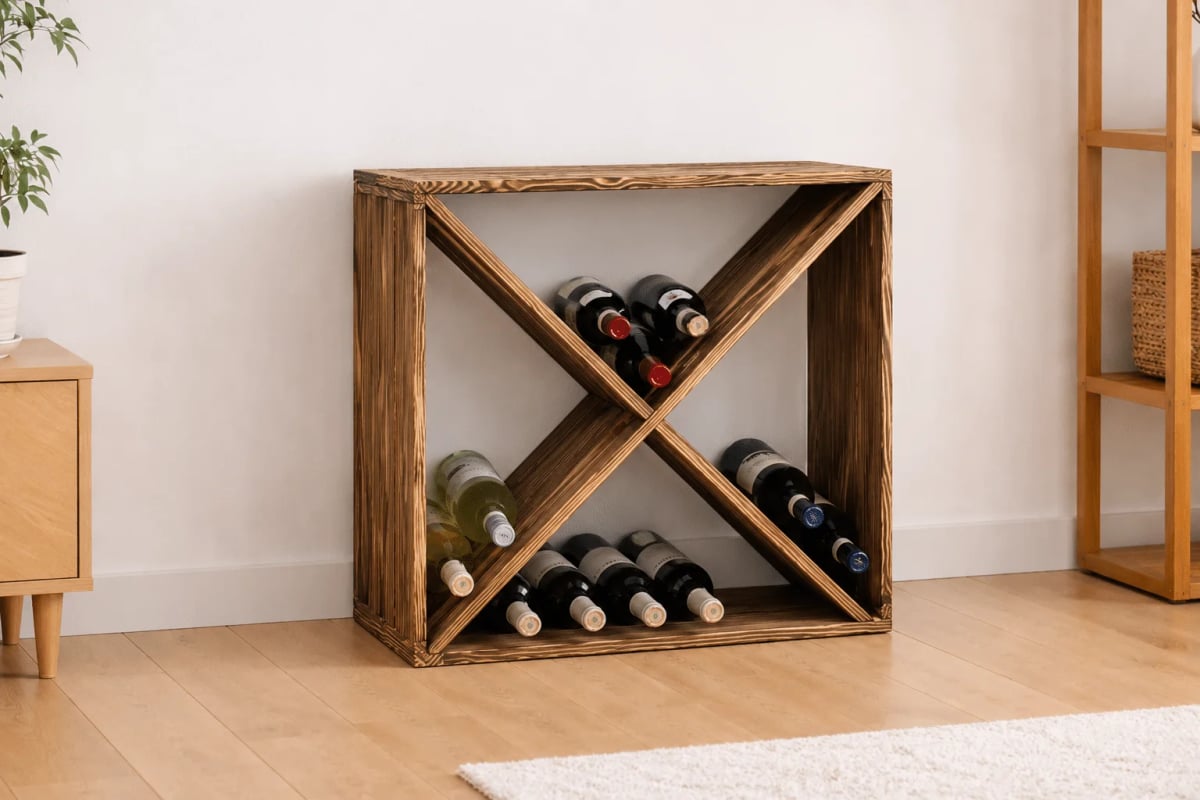
Beyond dimensional customization, finishes and details reflect individual preferences and interior design schemes. Natural oak provides warm, classic appeal suiting traditional and transitional spaces. Smoked oak delivers sophisticated depth perfect for contemporary environments, whilst burnt pine creates dramatic contrast in minimalist settings.
Hardware selections, edge treatments, and joinery details distinguish custom pieces from mass-produced alternatives. Invisible fixings maintain clean lines in modern installations, whilst decorative elements complement period properties or rustic themes. Choosing the perfect wine rack involves balancing functional requirements with aesthetic preferences creating storage solutions enhancing your living environment.
Installation Considerations and Professional Support
Proper installation ensures horizontal wine rack safety, functionality, and longevity. Whether mounting wall systems or positioning freestanding units, attention to installation details prevents future problems and maximizes performance.
Wall-Mounted System Requirements
Wall-mounted horizontal racks require secure fixing into structural elements rather than plasterboard alone. Locate studs or masonry using appropriate detection methods, then use fixings rated for weights significantly exceeding your loaded rack capacity. Professional installers typically specify safety factors of 3:1 or greater, ensuring robust support under maximum loading.
Distribution of weight across multiple fixing points prevents localized stress concentration potentially causing failures. Brackets should align precisely maintaining level installation preventing bottles from rolling or shifting. Proper installation and bottle orientation ensure optimal storage conditions and structural integrity throughout the rack’s service life.
Freestanding Stability and Safety
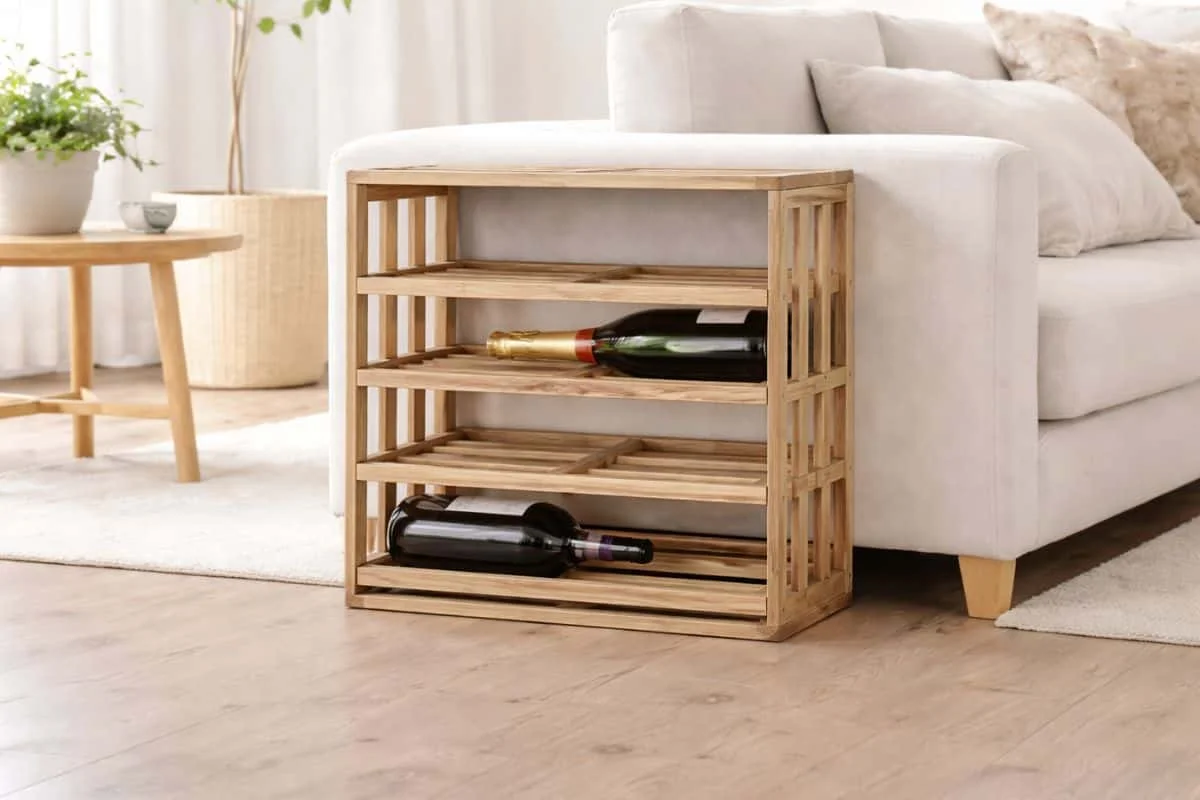
Freestanding horizontal wine racks require level flooring and adequate base dimensions preventing tipping. Tall units benefit from wall anchoring providing additional stability, particularly in earthquake-prone regions or homes with young children. Weight distribution matters; load lower sections first, working upward as collection grows.
Position freestanding racks allowing adequate clearance for bottle removal and replacement. Minimum 60cm access space prevents awkward reaching or accidental bottle dislodgement during selection. Consider future access needs; racks positioned in corners or alcoves may prove difficult to reach as collections expand.
Investment Value and Cost Considerations
Quality horizontal wine rack systems represent significant investments deserving careful evaluation. Understanding cost factors and long-term value helps identify solutions balancing budget constraints with performance expectations.
Price Determinants and Quality Indicators
Material quality primarily drives pricing variations between wine racks. Solid hardwoods command premium prices reflecting superior durability and aesthetic qualities. Construction methods matter equally; dovetail joints and mortise-tenon connections outlast simpler joining techniques, justifying higher initial costs through extended service lives.
Handcrafted pieces incorporate expertise and attention to detail impossible in mass production. These human elements create unique character whilst ensuring structural integrity through traditional techniques proven over centuries. Made-to-order manufacturing eliminates inventory costs but requires patience; typical lead times range from 4-8 weeks for custom solid wood installations.
Cost comparison framework:
Factor | Budget Option | Premium Option | Impact on Value |
|---|---|---|---|
Material | Composite/Pine | FSC Oak | Longevity +50 years |
Construction | Machine-made | Handcrafted | Quality assurance |
Finish | Standard stain | Natural oil | Maintenance ease |
Customization | Fixed sizes | Made-to-order | Perfect fit |
Origin | Mass-produced | European artisan | Sustainability |
Calculating Total Cost of Ownership
Initial purchase price represents only one component of total ownership cost. Factor in installation expenses, potential climate control modifications, and long-term maintenance requirements. Quality racks require minimal ongoing investment beyond occasional cleaning and inspection, whilst cheaper alternatives may need replacement within years.
Consider the value of stored wine when budgeting storage solutions. A modest collection worth several thousand pounds deserves protection exceeding basic rack costs. Premium storage prevents wine spoilage potentially costing far more than initial rack investment.
Future-Proofing Your Wine Storage
Anticipating future needs prevents costly modifications or replacements as collections evolve. Strategic planning creates flexible systems accommodating growth whilst maintaining optimal storage conditions throughout your wine journey.
Modular Expansion Strategies
Begin with core modules satisfying immediate requirements whilst designing expansion pathways. Maintain consistency in materials, finishes, and manufacturers ensuring aesthetic cohesion as systems grow. Document specifications and model numbers facilitating future matching purchases avoiding discontinuation issues.
Reserve wall space or floor areas for anticipated expansion rather than maximizing initial installation. This restraint provides growth capacity without requiring relocations or architectural modifications. Exploring modular wine rack options reveals systems specifically designed for systematic expansion maintaining design integrity throughout collection development.
Technology Integration
Modern wine management increasingly incorporates technology tracking inventory, monitoring conditions, and alerting collectors to optimal drinking windows. Consider infrastructure supporting sensors, cameras, or inventory management devices when designing storage areas. Discrete cable management and power access points integrate technology without compromising aesthetic appeal.
Climate monitoring systems protect valuable collections through real-time temperature and humidity tracking. These devices connect with smartphone applications providing alerts during environmental fluctuations requiring intervention. Integration planning during initial installation proves simpler and less expensive than retrofitting existing systems.
Selecting the right horizontal wine rack involves balancing scientific storage principles with personal aesthetic preferences and practical space constraints. Quality construction using sustainable materials ensures your investment protects wine collections whilst enhancing interior spaces for decades. Museliving specializes in handcrafted solid wood wine racks combining Scandinavian design principles with premium European craftsmanship, creating modular storage solutions tailored to your exact specifications. Every piece is manufactured to order using FSC-certified materials, ensuring your wine storage reflects both environmental responsibility and uncompromising quality standards. Discover how our customizable systems transform wine storage into elegant interior features worthy of your collection.