



A pine wine rack represents an elegant intersection of sustainable materials, functional design, and timeless craftsmanship. As wine enthusiasts and interior designers increasingly seek environmentally conscious storage solutions, pine emerges as a compelling choice that balances affordability with aesthetic appeal. This softwood offers unique characteristics that make it particularly suitable for wine storage, from its natural grain patterns to its exceptional workability, allowing craftsmen to create bespoke pieces that complement diverse interior styles while maintaining the structural integrity required for safely storing valuable wine collections.
Understanding Pine Wood Characteristics for Wine Storage
Pine stands as one of the most versatile softwoods in furniture manufacturing, offering distinct advantages for wine rack construction. The wood’s relatively low density makes it easier to work with during the crafting process, allowing for intricate joinery and modular designs that adapt to various spaces. According to comprehensive analyses of pine wood furniture strength, this material demonstrates sufficient structural capability when properly treated and assembled, making it entirely suitable for wine storage applications.
The natural colour variations in pine create visual interest that enhances any interior. Fresh pine typically exhibits a pale yellow to light brown hue, which gradually develops a rich amber patina over time through exposure to natural light. This aging process adds character to each piece, ensuring your wine storage becomes more distinguished with age.
Density and Load-Bearing Capacity
When evaluating pine for wine rack applications, understanding its physical properties becomes essential:
Density range: 350-550 kg/m³ depending on species and growth conditions
Moisture content: Properly kiln-dried pine maintains 8-12% moisture content
Compressive strength: Adequate for supporting wine bottle weight when correctly engineered
Grain structure: Straight grain provides predictable stability and strength
A standard wine bottle weighs approximately 1.2-1.5 kilograms when filled. A well-designed pine wine rack easily accommodates this load across multiple bottles, provided the joinery employs proper techniques and the wood receives appropriate treatment. The key lies in distributing weight evenly across the structure and ensuring adequate material thickness at critical stress points.
Design Versatility and Aesthetic Appeal
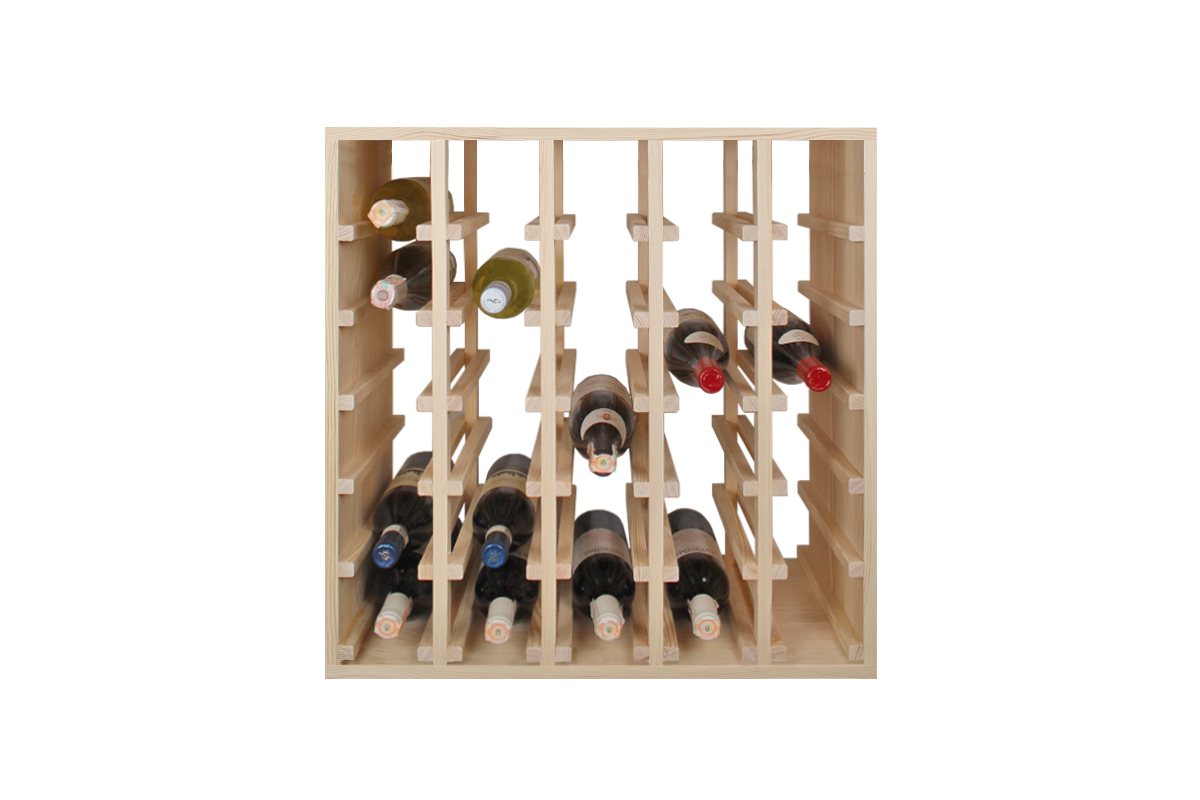
Pine’s workability opens remarkable possibilities for wine rack design. Craftsmen can shape this wood into everything from minimalist Scandinavian-inspired modular systems to ornate traditional storage units. The material accepts stains, oils, and finishes exceptionally well, allowing customisation to match existing furniture or create striking contrasts within a room.
Modern Scandinavian design principles particularly suit pine construction. Clean lines, functional minimalism, and emphasis on natural materials align perfectly with pine’s inherent characteristics. This design philosophy creates wine storage solutions that serve their purpose efficiently whilst contributing to overall interior harmony rather than dominating the visual landscape.
Finish Options and Surface Treatments
The choice of finish dramatically impacts both appearance and longevity:
Finish Type | Appearance | Durability | Maintenance |
|---|---|---|---|
Natural Oil | Enhances grain, warm tone | High | Annual reapplication |
Clear Varnish | Glossy, protective layer | Very High | Minimal |
Burnt/Charred | Dark, dramatic finish | Excellent | Occasional dusting |
Wax | Soft sheen, traditional | Moderate | Regular buffing |
Stain | Customisable colour | High | Low |
Burnt pine finishes have gained particular popularity in contemporary interiors. The charring process, known as Shou Sugi Ban when applied to specific woods, creates a protective carbonised layer that enhances durability whilst producing striking visual depth. This treatment transforms standard pine into a statement piece that commands attention in wine cellars, dining rooms, and hospitality settings.
Sustainability and Environmental Considerations
Choosing pine for wine storage aligns with environmentally conscious purchasing decisions. Pine forests grow relatively quickly compared to hardwoods, with harvest cycles typically ranging from 25-30 years depending on species and climate. This rapid renewal rate makes pine a renewable resource when sourced from responsibly managed forests.
FSC certification ensures the wood originates from forests managed according to strict environmental and social standards. These certifications verify that harvesting practices maintain biodiversity, protect water resources, and support local communities. When selecting a pine wine rack, confirming FSC certification provides assurance that your purchase supports sustainable forestry practices.
The carbon footprint associated with pine furniture production generally remains lower than hardwood alternatives. Processing softwoods requires less energy for cutting, shaping, and drying. Additionally, pine’s lighter weight reduces transportation emissions when shipping finished products across Europe and beyond.
Local Sourcing and European Production
European pine species, including Scots pine and Scandinavian varieties, offer excellent quality for furniture manufacturing. Sourcing materials locally within Europe significantly reduces environmental impact whilst supporting regional economies. Pine grown in cooler northern climates often exhibits tighter growth rings, resulting in denser, more durable wood particularly suited to furniture applications.
Manufacturing wine racks within Europe eliminates lengthy international shipping routes, further reducing carbon emissions. This localised production model also ensures greater quality control and enables custom modifications to meet specific customer requirements. For those seeking sustainable furniture solutions, locally produced pine wine racks represent an environmentally responsible choice without compromising on quality or design sophistication.
Practical Benefits for Wine Collection Management
Beyond aesthetics and sustainability, pine wine racks deliver functional advantages for wine storage and collection management. The material’s natural properties create a stable environment suitable for medium-term wine storage in temperature-controlled spaces. Whilst pine alone doesn’t regulate temperature or humidity, it provides a neutral framework that won’t introduce unwanted odours or chemicals that might compromise wine quality.
Modular Configuration Advantages
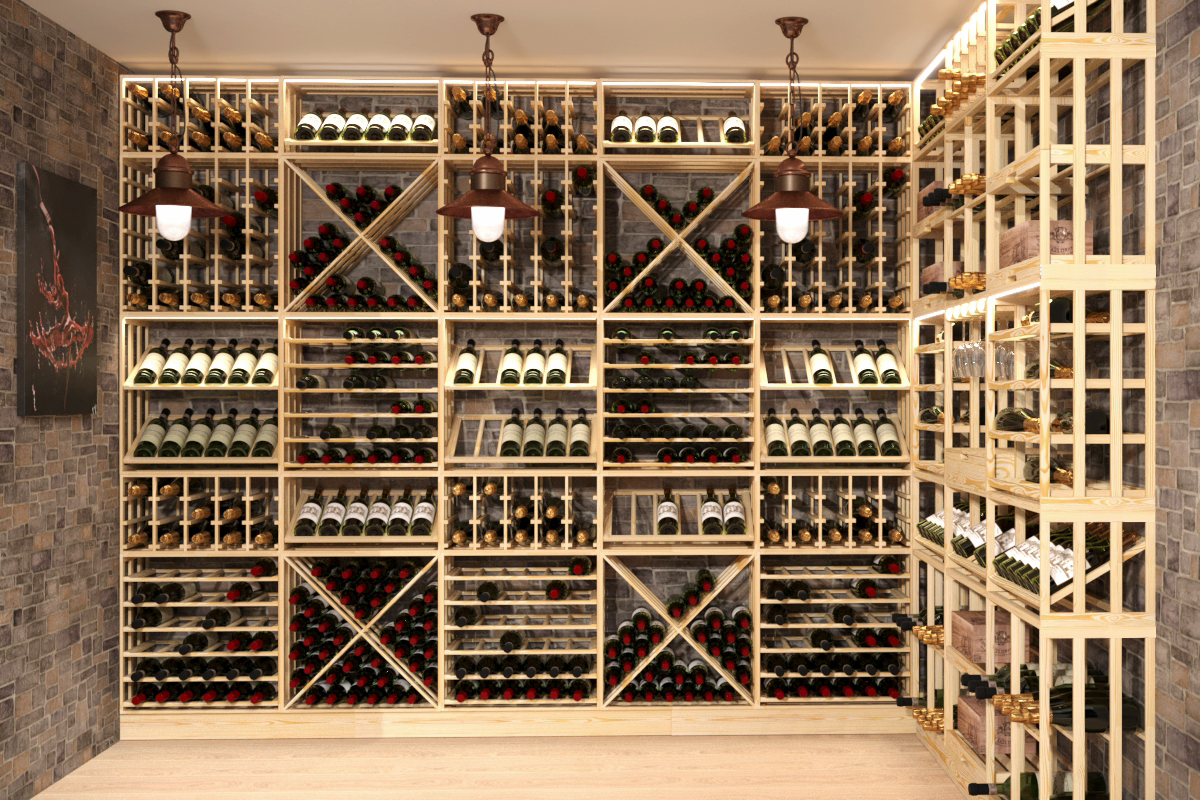
Modern pine wine rack systems embrace modularity, allowing collectors to expand storage capacity as their collections grow:
Start small: Begin with a compact unit holding 12-24 bottles
Assess needs: Evaluate collection growth patterns over 6-12 months
Add modules: Incorporate additional units that stack or connect seamlessly
Reconfigure: Adjust layout as space requirements or interior design evolves
Integrate features: Include display shelves, glass holders, or drawer modules
This flexibility proves particularly valuable in evolving spaces such as growing households, expanding restaurant wine programmes, or boutique hotels refining their guest experiences. The ability to customise dimensions ensures optimal space utilisation in challenging areas like under staircases, alcoves, or corner installations.
Maintenance and Longevity
Proper maintenance ensures a pine wine rack remains functional and attractive for decades. The wood’s relative softness, whilst advantageous during manufacturing, requires attention to prevent surface damage from impacts or moisture exposure. However, routine care proves straightforward and undemanding.
Regular dusting with a soft cloth prevents particle accumulation in grooves and joints. For oiled finishes, annual reapplication maintains protection and lustre. Avoid placing pine furniture in direct sunlight for extended periods, as this accelerates colour change, though many enthusiasts appreciate the warm patina that develops naturally over time.
Essential maintenance practices include:
Wiping spills immediately to prevent moisture absorption
Using coasters or mats under decanters and accessories
Maintaining stable humidity levels (40-60%) in storage areas
Inspecting joints annually for signs of loosening
Refreshing protective finishes according to manufacturer recommendations
Minor scratches or dents can often be addressed through light sanding and refinishing, a process far simpler with pine than with many hardwoods. This repairability extends the functional lifespan and allows wine racks to adapt to changing aesthetic preferences through refinishing in different colours or treatments.
Comparing Pine to Alternative Wood Species
Understanding how pine compares to other materials helps inform purchasing decisions. Whilst oak, walnut, and other hardwoods offer distinct characteristics, pine provides compelling advantages that make it particularly suitable for certain applications and budgets.
Wood Type | Hardness | Weight | Cost | Workability | Sustainability |
|---|---|---|---|---|---|
Pine | Soft | Light | Low-Medium | Excellent | High |
Oak | Hard | Heavy | High | Moderate | Moderate |
Walnut | Hard | Medium-Heavy | Very High | Good | Low-Moderate |
Ash | Hard | Medium | Medium-High | Good | Moderate |
Beech | Hard | Heavy | Medium | Moderate | Moderate |
The properties and applications of pine wood demonstrate its suitability for projects prioritising value, sustainability, and design flexibility. Whilst hardwoods excel in applications requiring extreme durability or specific aesthetic profiles, pine delivers outstanding performance for wine storage at a more accessible price point.
Commercial Applications in Hospitality Settings
Restaurants, wine bars, and hotels increasingly incorporate pine wine racks into their commercial interiors. The material’s cost-effectiveness enables larger installations within budget constraints, whilst its lighter weight simplifies installation processes. For establishments refreshing their décor regularly, pine’s affordability makes periodic updates financially viable.
In restaurant environments, visible wine storage serves both functional and marketing purposes. An attractively designed pine wine rack showcases bottle selections, encourages customer interest, and reinforces brand identity through thoughtful material choices. The natural, unpretentious character of pine particularly suits establishments emphasising organic, local, or sustainable dining philosophies.
Space Planning for Commercial Installations
Effective commercial wine rack planning considers multiple factors:
Traffic flow: Position racks to enhance rather than obstruct customer movement
Visibility: Ensure bottle labels remain readable from key vantage points
Accessibility: Allow staff efficient retrieval during service periods
Capacity planning: Calculate storage for current inventory plus 20-30% growth
Zoning: Separate everyday selections from premium or aged bottles
Custom-sized pine wine racks accommodate these requirements whilst integrating seamlessly with existing furniture and fixtures. The ability to specify exact dimensions ensures optimal space utilisation in varied commercial environments, from intimate bistros to extensive hotel wine cellars.
Craftsmanship and Construction Techniques
Quality pine wine rack construction employs traditional joinery methods combined with modern precision. Mortise-and-tenon joints, dowelling, and dado grooves create strong connections that withstand years of use. Avoiding excessive reliance on metal fasteners preserves the natural aesthetic whilst enhancing structural integrity through proven woodworking techniques.
Handcrafted production allows for quality control impossible in mass manufacturing. Skilled craftsmen select individual boards based on grain patterns, colour consistency, and absence of defects. This attention to detail results in wine racks that function as furniture pieces rather than mere storage solutions. According to guides on pine wood furniture, the wood’s natural characteristics make it particularly responsive to careful craftsmanship, allowing artisans to highlight its inherent beauty.
Made-to-Order Advantages
Manufacturing wine racks to order provides several benefits over purchasing stock items:
Precise dimensions: Fit exact spatial requirements without compromise
Finish selection: Choose stains, oils, or treatments matching existing décor
Capacity customisation: Specify bottle count and configuration preferences
Quality materials: Ensure FSC-certified, sustainably sourced wood
Design modifications: Incorporate personal touches or functional additions
This bespoke approach particularly benefits those with unique architectural features, specific capacity requirements, or particular aesthetic visions. The wine racks available through specialised manufacturers demonstrate how custom production creates solutions perfectly aligned with individual needs whilst maintaining the efficiency of skilled workshop production.
Integration with Interior Design Trends
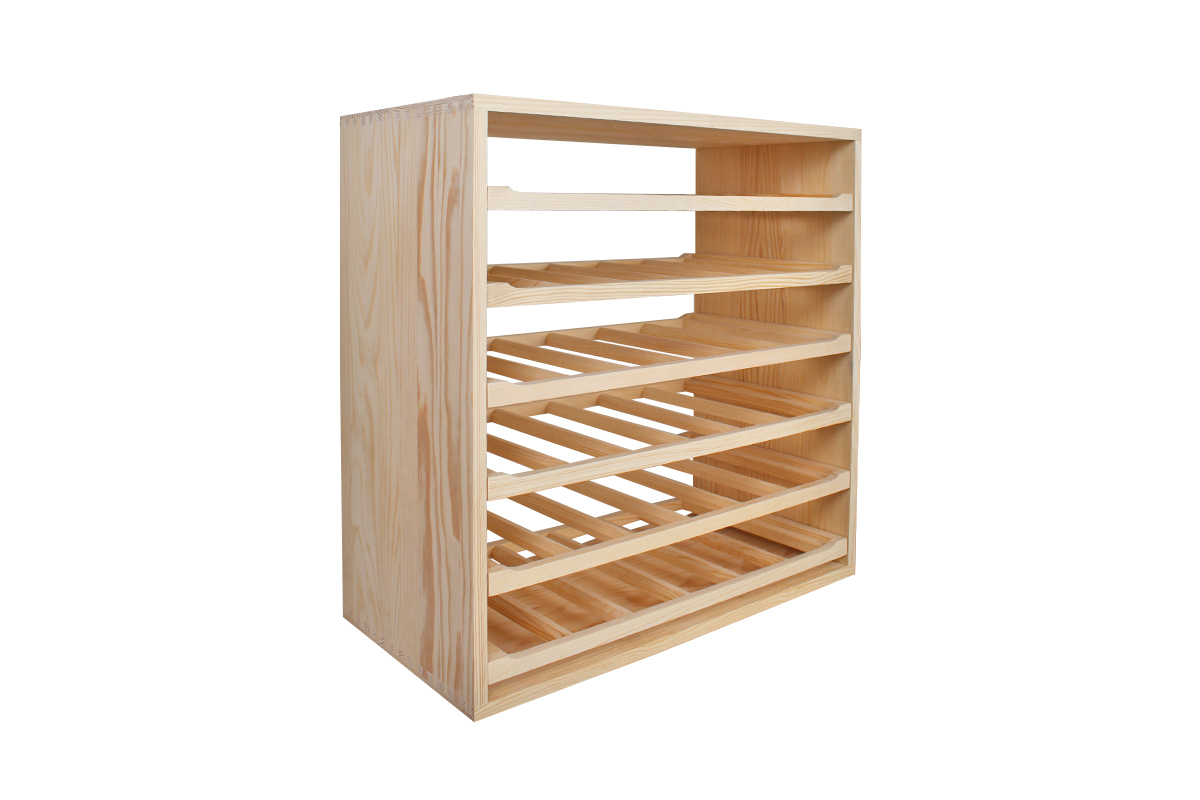
Contemporary interior design increasingly favours natural materials, sustainable production, and functional minimalism. A pine wine rack embodies these principles whilst providing practical storage. The wood’s warm tones complement diverse colour palettes, from crisp Scandinavian whites to rich industrial greys.
Biophilic design principles, which emphasise connections to natural elements, gain prominence across residential and commercial projects. Incorporating visible wood grain, organic textures, and sustainable materials responds to this trend whilst creating environments that feel welcoming and grounded. Pine’s unpretentious character suits this approach perfectly, avoiding the formality sometimes associated with darker hardwoods.
Colour Coordination Strategies
Successfully integrating pine wine storage requires consideration of surrounding elements:
Natural finish: Pairs beautifully with white walls, grey tones, and greenery
Burnt pine: Creates dramatic contrast in light-filled spaces
Stained pine: Coordinates with existing wood furniture in varied tones
Whitewashed pine: Enhances coastal, cottage, or Scandinavian themes
Oiled pine: Provides subtle warmth in neutral contemporary settings
The versatility of pine finishes enables seamless integration regardless of existing décor preferences. This adaptability proves particularly valuable in homes where design evolves over time, as pine wine racks transition gracefully between different stylistic periods.
Investment Value and Cost Considerations
Evaluating the investment value of a pine wine rack extends beyond initial purchase price. Whilst pine typically costs less than premium hardwoods, the true value emerges through longevity, functionality, and aesthetic contribution over years of service. Resources examining pine wood furniture confirm that properly constructed pine pieces deliver excellent value when quality craftsmanship and appropriate finishes are employed.
Consider total cost of ownership including:
Initial investment: Purchase price based on size, finish, and customisation level
Maintenance costs: Periodic refinishing materials and potential repairs
Functional lifespan: Expected years of service with proper care
Aesthetic longevity: Timelessness of design and material choice
Resale value: Potential secondary market appeal for quality pieces
A well-crafted pine wine rack manufactured from quality materials and featuring thoughtful design maintains relevance and functionality for decades. The natural aging process that develops rich patina actually enhances visual appeal, creating an antique character that mass-produced alternatives cannot replicate.
Customisation Options for Personal Expression
Beyond standard configurations, pine wine racks offer extensive customisation possibilities. Additional features transform basic storage into comprehensive wine management systems tailored to individual preferences and collection characteristics.
Consider incorporating:
Drawer compartments: Secure storage for corkscrews, foils, and accessories
Display shelving: Horizontal surfaces for decanters or featured bottles
Lighting integration: LED strips highlighting bottle labels or creating ambiance
Temperature gauges: Mounted instruments for monitoring storage conditions
These enhancements expand functionality whilst maintaining design cohesion. The workability of pine facilitates such modifications without compromising structural integrity or aesthetic harmony. Custom features reflect personal collecting preferences, whether emphasising everyday drinking wines or showcasing rare vintages deserving special presentation.
Selection Criteria for Quality Pine Wine Racks
Discriminating buyers evaluate several factors when selecting wine storage solutions. Understanding these criteria ensures informed decisions that deliver satisfaction over the product’s lifespan. Quality indicators extend beyond visual appeal to encompass construction methods, material selection, and manufacturer reputation.
Essential Quality Markers
When assessing potential purchases, examine:
Quality Aspect | What to Look For | Red Flags |
|---|---|---|
Wood Selection | Clear grain, minimal knots, consistent colour | Excessive knots, splits, discolouration |
Joinery | Tight-fitting joints, no gaps, solid feel | Visible gaps, reliance on screws/staples |
Finish Quality | Even application, smooth surface, no drips | Uneven coverage, rough patches, odour |
Stability | No wobbling, secure assembly, balanced weight | Movement when touched, loose components |
Certifications | FSC or similar sustainability credentials | No provenance information provided |
Reputable manufacturers provide detailed information about wood sourcing, construction methods, and finishing processes. Transparency regarding materials and production indicates confidence in quality and commitment to customer satisfaction. According to evaluations of pine furniture suitability, careful selection and construction overcome the material’s relative softness, creating durable pieces worthy of long-term investment.
Installation and Placement Considerations
Proper installation maximises both safety and aesthetic impact. Whether selecting freestanding units or wall-mounted configurations, attention to placement details ensures optimal performance and visual integration.
For freestanding wine racks, ensure:
Level flooring: Use adjustable feet or shims to prevent rocking
Wall clearance: Allow adequate space for air circulation behind units
Access zones: Maintain minimum 60cm clearance in front for bottle retrieval
Weight distribution: Position heaviest bottles on lower shelves for stability
Environmental factors: Avoid placement near heating vents or direct sunlight
Regional Variations in Pine Species
Different pine species exhibit subtle variations in colour, grain pattern, and density. European sources typically include Scots pine (Pinus sylvestris), which demonstrates excellent stability and attractive reddish-brown heartwood. Scandinavian pine, grown in colder northern climates, often features tighter growth rings resulting in enhanced strength and durability.
Understanding these regional differences helps align material selection with specific requirements. For applications demanding maximum strength, denser northern-grown varieties prove optimal. Projects prioritising distinctive grain patterns might favour pine from specific regions known for particular visual characteristics.
The wood encyclopedia entry on pine details how geographic origin influences material properties, assisting informed selection for specific applications. This knowledge becomes particularly relevant when commissioning custom pieces where material specifications significantly impact final results.
Selecting the appropriate wine storage solution requires balancing aesthetic preferences, functional requirements, and environmental considerations. Pine wine racks deliver exceptional value through sustainable sourcing, design versatility, and timeless appeal that complements diverse interior styles whilst providing reliable storage for growing collections. Whether furnishing a private residence, boutique hotel, or commercial establishment, this natural material offers the perfect foundation for elegant wine presentation. Museliving specialises in handcrafted Scandinavian-inspired wine storage crafted from premium FSC-certified pine and other sustainably sourced woods, manufactured to order with meticulous attention to detail and delivered across Europe to enhance living and commercial spaces with furniture built to last generations.