



A wine rack in home settings represents far more than simple storage. It serves as a functional design element that protects your investment whilst creating a focal point in your living space. Whether you’re a dedicated collector or an occasional enthusiast, selecting the right wine storage solution requires careful consideration of materials, placement, design aesthetics, and long-term durability. This comprehensive guide explores everything you need to know about integrating wine racks into modern interiors, from understanding different styles and materials to optimizing placement for both preservation and visual impact.
Understanding Wine Storage Fundamentals
The primary purpose of any wine rack in home environments extends beyond aesthetics. Proper wine storage requires specific conditions that preserve bottle integrity and allow wines to mature gracefully. Temperature stability, humidity control, and protection from light and vibration form the cornerstone of effective wine preservation.
Essential storage requirements include:
Consistent temperatures between 10-15°C
Horizontal bottle positioning to keep corks moist
Protection from direct sunlight and UV exposure
Minimal vibration to prevent sediment disturbance
Adequate ventilation around storage areas
Many homeowners underestimate the importance of material selection when choosing a wine rack in home applications. Natural materials such as solid wood offer superior thermal properties compared to metal alternatives, helping maintain more stable temperatures around stored bottles. Wood also absorbs minor vibrations and provides an elegant, timeless aesthetic that complements various interior styles.
Material Quality and Sustainability
The choice of material significantly impacts both functionality and environmental responsibility. FSC-certified solid wood options, including oak, smoked oak, and pine, provide exceptional durability whilst supporting sustainable forestry practices. These materials develop character over time, creating furniture pieces that become more distinctive with age.
Premium hardwoods resist warping and moisture damage better than composite materials or low-grade alternatives. Oak, in particular, offers natural tannins that help regulate humidity around stored bottles, creating a microclimate that benefits wine preservation. Solid wood furniture craftsmanship requires expertise and attention to detail, resulting in pieces that serve households reliably for decades.
Design Styles and Configuration Options
Selecting an appropriate wine rack in home interiors demands alignment between storage capacity, available space, and design preferences. Contemporary wine rack designs range from minimalist wall-mounted solutions to expansive modular systems capable of housing extensive collections.
Configuration Type | Space Requirement | Typical Capacity | Best For |
|---|---|---|---|
Wall-mounted | Minimal floor space | 6-40 bottles | Small apartments, kitchens |
Freestanding floor | Medium to large | 20-200+ bottles | Dedicated wine corners, dining rooms |
Modular systems | Customizable | Unlimited expansion | Growing collections, cellars |
Corner units | Utilizes dead space | 15-60 bottles | Awkward room layouts |
Modular Wine Storage Systems
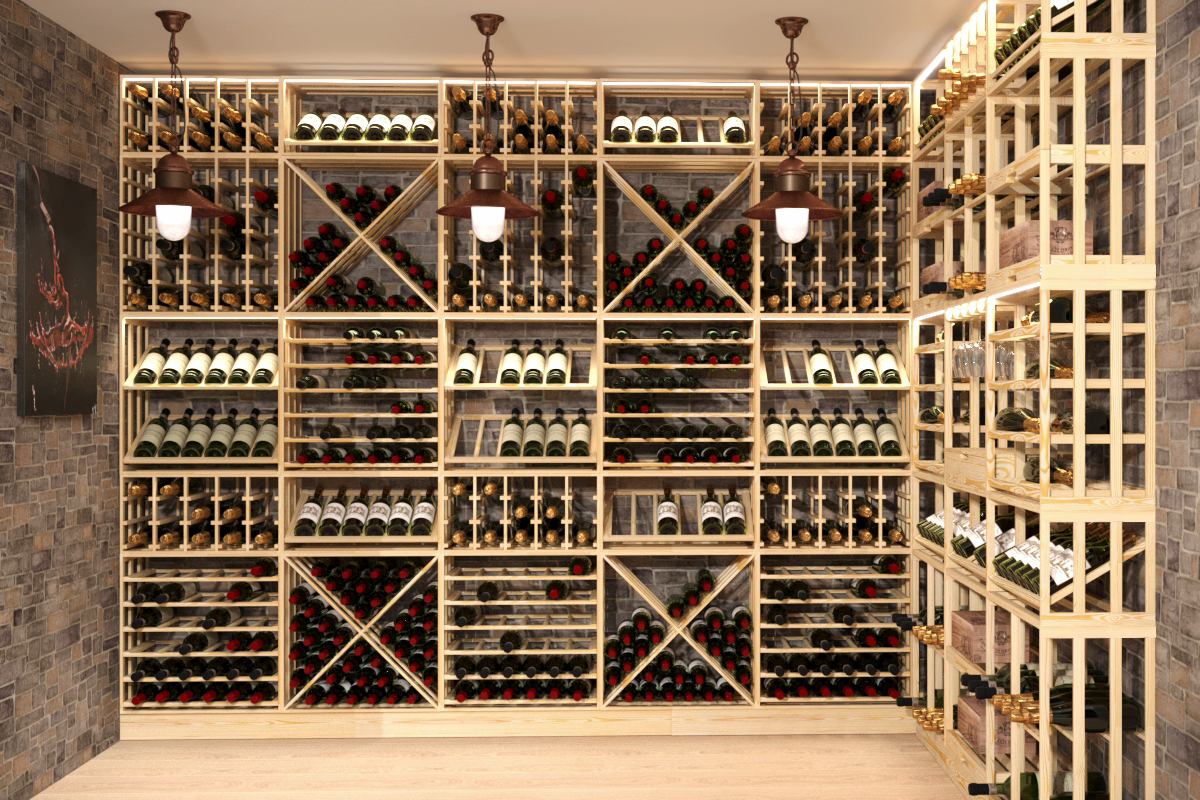
Modular configurations offer exceptional versatility for homeowners planning to expand their collections over time. These systems allow incremental additions without replacing existing infrastructure, providing long-term value and adaptability. Scandinavian-inspired modular designs emphasize clean lines and functional simplicity, creating storage solutions that integrate seamlessly into modern interiors.
The modular approach suits various household scenarios. Young collectors might begin with a compact 20-bottle unit, gradually expanding as their appreciation deepens. Restaurants and hospitality venues benefit from scalable systems that grow alongside business needs. Custom configurations accommodate irregular spaces, turning awkward corners or underutilized alcoves into purposeful storage areas.
For those seeking inspiration, various wine rack designs demonstrate how vertical space maximization creates impressive displays without overwhelming room dimensions. Thoughtful design transforms storage into architectural features that enhance rather than dominate interior schemes.
Optimal Placement Strategies
Identifying the ideal location for a wine rack in home settings requires balancing practical preservation needs with aesthetic considerations. Multiple factors influence placement decisions, from ambient temperature patterns to daily traffic flows and visual sightlines.
Key placement considerations:
Avoid heat sources such as radiators, ovens, or south-facing windows
Minimize vibration exposure from appliances, speakers, or high-traffic areas
Consider accessibility for both restocking and selection convenience
Evaluate visual impact from main viewing angles and seating positions
Assess structural support requirements for wall-mounted or heavy freestanding units
Kitchens represent popular placement choices, offering convenience during meal preparation and entertaining. However, temperature fluctuations from cooking activities can compromise wine quality over extended periods. Dining rooms provide excellent alternatives, creating sophisticated atmospheres whilst maintaining more stable environmental conditions.
Creating Dedicated Wine Display Areas
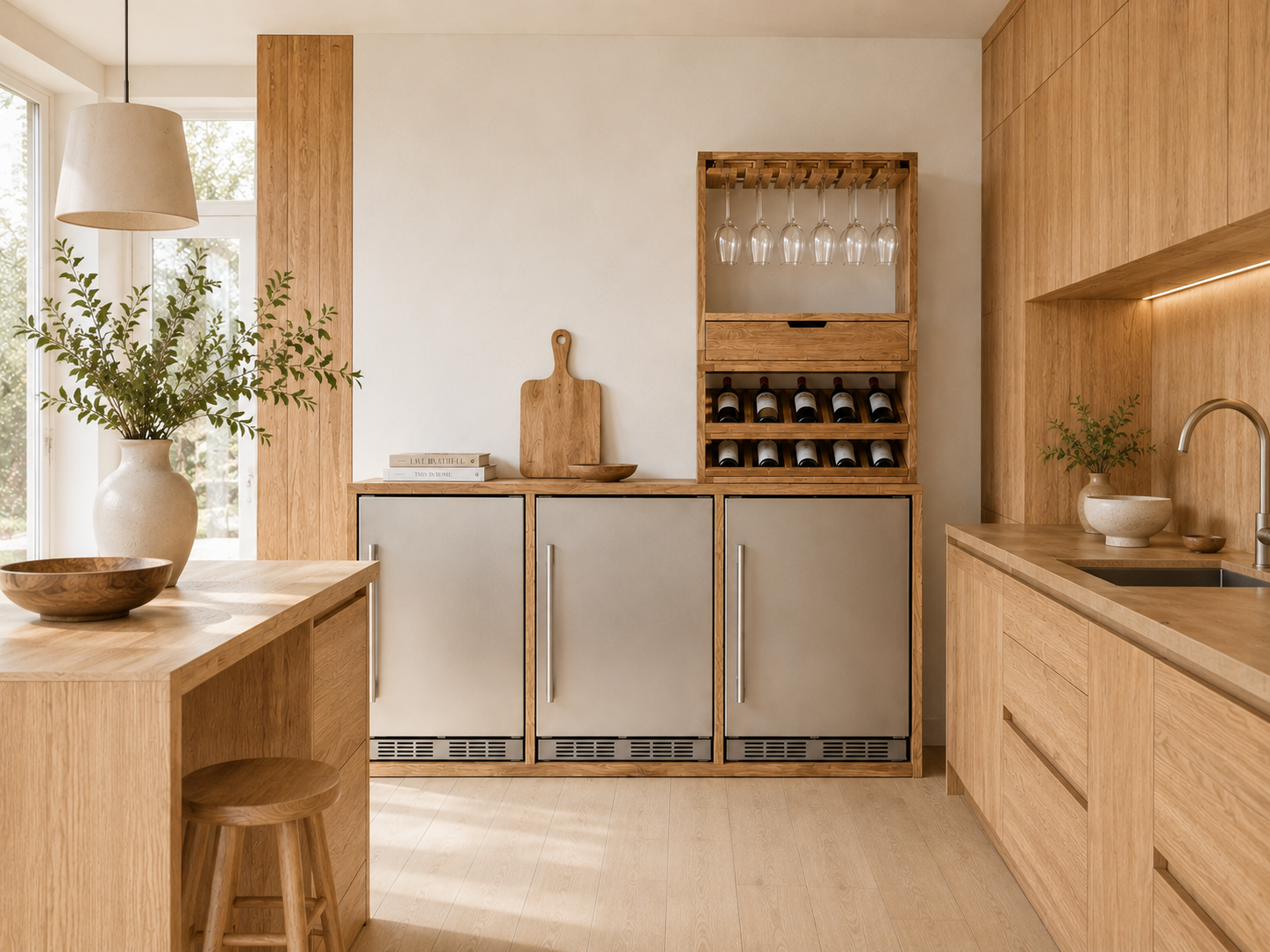
Transforming underutilized spaces into wine display areas adds both functionality and visual interest to residential interiors. Hallways, beneath staircases, and converted closets offer opportunities for creative integration.
Dedicated wine corners benefit from thoughtful lighting that showcases bottles without generating heat. LED strip lighting or directed spotlights create dramatic effects after dark, transforming wine storage into evening focal points. Ambient lighting should avoid direct bottle exposure, protecting wine from light damage whilst illuminating labels for easy selection.
Sizing and Capacity Planning
Determining appropriate capacity for a wine rack in home applications requires honest assessment of current collections and realistic growth projections. Overestimating creates wasteful furniture that dominates available space, whilst underestimating necessitates premature replacements or awkward supplementary additions.
Standard bottle dimensions measure approximately 30cm in height and 7.5cm in diameter, though champagne and premium wines often require larger accommodation. Quality wine racks account for size variations, providing adjustable or oversized compartments that prevent bottle jamming or label damage.
Capacity planning framework:
Casual enthusiasts (6-20 bottles): Compact wall-mounted or countertop solutions
Regular consumers (20-60 bottles): Medium freestanding units or corner configurations
Serious collectors (60-200+ bottles): Modular systems with expansion capabilities
Commercial applications: Custom-designed cellar systems with climate control integration
Most households find optimal satisfaction with wine rack capacities approximately 50% larger than current collections. This approach accommodates spontaneous purchases, gifts, and gradual collection growth without requiring immediate expansion. Premium handcrafted wine racks manufactured from solid oak or smoked oak combine Scandinavian minimalism with practical storage, offering modular configurations that adapt to evolving needs whilst maintaining exceptional durability and timeless aesthetics.
Maintenance and Long-term Care
Proper maintenance extends the lifespan of any wine rack in home environments whilst protecting valuable wine investments. Natural wood furniture requires periodic attention to maintain appearance and structural integrity, though quality craftsmanship minimizes maintenance demands compared to inferior alternatives.
Wood Care Essentials
Solid wood wine racks benefit from annual treatment with appropriate wood oils or waxes that nourish fibres and enhance natural grain patterns. These treatments protect against moisture absorption and minor scratches whilst deepening colour richness over time. Different wood species require specific care approaches that respect their unique characteristics.
Oak finishes develop attractive patinas with age, requiring minimal intervention beyond occasional dusting and periodic conditioning. Smoked oak and burnt pine variations showcase distinctive aesthetics that intensify through proper care routines. Avoid harsh chemical cleaners that strip natural oils or damage protective finishes.
Annual maintenance checklist:
Inspect structural joints and tightening hardware connections
Clean surfaces with slightly dampened microfibre cloths
Apply appropriate wood conditioner following manufacturer specifications
Check bottle positioning to prevent cork drying or label deterioration
Verify environmental conditions remain within optimal parameters
Integration with Interior Design Schemes
A thoughtfully selected wine rack in home interiors contributes significantly to overall aesthetic cohesion. Contemporary design philosophy emphasizes furniture pieces that serve multiple purposes, functioning as both practical storage and sculptural elements that define spatial character.
Scandinavian design principles particularly suit wine storage applications, emphasizing natural materials, functional simplicity, and timeless elegance. Clean lines and honest construction methods create furniture that transcends fleeting trends, maintaining relevance through decades of changing tastes. Bespoke wine rack integration demonstrates how custom solutions address specific spatial challenges whilst reflecting personal style preferences.
Design Style | Material Emphasis | Colour Palette | Complementary Elements |
|---|---|---|---|
Scandinavian | Light oak, pine | Whites, greys, natural wood tones | Minimal hardware, geometric forms |
Industrial | Dark smoked oak, metal accents | Charcoal, black, raw materials | Exposed construction, utilitarian details |
Traditional | Rich walnut, mahogany | Warm browns, burgundy, gold | Ornate details, classical proportions |
Contemporary | Mixed materials | Neutral base with colour accents | Asymmetric arrangements, innovative forms |
Coordinating with Existing Furniture
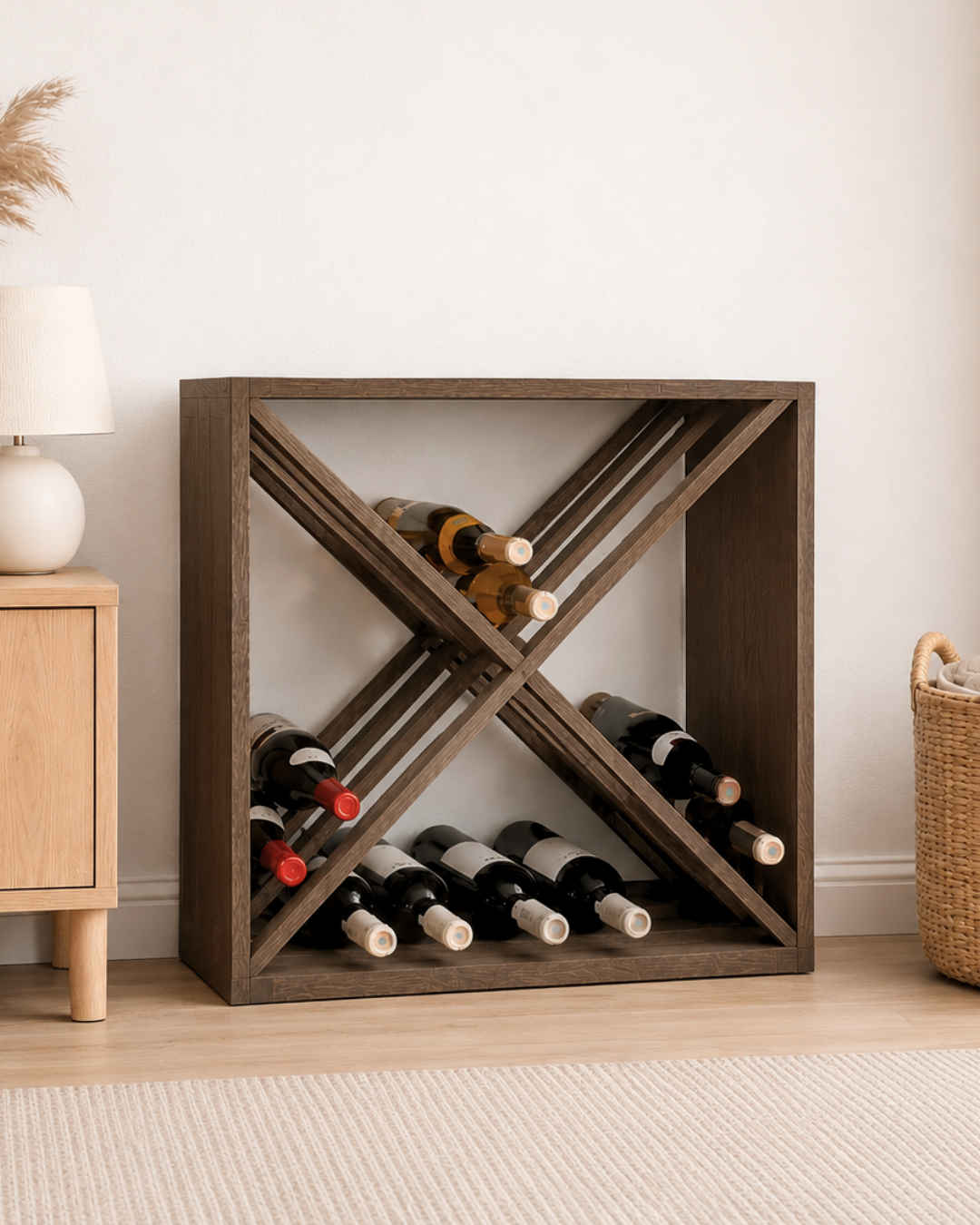
Successful integration requires considering existing furniture finishes, proportions, and stylistic elements. A wine rack in home settings should enhance rather than compete with surrounding pieces. Matching wood species and finish treatments creates harmonious visual flow, whilst deliberate contrasts can establish dynamic focal points when executed thoughtfully.
Open-plan living spaces benefit from wine storage that complements multiple functional zones simultaneously. Freestanding units positioned between kitchen and dining areas create natural transitions whilst serving both spaces equally. Various DIY and commercial solutions offer inspiration for different spatial configurations and design approaches.
Commercial and Hospitality Applications
Beyond residential use, wine racks in home-style commercial settings create welcoming atmospheres that elevate guest experiences. Restaurants, boutique hotels, and office reception areas increasingly incorporate wine storage as design features that signal sophistication and attention to detail.
Commercial applications demand enhanced durability and capacity compared to residential counterparts. High-traffic environments require robust construction that withstands frequent interaction whilst maintaining pristine appearance. Modular systems suit commercial settings particularly well, allowing configuration adjustments as business needs evolve.
Commercial design considerations:
Enhanced structural reinforcement for heavy bottle loads
Accessible configurations that facilitate staff efficiency
Display-oriented arrangements that promote wine sales
Integration with existing interior architecture and branding
Compliance with relevant safety and accessibility regulations
Hospitality venues benefit from wine storage that doubles as atmospheric design elements. Backlit displays, architectural millwork integration, and custom sizing transform functional storage into signature features that guests remember long after departure. Innovative wine rack concepts demonstrate creative approaches that balance practicality with visual drama.
Sustainability and Environmental Responsibility
Choosing environmentally responsible wine storage aligns with broader sustainability commitments increasingly important to conscious consumers. The furniture industry’s environmental impact derives primarily from material sourcing, manufacturing processes, and product longevity.
FSC certification guarantees wood originates from responsibly managed forests that maintain biodiversity, protect indigenous rights, and ensure regeneration exceeds harvest rates. This certification provides transparent verification of sustainability claims, enabling confident purchasing decisions aligned with environmental values.
Longevity as Sustainability
The most sustainable furniture purchases are those requiring no replacement. Premium craftsmanship using superior materials creates wine racks that serve multiple generations, dramatically reducing lifetime environmental impact compared to disposable alternatives. Solid wood construction allows refinishing and repair rather than disposal, extending useful life indefinitely.
Made-to-order manufacturing minimizes waste through precise material calculation and eliminates overproduction inventories. Custom sizing ensures perfect spatial fit, preventing premature replacement driven by dimensional mismatches. This approach prioritizes quality over quantity, supporting consumption patterns that reduce overall environmental burden.
Custom Solutions and Personalization
Standard wine rack dimensions suit many applications, but unique spaces and specific requirements often demand customized approaches. A wine rack in home settings achieves optimal integration when tailored to exact dimensions, storage needs, and aesthetic preferences.
Customization options include:
Precise dimensional specifications matching available space
Bottle capacity adjustments for specific collection sizes
Wood species selection balancing appearance and budget
Finish treatments from natural oils to rich stains
Hardware choices affecting both function and style
Integration features such as drawer storage or display shelving
Custom manufacturing allows addressing architectural irregularities that challenge standard furniture placement. Sloped ceilings, protruding utilities, and unusual floor plans become opportunities for creative solutions rather than insurmountable obstacles. Step-by-step DIY approaches offer alternatives for those with woodworking skills, though professional craftsmanship ensures superior results and longevity.
Made-to-Order Advantages
Manufacturing furniture to order rather than maintaining extensive inventories provides multiple benefits beyond environmental sustainability. Customers receive precisely what they envision rather than compromising with approximate alternatives. Artisans dedicate focused attention to individual projects, ensuring exceptional quality control impossible in mass production environments.
The made-to-order approach particularly suits premium solid wood furniture, where natural material variations require expert selection and matching. Experienced craftspeople choose boards with complementary grain patterns and colour tones, creating cohesive finished pieces that showcase wood’s inherent beauty.
Investment Value and Cost Considerations
Financial considerations inevitably influence wine rack selection, with options spanning from budget-friendly mass-produced alternatives to investment-grade handcrafted furniture. Understanding value propositions beyond initial purchase price provides clearer perspective on true long-term costs.
Premium solid wood wine racks command higher initial investments than composite or veneer alternatives, but superior durability and timeless design deliver exceptional value over extended ownership periods. Dividing purchase price by expected service life reveals remarkably low annual costs for quality furniture that functions reliably for decades.
Quality Tier | Initial Cost Range | Expected Lifespan | Annual Cost | Resale Value |
|---|---|---|---|---|
Budget mass-produced | £50-150 | 2-5 years | £30-75 | Minimal |
Mid-range manufactured | £150-400 | 5-10 years | £15-80 | Low |
Premium handcrafted | £400-1,200+ | 20+ years | £20-60 | Moderate-High |
Bespoke custom | £1,200-5,000+ | Lifetime | £12-50 | High |
Return on Investment
Quality wine racks protect valuable bottle collections whilst enhancing property appeal. Estate agents increasingly recognize distinctive interior features as value drivers that differentiate properties in competitive markets. Thoughtful wine storage appeals particularly to discerning buyers who appreciate craftsmanship and entertaining capabilities.
Beyond financial metrics, investment-grade furniture provides intangible returns through daily use satisfaction and aesthetic pleasure. Beautifully crafted pieces elevate everyday experiences, transforming routine wine selection into moments of appreciation for design excellence and material authenticity.
Selecting and positioning a wine rack in home environments requires balancing functional storage needs with design aspirations and quality expectations. Whether you’re creating a compact display for treasured bottles or planning an extensive cellar system, prioritizing durable materials, thoughtful placement, and timeless design ensures long-term satisfaction. Museliving specializes in premium handcrafted wine storage solutions manufactured from FSC-certified solid wood, offering modular configurations and custom sizing that adapt perfectly to your space whilst supporting sustainable production practices. Explore our collection to discover furniture that protects your investment, enhances your interior, and serves your household reliably for generations.