



Designer furniture represents more than just functional pieces for your home or commercial space. It embodies craftsmanship, innovation, and timeless aesthetics that transform ordinary rooms into extraordinary environments. As we navigate through 2026, the landscape of high-quality furnishings continues to evolve, blending traditional techniques with contemporary sensibilities and placing greater emphasis on sustainability, authenticity, and personalization. Understanding what distinguishes truly exceptional pieces from mass-produced alternatives empowers you to make informed decisions that enhance your living spaces for decades to come.
Understanding the Designer Furniture Movement
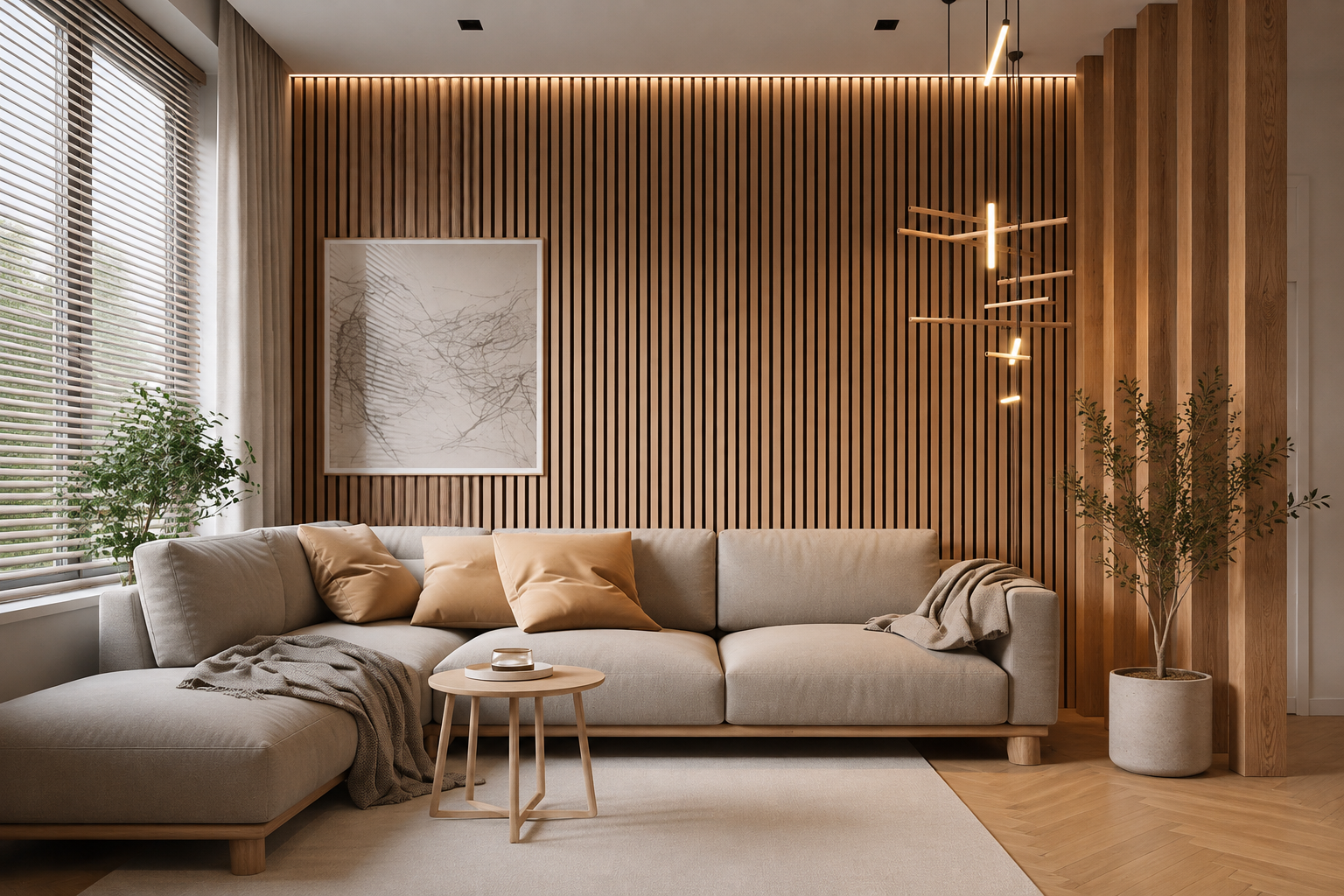
Designer furniture emerged from a philosophical shift in how we perceive everyday objects. Rather than viewing chairs, tables, and storage solutions as mere utilities, designers began approaching these items as expressions of artistic vision and functional innovation. This movement gained momentum throughout the twentieth century, with Scandinavian designers pioneering an approach that prioritized clean lines, natural materials, and human-centred design.
The distinction between standard furniture and designer pieces lies in several key factors. Firstly, the materials selected undergo rigorous evaluation for quality, sustainability, and longevity. Premium solid woods like FSC-certified oak stand in stark contrast to particleboard or veneer-covered alternatives. Secondly, construction methods emphasize durability through traditional joinery techniques, precision engineering, and meticulous attention to detail.
The Role of Craftsmanship in Quality Furniture
Handcrafted furniture carries inherent advantages over factory-produced items. Skilled artisans bring years of experience to each piece, identifying the unique characteristics of individual wood grains and adjusting techniques to complement natural variations. This human element introduces subtle nuances impossible to replicate through automated processes.
Attention to detail ensures perfect alignment, smooth finishes, and flawless joinery
Material selection allows craftspeople to choose optimal grain patterns and wood sections
Adaptability enables custom modifications based on specific client requirements
Quality control happens continuously throughout production rather than as a final checkpoint
Modern designer furniture manufacturers often combine traditional craftsmanship with contemporary tools, achieving precision whilst maintaining the artisanal qualities that distinguish premium pieces. This hybrid approach delivers consistency without sacrificing the individuality that makes each item special.
Material Excellence and Sustainability
The foundation of exceptional designer furniture begins with material selection. Solid wood remains the gold standard, offering unmatched durability, natural beauty, and environmental benefits when sourced responsibly. Oak, in particular, provides exceptional structural integrity alongside distinctive grain patterns that mature beautifully over time.
Sustainable forestry practices have become non-negotiable for conscientious manufacturers. FSC certification guarantees that wood originates from responsibly managed forests where harvesting rates never exceed growth rates, biodiversity receives protection, and local communities benefit from fair labour practices. This certification represents a commitment to environmental stewardship that extends beyond mere compliance.
Material Type | Durability | Aesthetic Appeal | Sustainability | Maintenance |
|---|---|---|---|---|
FSC-Certified Oak | Exceptional | Rich grain patterns | Certified sustainable | Minimal |
Smoked Oak | Exceptional | Deep tones | Certified sustainable | Minimal |
Pine | Very Good | Light, airy feel | Renewable resource | Low |
Walnut | Excellent | Luxurious chocolate tones | Responsibly sourced | Moderate |
The dimpled wood trend showcases how texture adds dimension to furniture surfaces, creating visual interest through hand-carved detailing that celebrates the tactile qualities of natural materials. These techniques highlight wood’s versatility as a medium for artistic expression whilst maintaining practical functionality.
Current Trends Shaping Designer Furniture in 2026
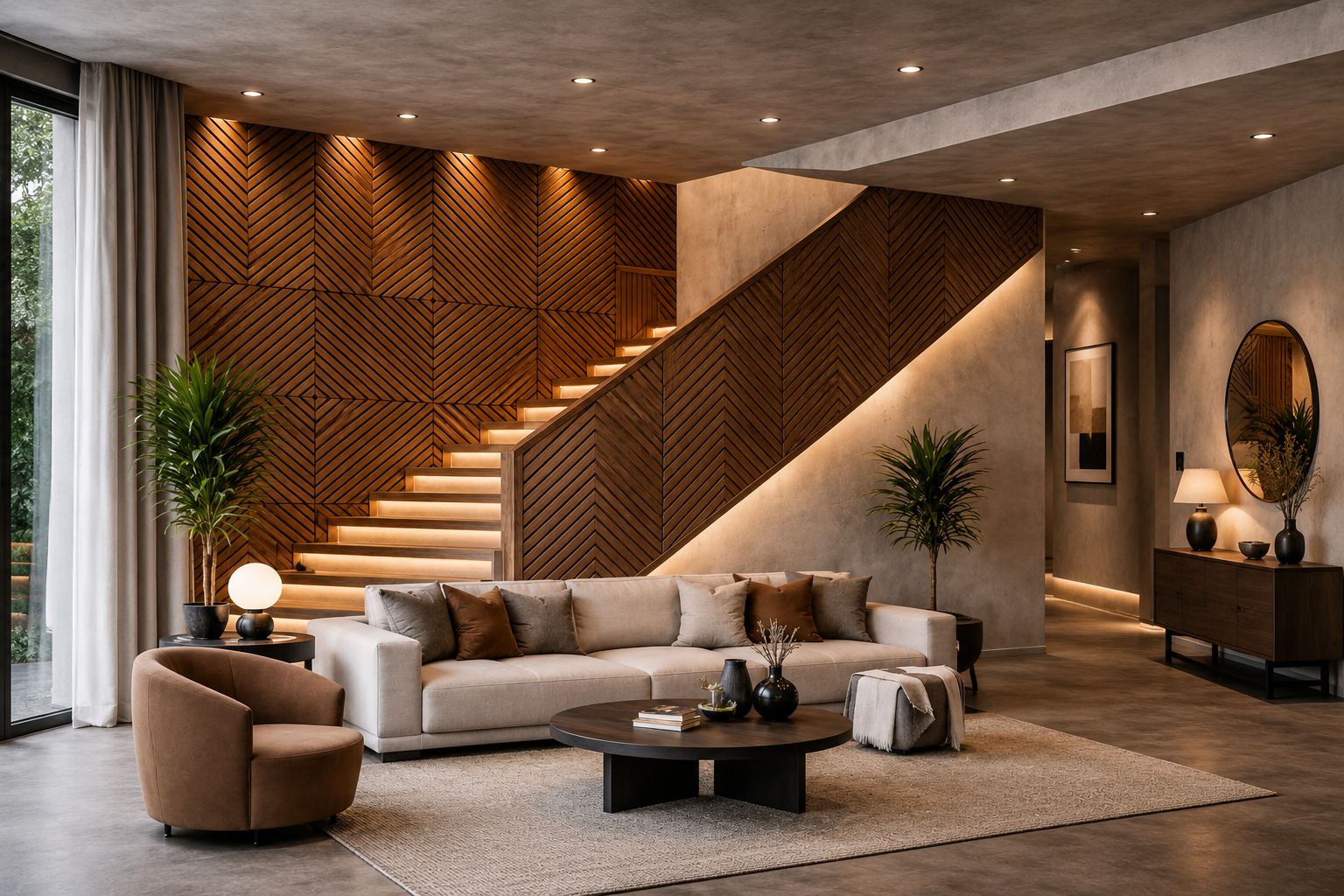
The furniture design landscape of 2026 reflects a fascinating convergence of nostalgia, sustainability, and maximalist expression. According to the 1stDibs 2026 designer survey, chocolate brown hues dominate colour preferences, whilst maximalism challenges the minimal aesthetics that defined the previous decade. This shift represents a desire for warmth, personality, and spaces that tell stories.
The Return to Vintage Sensibilities
Vintage trends for 2026 emphasize pieces rich in history and craftsmanship, with designers and homeowners increasingly sourcing items from the 1920s through 1950s. This movement celebrates the quality and character of earlier manufacturing periods, when furniture construction prioritized longevity over disposability.
Contemporary designer furniture draws inspiration from these historical pieces whilst incorporating modern functionality and sustainable practices. The result marries timeless silhouettes with today’s environmental consciousness and lifestyle requirements.
Refreshed traditional forms that respect classic proportions whilst introducing contemporary finishes
Handcrafted accents celebrating artisanal skills and unique detailing
Modular configurations allowing adaptability as needs evolve
Natural finishes showcasing authentic wood character rather than concealing it
The eight furniture trends from High Point Market Fall 2025 confirm this direction, with industry leaders presenting collections that balance heritage inspiration with innovative solutions for modern living.
Choosing Designer Furniture for Different Spaces
Selecting appropriate pieces requires careful consideration of spatial requirements, functional needs, and aesthetic preferences. Residential environments demand different solutions than commercial installations, yet both benefit from thoughtful planning and quality investment.
Residential Applications
Home environments showcase designer furniture at its most personal. Living rooms, dining areas, bedrooms, and home offices each present unique opportunities for statement pieces that reflect individual taste whilst serving practical purposes. A well-chosen dining table becomes the centrepiece for family gatherings and dinner parties, warranting investment in construction quality and timeless design.
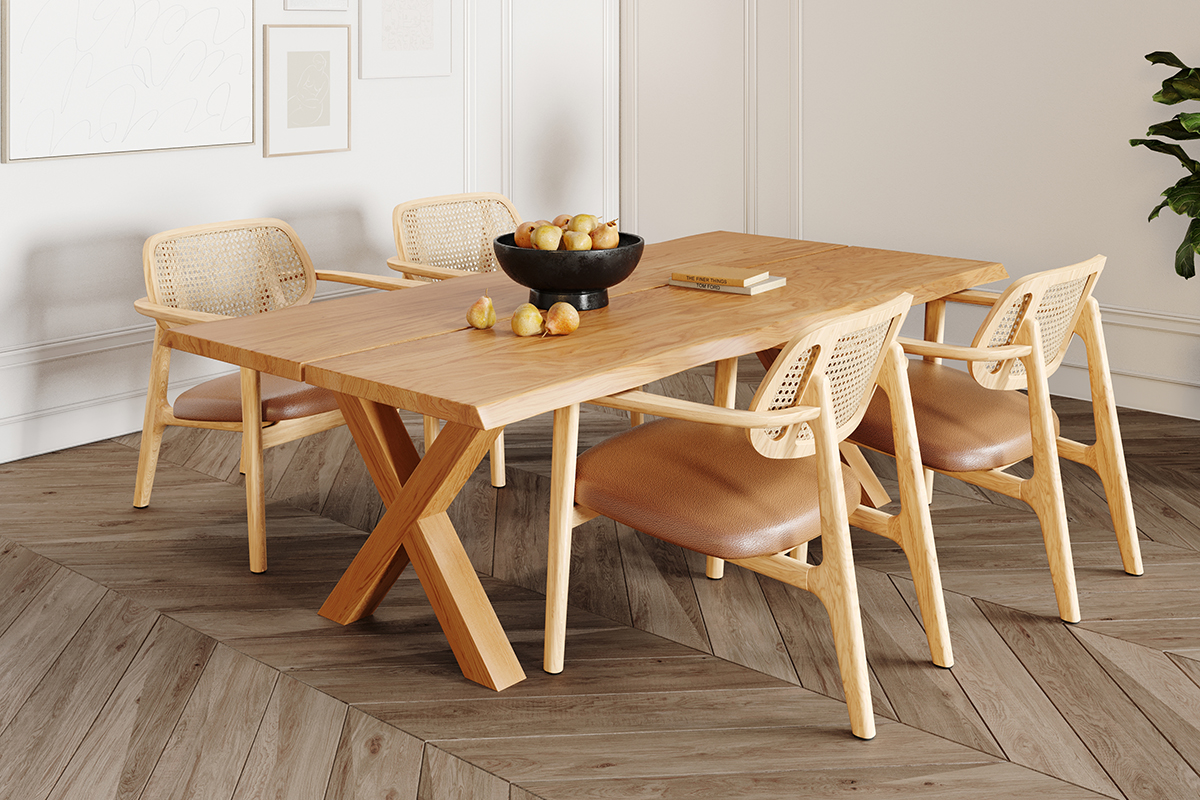
When considering furniture for dining spaces, solid wood tables crafted from premium materials offer unmatched durability and aesthetic appeal. The natural beauty of oak develops richer character over years of use, making such pieces genuine heirloom investments. Available in various configurations to suit different room dimensions, these tables demonstrate how designer furniture adapts to individual requirements rather than forcing compromise.
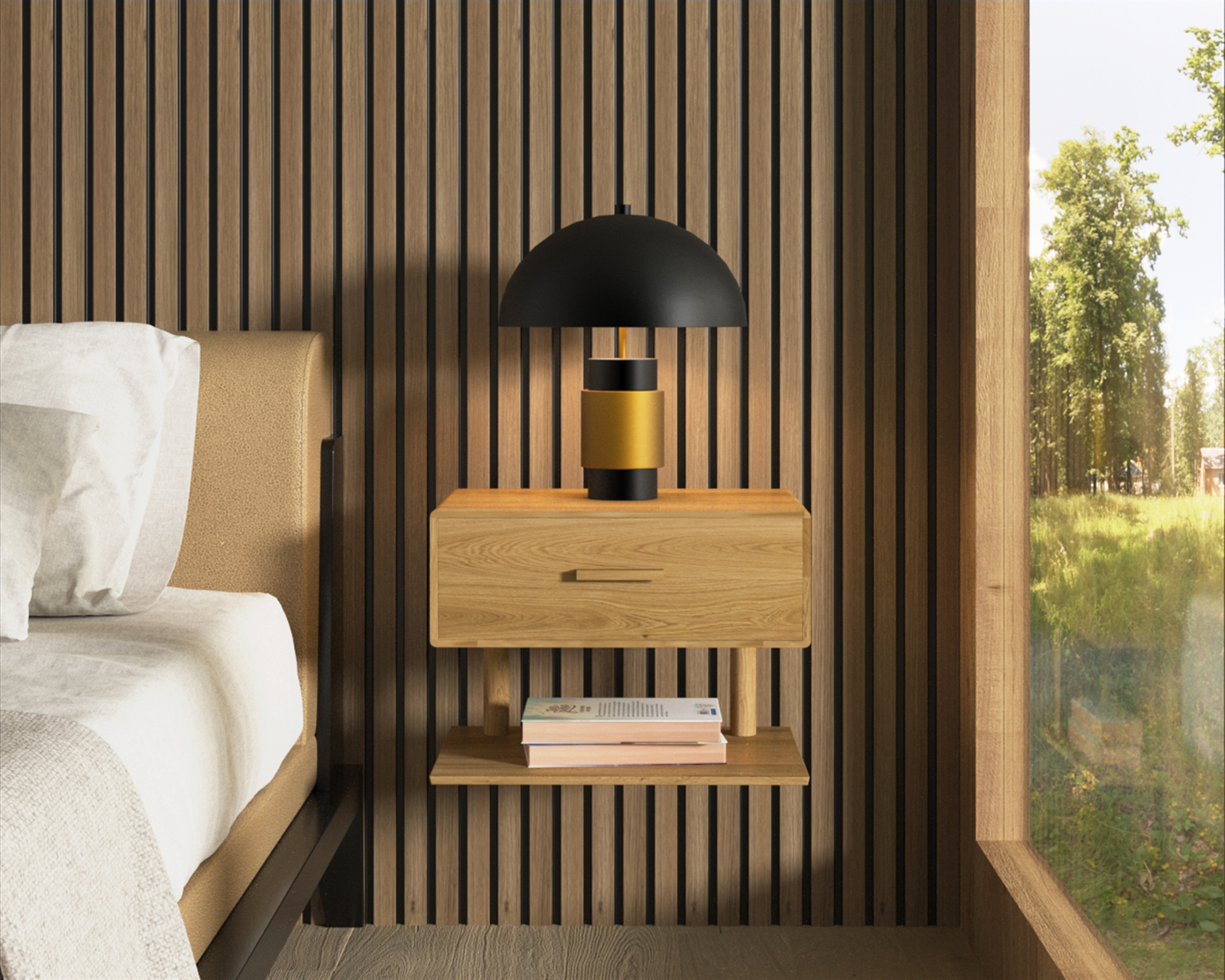
Bedrooms benefit from carefully selected storage solutions and bedside pieces that combine functionality with visual harmony. Wall-mounted options maximize floor space in smaller rooms, whilst freestanding alternatives suit more spacious layouts. The consistency of material choice across different furniture pieces creates cohesion throughout your home.
Commercial and Hospitality Settings
Restaurants, hotels, offices, and retail environments face additional considerations beyond residential applications. Furniture in these contexts must withstand heavier use whilst maintaining aesthetic appeal and supporting brand identity. Designer pieces excel in commercial settings by offering:
Superior durability that reduces replacement frequency and long-term costs
Distinctive styling that differentiates your establishment from competitors
Customization options aligning furniture with specific branding requirements
Sustainable credentials appealing to environmentally conscious clientele
Museliving specializes in creating furniture solutions for both residential and commercial applications, understanding the unique demands each environment presents and delivering pieces that perform beautifully under varying conditions.
The Investment Value of Quality Furniture
Designer furniture represents a significant financial commitment, prompting legitimate questions about value and return on investment. Understanding the economics of quality furnishings reveals why premium pieces often prove more economical than budget alternatives over their lifetime.
Longevity and Durability
A solidly constructed oak table manufactured using traditional joinery techniques can serve families for generations with minimal maintenance. In contrast, mass-produced alternatives typically require replacement within five to ten years, creating ongoing costs and environmental waste. When comparing lifetime value, the mathematics favour quality investment.
Furniture Type | Initial Cost | Expected Lifespan | Cost per Year | Replacement Frequency |
|---|---|---|---|---|
Designer Solid Wood | Higher | 50+ years | Minimal | Generational |
Mid-Range Veneer | Moderate | 10-15 years | Moderate | Every decade |
Budget Particleboard | Lower | 3-5 years | Higher over time | Frequent |
Beyond financial considerations, quality furniture maintains aesthetic relevance across changing trends. Timeless Scandinavian design principles ensure pieces remain stylish decades after purchase, whilst trend-driven mass-market items quickly appear dated.
Environmental and Social Responsibility
Sustainable furniture production addresses growing concerns about environmental impact and ethical manufacturing. Choosing pieces crafted from FSC-certified materials supports responsible forestry, whilst purchasing from European manufacturers often ensures fair labour practices and reduced transportation emissions compared to global supply chains.
The made-to-order model reduces waste by eliminating unsold inventory and allowing precise material calculation. This approach contrasts sharply with mass production methods that generate significant waste through overproduction and inflexible sizing.
Customization and Personalization Options
Designer furniture increasingly offers customization capabilities that transform standard pieces into perfectly tailored solutions. This flexibility addresses the challenge of finding furnishings that suit unique spatial constraints or specific aesthetic visions.
Sizing and Configuration
Custom sizing solves problems inherent in standardized furniture dimensions. Rooms with unusual proportions, architectural features, or specific functional requirements benefit enormously from pieces manufactured to exact specifications. A dining table sized precisely for your space maximizes usability without overwhelming the room or leaving awkward gaps.
Modular systems extend this flexibility further, allowing reconfiguration as needs evolve. Wine storage that expands as collections grow, bookshelves that adapt to changing display requirements, and partition systems that redefine spaces demonstrate the practical advantages of modular design thinking.
Finish and Material Choices
Surface treatments dramatically alter furniture appearance whilst protecting underlying materials. Natural oil finishes enhance wood grain visibility and provide tactile warmth, whilst alternative treatments offer different aesthetic effects. The choice between oak, smoked oak, burnt pine, or other materials fundamentally shapes the final piece’s character.
Natural oak: Light, fresh appearance complementing Scandinavian and contemporary interiors
Smoked oak: Deeper, richer tones adding sophistication and warmth
Oiled finishes: Enhanced grain visibility with protective qualities
Burnt wood: Dramatic character through traditional Japanese yakisugi techniques
Integrating Designer Furniture Into Your Interior
Successfully incorporating quality pieces requires understanding broader interior design principles and how individual items contribute to overall spatial harmony. Designer furniture should enhance rather than dominate, creating balanced environments that feel intentional yet comfortable.
Colour Palettes and Material Coordination
The natural tones of solid wood furniture provide versatile foundations for various colour schemes. Oak’s honey tones complement both warm and cool palettes, whilst darker finishes like smoked oak ground spaces with rich, earthy presence. Current trends favour chocolate brown and terracotta combinations that create luxurious, welcoming atmospheres.
Coordinating wood finishes across multiple pieces maintains visual cohesion without creating monotony. Matching dining tables, storage solutions, and decorative elements through consistent material choices establishes sophisticated unity throughout your space.
Balancing Statement Pieces and Supporting Elements
Every room benefits from a focal point that captures attention and establishes design direction. A beautifully crafted solid wood dining table, distinctive bookshelf, or architectural room partition can serve this purpose. Supporting furniture and décor then complement this anchor without competing for attention.
The armchair trends for 2026 illustrate how diverse styles can coexist within thoughtfully composed interiors, provided each piece respects the overall design philosophy whilst contributing individual character.
Maintenance and Care for Longevity
Preserving designer furniture’s beauty and functionality requires appropriate maintenance tailored to specific materials and finishes. Fortunately, quality solid wood pieces demand minimal intervention compared to delicate upholstery or composite materials.
Daily Care Practices
Regular dusting with soft, dry cloths prevents dirt accumulation that can scratch surfaces over time. For dining tables and frequently touched surfaces, immediate cleanup of spills prevents staining and moisture damage. These simple habits significantly extend furniture lifespan without requiring special products or expertise.
Dust weekly using microfibre cloths that capture particles without scratching
Clean spills immediately with absorbent materials before liquids penetrate wood
Use coasters, placemats, and protective pads under hot items or heavy objects
Maintain consistent humidity levels to prevent wood expansion or contraction
Position furniture away from direct sunlight and heat sources that cause fading or drying
Periodic Maintenance Requirements
Oiled wood finishes benefit from reapplication every 12-18 months, depending on use intensity. This straightforward process rejuvenates surfaces, enhances grain visibility, and maintains protective qualities. Most manufacturers provide specific recommendations for their finishes, ensuring optimal results without guesswork.
Professional restoration services address deeper scratches, dents, or structural issues that may develop over decades of use. The solid construction of designer furniture makes such restoration economically viable, unlike composite pieces where damage often necessitates complete replacement.
The Future of Designer Furniture Manufacturing
Technological advancement continues reshaping furniture production whilst traditional craftsmanship maintains its essential role. Research into 3D furniture design datasets and manufacturing optimization demonstrates how digital tools enhance efficiency without eliminating artisanal expertise.
Digital Tools Supporting Traditional Craft
Computer-aided design enables precise planning and visualization before physical production begins, reducing material waste and allowing clients to preview customizations. CNC machinery executes complex cuts with mathematical precision, yet skilled craftspeople still perform critical assembly, finishing, and quality control steps where human judgement proves irreplaceable.
This synthesis of traditional and contemporary methods defines modern furniture manufacturing at its best, delivering consistency, efficiency, and sustainability whilst preserving the human touch that makes each piece special.
User-Centred Design Innovation
Research into multi-sensorial interaction design explores how furniture engages beyond visual aesthetics, considering tactile qualities, ergonomic comfort, and emotional responses. This holistic approach informs designer furniture development, ensuring pieces satisfy practical requirements whilst creating positive psychological impacts.
The emphasis on user experience aligns perfectly with Scandinavian design philosophy, which has always prioritized human needs alongside aesthetic expression. As furniture design evolves, these foundational principles remain constant, guiding innovation whilst maintaining timeless appeal.
Making Informed Purchasing Decisions
Investing in designer furniture demands research, careful consideration, and partnership with manufacturers who understand your vision. Several factors warrant evaluation before committing to significant purchases.
Evaluating Manufacturers and Suppliers
Reputable furniture manufacturers demonstrate transparency about materials, production methods, and sustainability credentials. Look for detailed information about wood sourcing, finishing techniques, and construction approaches. Companies confident in their quality welcome questions and provide comprehensive answers.
Customer testimonials and portfolio examples reveal actual results rather than marketing promises. Examining completed projects similar to your requirements indicates whether a manufacturer possesses relevant experience and capabilities.
Budget Considerations and Payment Options
Quality furniture pricing reflects genuine value through superior materials, skilled labour, and durability. Extremely low prices typically signal compromises in materials, construction, or labour practices. Understanding what constitutes fair pricing for handcrafted solid wood furniture helps identify genuine value versus inflated costs.
Many manufacturers offer flexible payment arrangements for larger orders or commercial installations, making quality investment accessible without compromising on standards. Discussing budget parameters early in the consultation process ensures realistic expectations and appropriate recommendations.
Designer furniture transforms spaces through exceptional craftsmanship, sustainable materials, and timeless design principles that remain relevant across changing trends. Investing in quality pieces manufactured from FSC-certified solid wood delivers lasting value through durability, aesthetic appeal, and environmental responsibility. Whether furnishing a home, restaurant, hotel, or office, Museliving creates handcrafted Scandinavian-inspired furniture tailored to your specific requirements, combining premium materials with modular flexibility and made-to-order precision across Europe.