



Wine storage has evolved far beyond simple utility. Today’s wine enthusiasts seek solutions that showcase their collections whilst complementing their interior design schemes. Whether you’re furnishing a compact urban flat or designing a sprawling wine cellar, interesting wine racks offer creative ways to display bottles, optimise space, and enhance your décor. From modular systems that adapt to growing collections to statement pieces that become focal points in dining rooms and kitchens, the variety of designs available in 2026 reflects our changing relationship with wine storage.
The Evolution of Wine Storage Design
Traditional wine cellars once dominated the landscape of bottle storage, but contemporary living demands more versatile solutions. Interesting wine racks now bridge the gap between functional storage and artistic expression, transforming how we think about displaying our favourite vintages.
Modern wine rack design emphasises three core principles: accessibility, preservation, and aesthetics. Bottles must remain easily reachable, storage conditions should protect wine quality, and the rack itself should enhance rather than detract from your interior scheme. These considerations have driven innovation across materials, configurations, and installation methods.
The shift towards open-plan living has particularly influenced wine rack design. Rather than hiding bottles away in basement cellars, homeowners increasingly integrate wine storage into living spaces, kitchens, and dining areas. This visibility demands that interesting wine racks serve dual purposes as both storage solutions and decorative elements.
Material Choices That Define Character
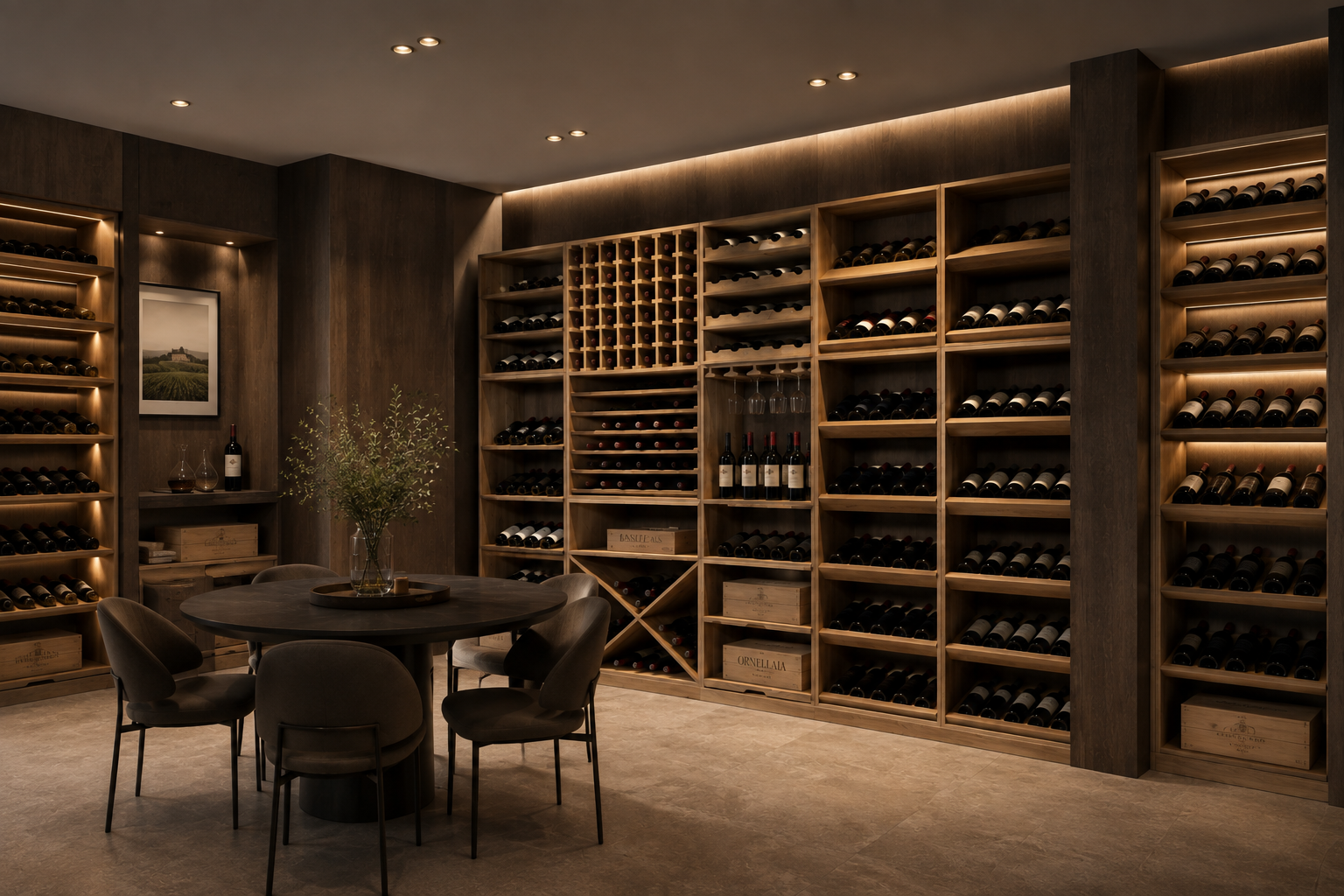
The materials selected for wine rack construction significantly impact both durability and visual appeal. Wood remains the most popular choice for wine cellar construction, offering natural warmth and timeless elegance that complements wine’s organic nature.
Solid wood options include:
Oak: Renowned for strength, grain character, and longevity
Pine: Lightweight yet sturdy, offering rustic charm
Walnut: Dark tones that convey sophistication
Reclaimed timber: Eco-conscious choice with unique patina
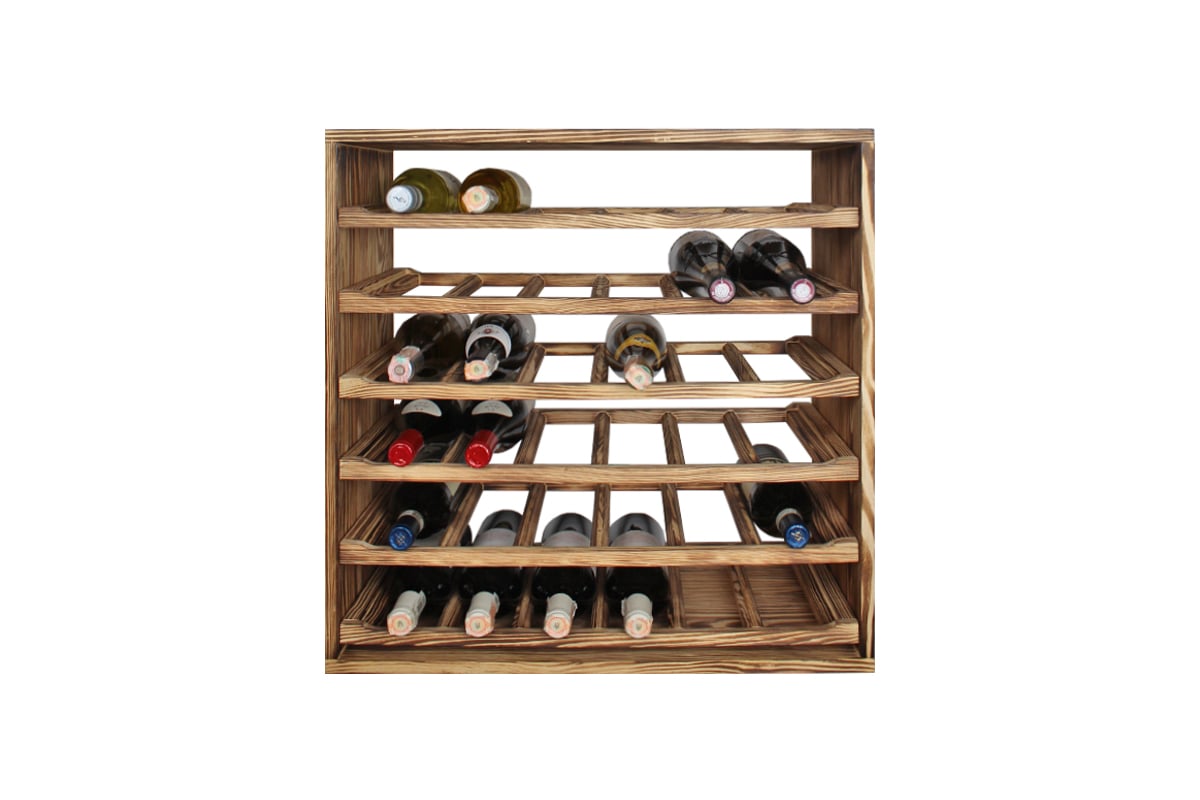
Each wood species brings distinct grain patterns and colour tones. Oak, for instance, ranges from honey-coloured natural finishes to rich smoked variations that add depth to contemporary interiors. Pine presents a lighter aesthetic, whilst burnt finishes create dramatic contrast against pale walls.
Modular Systems for Flexible Storage
Modular wine racks represent perhaps the most practical innovation in bottle storage, allowing collections to expand without requiring complete redesigns. These systems consist of individual units that stack, connect, or arrange in countless configurations.
The beauty of modular design lies in its adaptability. Start with a compact six-bottle unit, then expand vertically or horizontally as your collection grows. This flexibility proves invaluable for wine enthusiasts whose storage needs evolve over time.
Configuration Type | Capacity Range | Best Suited For |
|---|---|---|
Wall-mounted modules | 6-24 bottles per unit | Kitchen integration, small spaces |
Freestanding towers | 12-48 bottles per unit | Living rooms, dining areas |
Stackable cubes | 4-12 bottles per unit | Customisable arrangements |
Corner systems | 20-60 bottles total | Maximising unused space |
For those seeking guidance on selecting the perfect wine rack, considering your available space and collection size helps narrow the vast array of options. Modular systems accommodate both current needs and future growth, making them particularly attractive for serious collectors.
Statement Pieces for Wine Enthusiasts
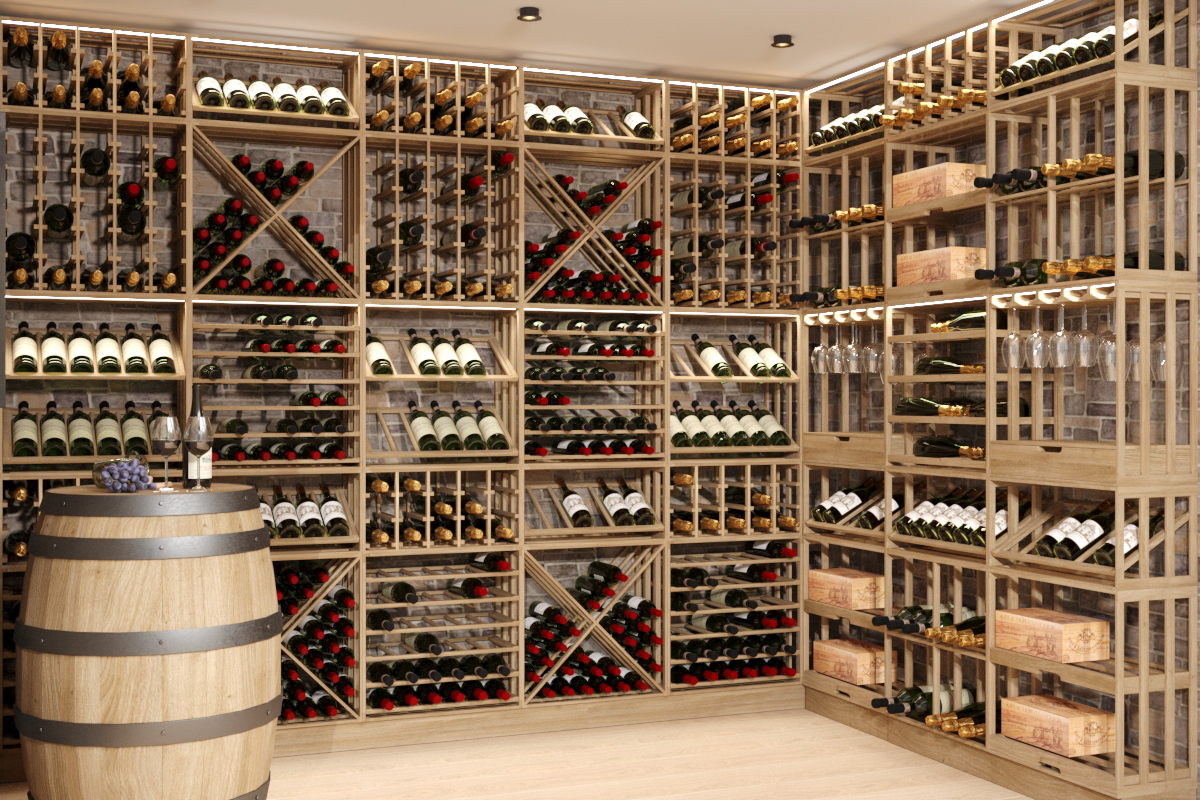
Some interesting wine racks transcend mere storage to become conversation starters. Sculptural designs, unusual materials, and unexpected forms elevate wine display into artistic territory.
Tree-inspired racks feature branching structures that cradle bottles at varying heights. These organic forms soften modern interiors whilst providing practical storage. Floor-to-ceiling versions create dramatic focal points in open-plan spaces.
Geometric designs employ angular frameworks and intersecting planes. Hexagonal cells, triangular compartments, and asymmetrical arrangements appeal to those favouring contemporary aesthetics. These racks often combine materials-wood frames with metal accents or glass shelving-for added visual complexity.
Vintage-inspired pieces incorporate repurposed materials. Wine barrel staves, reclaimed scaffolding boards, and industrial piping find new life as bottle holders. These designs particularly suit rustic interiors, gastropubs, and wine bars seeking authentic character.
Freestanding Racks That Define Spaces
Large freestanding units serve dual purposes in open-plan homes, providing wine storage whilst subtly dividing spaces. These substantial pieces ground dining areas, delineate kitchen zones, or create visual separation between living and eating spaces.
The advantage of freestanding designs lies in their portability and installation simplicity. Unlike built-in systems requiring professional fitting, these racks simply position where needed. Relocation becomes straightforward during renovations or when rearranging furniture.
Capacity varies enormously, from compact 20-bottle cabinets to cellar-style units accommodating 200 bottles or more. Materials and construction quality significantly impact longevity, making sustainable hardwood options attractive for those prioritising durability.
Many freestanding interesting wine racks incorporate additional features-stemware storage, serving surfaces, or drawer compartments for accessories. These multipurpose designs maximise functionality whilst maintaining clean lines and cohesive aesthetics.
Built-In Solutions for Seamless Integration
Custom-built wine storage integrates seamlessly with cabinetry, creating the appearance of purpose-designed wine cellars within standard rooms. These installations suit renovation projects where wine storage forms part of comprehensive interior schemes.
Kitchen islands increasingly incorporate wine racks, positioning bottles conveniently for cooking whilst keeping them accessible for entertaining. Under-counter installations utilise otherwise wasted space, particularly effective in galley-style kitchens where wall space remains limited.
Dining room cabinetry benefits from integrated wine storage, creating elegant displays visible during meals. Glass-fronted cabinets showcase special bottles whilst protecting them from light exposure. Interior LED lighting enhances visibility and adds ambient glow during evening gatherings.
Staircases present unique opportunities for built-in storage. The triangular space beneath stairs often goes unused, yet perfectly accommodates angled wine racks. These installations transform awkward areas into functional features whilst maintaining floor space elsewhere.
Professional Versus DIY Installation
Deciding between professional fitting and self-installation depends on design complexity, structural requirements, and personal capabilities. Building your own wine rack appeals to woodworking enthusiasts seeking personalised solutions, though requires appropriate tools and skills.
Simple wall-mounted racks typically suit competent DIY installers. Pre-drilled mounting points and included hardware simplify installation, though locating wall studs and ensuring level placement remain critical for safety and appearance.
Complex modular systems or large freestanding units often benefit from professional assembly. Specialists ensure structural integrity, proper levelling, and secure anchoring. This expertise proves particularly valuable for high-capacity installations where bottle weight creates significant structural demands.
Built-in projects almost invariably require professional tradespeople. Carpentry, electrical work for lighting, and integration with existing cabinetry exceed most DIY capabilities. The investment in professional installation ensures durability and seamless aesthetic integration.
Commercial Applications Beyond Homes
Restaurants, hotels, and wine bars employ interesting wine racks as both functional storage and marketing tools. Visible wine collections signal expertise, create atmosphere, and encourage sales through strategic display.
Restaurant installations range from compact wall-mounted systems highlighting premium selections to floor-to-ceiling cellars visible from dining areas. Glass-enclosed climate-controlled rooms showcase extensive collections whilst protecting bottle contents from temperature fluctuations and light damage.
Hotel lobbies and bars use statement wine racks as architectural features. Backlit displays, geometric arrangements, and unusual materials create memorable visual impacts that enhance brand identity. These installations often incorporate security features preventing unauthorised access whilst maintaining visual accessibility.
Retail wine merchants employ interesting wine racks to organise inventory by region, varietal, or price point. Clear categorisation aids customer navigation whilst attractive displays encourage browsing and impulse purchases. Comparing DIY versus custom approaches helps commercial operators balance budget constraints against professional appearance requirements.
For those designing bespoke storage solutions, customisable wine racks offer opportunities to specify exact dimensions, capacities, and finishes that align with brand aesthetics and spatial constraints.
Material Sustainability and Environmental Considerations
Environmental consciousness increasingly influences purchasing decisions across furniture categories, including wine storage. Sustainable interesting wine racks prioritise renewable materials, responsible sourcing, and manufacturing processes minimising environmental impact.
FSC-certified timber guarantees wood originates from responsibly managed forests where harvesting rates don’t exceed regrowth. This certification provides assurance that your wine rack hasn’t contributed to deforestation or habitat destruction.
Reclaimed wood offers another eco-friendly option, giving new purpose to timber salvaged from demolished buildings, old furniture, or industrial applications. Each piece carries unique character from previous use, creating one-of-a-kind storage solutions with compelling backstories.
Manufacturing location affects environmental footprint through transportation distances. European-produced racks travelling shorter distances to UK customers generate fewer emissions than imports from distant continents. Supporting local artisan furniture makers reduces carbon footprint whilst promoting regional craftsmanship.
Durability as Sustainability
The most sustainable wine rack ultimately proves the one requiring no replacement. Premium materials and expert construction create heirloom-quality pieces lasting decades rather than disposable products needing frequent renewal.
Solid hardwood construction vastly outlasts cheaper alternatives. Whilst initial investment exceeds particleboard or lightweight options, longevity justifies higher costs. A well-made oak rack serves multiple generations, whereas budget alternatives deteriorate within years.
Finish quality affects both appearance and durability. Natural oil treatments penetrate wood fibres, enhancing grain whilst providing moisture resistance. These finishes require occasional reapplication but allow wood to breathe and age gracefully. Synthetic coatings create waterproof barriers though can crack or peel over time.
Material | Expected Lifespan | Maintenance Requirements | Environmental Impact |
|---|---|---|---|
FSC oak | 50+ years | Occasional oiling | Low (renewable, certified) |
Reclaimed timber | 30+ years | Minimal | Very low (repurposed) |
Metal (powder-coated) | 30+ years | Occasional cleaning | Moderate (recyclable) |
Particle board | 5-10 years | None (disposable) | High (short lifespan) |
Innovative Designs Pushing Boundaries
Contemporary designers continually reimagine wine storage, creating interesting wine racks that challenge conventions whilst maintaining functionality. These innovative approaches appeal to design-conscious consumers seeking unique solutions.
Floating bottle displays use concealed mounting systems creating the illusion that bottles hover against walls. This minimalist approach suits modern interiors where visual lightness takes precedence over traditional racking visibility.
Rotating mechanisms maximise accessibility in compact spaces. Lazy Susan-style systems bring bottles to users rather than requiring reaching into deep cabinets. These designs work particularly well for corner installations where accessibility otherwise becomes challenging.
Convertible furniture integrates wine storage into multipurpose pieces. Coffee tables with built-in racks, room dividers incorporating bottle storage, and benches with wine compartments exemplify space-efficient thinking for smaller homes.
Technology Integration in Modern Wine Racks
Smart wine storage represents the cutting edge of interesting wine racks, incorporating technology that monitors conditions and tracks inventory. Climate-controlled units maintain optimal temperature and humidity regardless of ambient conditions, crucial for long-term aging.
Digital inventory systems catalogue collections, tracking acquisition dates, drinking windows, and bottle locations. Smartphone apps interface with storage systems, allowing collectors to search holdings, receive maturity notifications, and access tasting notes remotely.
Environmental sensors alert owners when temperature or humidity drift beyond acceptable parameters. This monitoring proves invaluable for serious collectors whose bottles represent significant financial investments requiring protection.
However, technology integration increases initial costs and creates potential maintenance requirements. Battery replacement, software updates, and electronic component failures introduce complexities absent from traditional wooden racks. Balancing convenience against simplicity remains a personal decision based on collection value and technological comfort.
Design Considerations for Specific Spaces
Different rooms present unique challenges and opportunities for wine storage. Tailoring interesting wine racks to specific locations optimises both functionality and aesthetic integration.
Kitchen installations prioritise accessibility for cooking wines whilst maintaining proximity to dining areas. Under-counter racks keep bottles conveniently located without cluttering worktops. Wall-mounted systems above preparation areas position wines visibly whilst freeing valuable counter space.
Dining rooms benefit from display-oriented designs that enhance ambience during meals. Glass-fronted cabinets or open racks showcase labels, creating visual interest and conversation starters. Understanding various materials and finishes helps coordinate wine storage with existing dining furniture and décor schemes.
Cellars and basements accommodate larger installations where capacity outweighs aesthetic considerations. Here, interesting wine racks might emphasise systematic organisation, label visibility, and maximum bottle density rather than decorative appeal. Climate stability in below-ground spaces naturally suits long-term wine storage.
Living areas require wine racks functioning as furniture pieces. Aesthetics become paramount, with storage almost secondary to visual impact. Freestanding designs that complement sofas, bookshelves, and entertainment units create cohesive interior schemes.
Capacity Planning and Collection Growth
Accurately estimating required capacity prevents premature outgrowing of wine storage whilst avoiding excessive unused space. Consider current collection size, acquisition rate, and drinking frequency when selecting interesting wine racks.
Casual enthusiasts typically maintain 20-50 bottles, rotating stock as purchases replace consumption. Compact modular systems serve these collectors well, offering expansion possibilities without initial over-investment.
Regular collectors might accumulate 50-150 bottles, including wines purchased for aging alongside ready-to-drink selections. Medium-capacity freestanding racks or expanded modular configurations accommodate these collections whilst remaining manageable within residential spaces.
Serious aficionados building cellars of 200+ bottles require substantial dedicated storage. Purpose-designed wine rooms, climate-controlled cabinets, or extensive built-in systems become necessary. These installations often involve professional consultation regarding materials and construction to ensure optimal preservation conditions.
Planning for 50% collection growth provides buffer preventing rapid obsolescence. Modular systems excel here, allowing incremental expansion matching actual need rather than speculative over-building.
Aesthetic Integration With Interior Design
Wine storage should harmonise with broader interior schemes rather than appearing as afterthoughts. Interesting wine racks achieve this integration through thoughtful material selection, finish coordination, and stylistic alignment.
Scandinavian-inspired interiors favour natural materials, clean lines, and functional simplicity. Light woods like oak or pine complement pale colour palettes whilst delivering practical storage without visual clutter. Minimal ornamentation allows wood grain to provide subtle texture.
Industrial aesthetics embrace raw materials and honest construction. Metal framework, exposed fasteners, and reclaimed timber wine racks suit loft conversions and warehouse apartments. These designs celebrate manufacturing processes rather than concealing structural elements.
Traditional settings call for classic wooden racks featuring turned details, darker stains, and cabinet-style enclosures. These designs complement period architecture and antique furniture, maintaining historical character whilst providing modern convenience.
Contemporary minimalism demands sleek profiles, hidden fixings, and monochromatic finishes. Wall-mounted systems, geometric arrangements, and architectural integration prevent storage from disrupting clean lines and uncluttered spaces.
Maintenance and Long-Term Care
Protecting your investment in interesting wine racks ensures decades of reliable service. Maintenance requirements vary by material and finish, though basic care principles apply universally.
Wooden racks benefit from:
Regular dusting preventing grit accumulation that scratches finishes
Occasional treatment with appropriate wood oils maintaining moisture resistance
Immediate spill cleanup preventing staining and water damage
Positioning away from direct sunlight to prevent fading and drying
Climate stability avoiding excessive humidity fluctuations causing warping
Metal racks require:
Periodic cleaning with appropriate products for specific finishes
Inspection for rust or corrosion, particularly in humid environments
Touch-up painting for scratched powder-coated surfaces
Tightening of mounting hardware and connection points
Verification of weight distribution preventing structural stress
Bottle management contributes to rack longevity. Distributing weight evenly prevents stress concentration on individual components. Regular inventory rotation identifies and addresses potential issues before they compromise structural integrity.
Interesting wine racks transform functional necessity into design opportunity, offering countless ways to store, display, and celebrate your wine collection. Whether you favour modular systems that grow alongside your passion, statement pieces that anchor dining rooms, or built-in solutions seamlessly integrated with cabinetry, the right storage enhances both your wine and your living spaces. Museliving specialises in premium handcrafted wine racks combining Scandinavian design principles with sustainable materials and exceptional craftsmanship, creating modular storage solutions tailored to your exact specifications and delivered across Europe. Explore our collection to discover how thoughtfully designed wine storage can elevate your interior whilst providing the functionality your collection deserves.