



Wood wine racks represent far more than simple storage solutions for your favourite vintages. They embody a harmonious blend of functionality, craftsmanship, and aesthetic appeal that transforms any space into a sophisticated wine display area. Whether you’re designing a dedicated wine cellar, enhancing a dining room, or creating a focal point in a commercial setting, understanding the nuances of wooden wine storage systems ensures you make an informed investment that will serve you for decades to come.
Selecting the Right Timber for Wine Storage
The foundation of any quality wine rack lies in its material composition. Different wood species offer distinct advantages that directly impact the longevity and performance of your storage system.
Premium Hardwoods for Long-Term Durability
Oak stands as the traditional choice for wine storage, valued for its exceptional strength, resistance to moisture fluctuation, and natural tannins that complement wine preservation. The dense grain structure provides stability even in environments with varying humidity levels, making it ideal for wine cellars and professional storage applications.
Key characteristics of premium hardwoods include:
Natural resistance to warping and splitting
Superior load-bearing capacity for extensive collections
Minimal chemical emissions that could affect wine quality
Beautiful grain patterns that enhance visual appeal
Pine offers a more accessible alternative without compromising quality. When properly treated and finished, pine delivers reliable performance whilst allowing for creative design flexibility. Its lighter weight facilitates wall-mounted installations, and its softer nature permits intricate detailing that adds character to the finished piece.
Understanding Moisture Dynamics in Wood Selection
Wood’s interaction with environmental moisture directly influences its suitability for wine storage. Scientific research into wood behaviour and water content reveals how different species respond to humidity changes, a critical consideration for maintaining stable wine storage conditions.
Hardwoods generally exhibit less dimensional change compared to softwoods, yet proper finishing techniques can optimize any species for wine storage applications. The wood’s ability to buffer moderate humidity fluctuations actually benefits wine preservation, creating a more stable microenvironment around stored bottles.
Design Configurations and Spatial Planning
Wood wine racks accommodate diverse architectural requirements and collection sizes through thoughtful configuration planning.
Modular Systems for Flexible Expansion
Modular designs revolutionize wine storage by allowing incremental expansion as your collection grows. These systems typically feature interlocking components that maintain structural integrity whilst providing customization freedom.
Design Type | Capacity Range | Best For | Primary Advantage |
|---|---|---|---|
Freestanding | 12-200 bottles | Versatile placement | Portability and flexibility |
Wall-mounted | 6-48 bottles | Space optimization | Vertical space utilization |
Corner units | 24-96 bottles | Awkward spaces | Maximizing unused areas |
Floor-to-ceiling | 100-500 bottles | Dedicated cellars | Maximum storage density |
Freestanding configurations offer unmatched versatility, allowing repositioning as your interior evolves. They anchor living spaces whilst maintaining accessibility from multiple angles, making bottle selection effortless during gatherings.
Commercial Applications and High-Volume Storage
Restaurants, hotels, and wine merchants require robust storage solutions that balance accessibility with visual presentation. Commercial wood wine racks must withstand frequent handling whilst showcasing inventory attractively to customers.
Professional installations often incorporate:
Label-forward display sections for featured selections
Bulk storage areas for reserve inventory
Climate-appropriate wood treatments for varying environments
Reinforced construction supporting hundreds of bottles
The aesthetic dimension becomes particularly crucial in hospitality settings, where wine storage doubles as interior design focal points that communicate quality and sophistication to guests.
Sustainable Sourcing and Environmental Responsibility
Modern consumers increasingly prioritize environmental stewardship when selecting furniture, making sustainable forestry practices essential considerations.
FSC Certification and Responsible Forestry
FSC-certified timber ensures your wine rack originates from responsibly managed forests that maintain biodiversity, protect indigenous rights, and support local communities. This certification provides traceability throughout the supply chain, guaranteeing that environmental standards were maintained from forest to finished product.
Choosing sustainably sourced wood wine racks aligns your wine appreciation with broader environmental values. European manufacturers increasingly embrace these standards, offering premium products that don’t compromise ecological integrity.
Longevity as Sustainability
The most sustainable furniture is that which lasts generations. Quality wood wine racks crafted from solid timber and constructed with traditional joinery techniques outlive cheaper alternatives many times over, ultimately reducing resource consumption and waste.
Durability factors that extend product lifespan:
Solid wood construction versus veneered composites
Mortise-and-tenon or dovetail joinery instead of fasteners alone
Appropriate finishes that protect without obscuring natural beauty
Timeless designs that transcend temporary trends
Investment in superior craftsmanship reduces replacement cycles, distributing environmental impact across decades rather than years.
Finishing Techniques and Surface Protection
Proper finishing protects wood whilst enhancing its natural characteristics, but wine storage applications demand careful product selection to avoid contaminating stored wines.
Natural Oils Versus Synthetic Finishes
Natural oil finishes penetrate wood fibres, providing protection from within whilst allowing the material to breathe. They’re particularly suitable for wine storage as they emit minimal volatile compounds and maintain the wood’s natural moisture-regulating properties.
Synthetic finishes create surface barriers that resist staining and simplify cleaning. When selecting these options for wood wine racks, ensure adequate curing time before storing bottles to prevent off-gassing that could affect wine quality through cork permeation.
Maintenance and Long-Term Care
Minimal maintenance preserves wood wine racks’ appearance and functionality for decades. Regular dusting prevents accumulation that can scratch surfaces during cleaning, whilst occasional conditioning with appropriate products maintains the wood’s lustre.
Wipe spills immediately to prevent staining
Avoid harsh chemical cleaners that strip finishes
Maintain consistent environmental conditions when possible
Inspect periodically for signs of wear or structural concerns
Properly maintained wooden wine storage systems develop rich patinas that enhance their character, making them more beautiful with age rather than appearing worn.
Customization Opportunities and Bespoke Solutions
Standard dimensions rarely accommodate every space perfectly, making customization capabilities valuable when selecting wood wine racks.
Tailoring Dimensions to Your Space
Custom sizing transforms awkward alcoves, underutilized corners, and challenging architectural features into productive wine storage. Precise measurements ensure optimal capacity whilst maintaining aesthetic harmony with surrounding elements.
Made-to-order production allows specification of:
Exact width, height, and depth parameters
Bottle capacity and configuration
Additional features like glass holders or accessory storage
Finish options matching existing décor
This approach eliminates the compromise inherent in mass-produced furniture, delivering solutions that appear architecturally integrated rather than added afterthoughts.
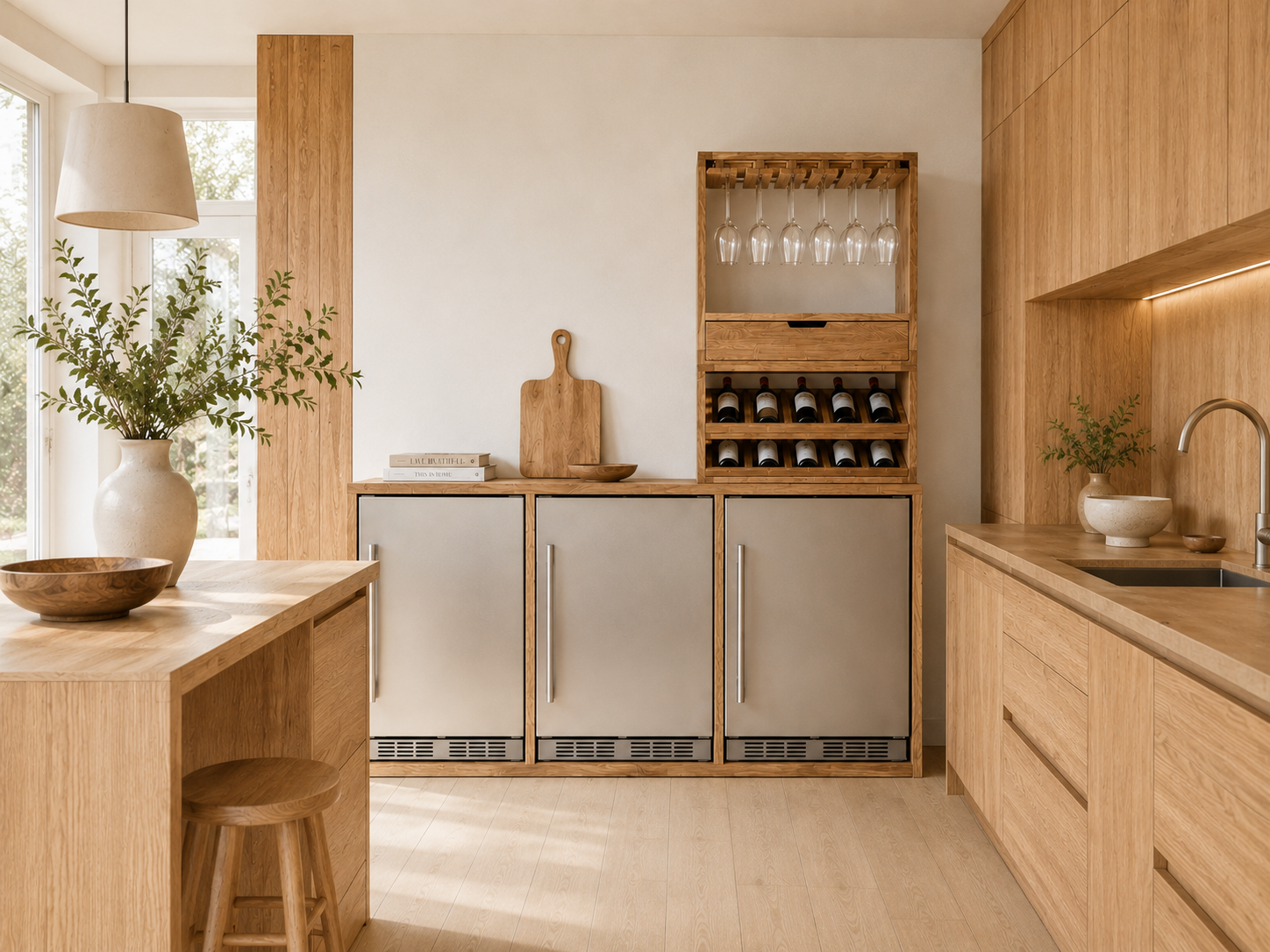
Integrating Storage with Living Spaces
Contemporary wine storage extends beyond dedicated cellars into everyday living areas. Wood wine racks serve as room dividers, kitchen islands, and dining room features that combine practical storage with spatial definition.
For those seeking handcrafted solutions that reflect Scandinavian design principles, premium modular wine racks combine solid oak construction with minimalist aesthetics, offering customizable configurations for residential and commercial applications across Europe.
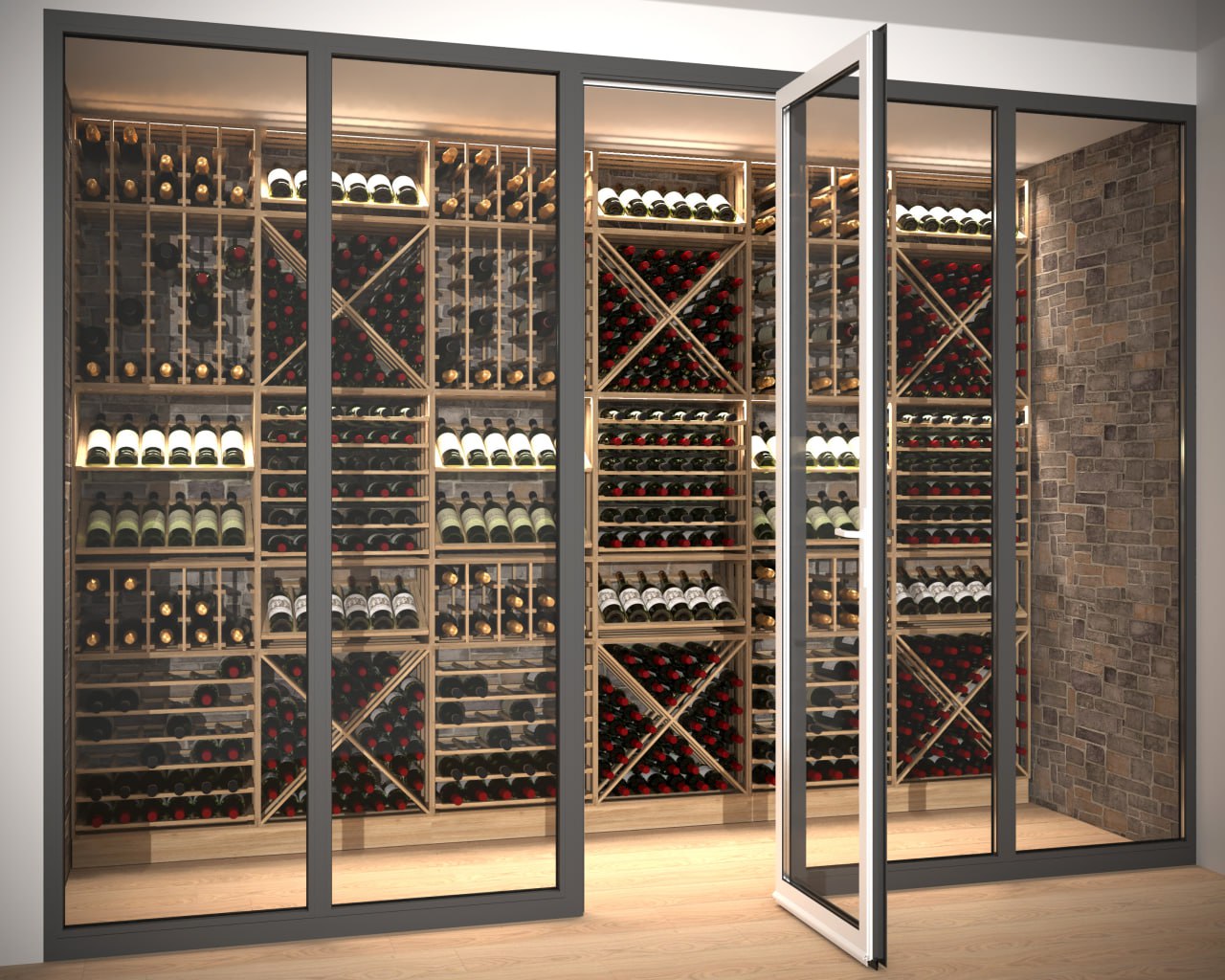
Style Variations Across Design Movements
Wood wine racks interpret diverse aesthetic philosophies, from ornate traditional styles to minimalist contemporary expressions.
Scandinavian Minimalism and Functional Beauty
Scandinavian design prioritizes clean lines, natural materials, and functional elegance. Wood wine racks following this philosophy eliminate unnecessary ornamentation, allowing the timber’s inherent beauty and the bottles’ colours to create visual interest.
This approach suits modern interiors where simplicity and quality materials define sophisticated spaces. The restrained palette and geometric clarity ensure wood wine racks complement rather than compete with surrounding design elements.
Traditional and Rustic Interpretations
Traditional wine rack designs incorporate turned details, decorative moldings, and complex joinery that showcase woodworking mastery. These pieces suit classic interiors where craftsmanship display enhances the overall aesthetic narrative.
Rustic variations embrace wood’s natural imperfections, featuring live edges, visible knots, and textured finishes that celebrate organic character. This style resonates with farmhouse aesthetics and informal entertaining spaces where warmth takes precedence over formality.
Style | Characteristics | Typical Settings | Wood Finishes |
|---|---|---|---|
Scandinavian | Clean lines, modular | Modern homes, minimalist spaces | Natural oil, light stains |
Traditional | Ornate details, classic proportions | Formal dining rooms, wine cellars | Medium to dark stains |
Industrial | Metal accents, reclaimed wood | Lofts, contemporary restaurants | Raw, weathered, or dark finishes |
Rustic | Natural edges, visible character | Country homes, casual spaces | Natural, wax, or transparent oils |
Capacity Planning and Collection Management
Effective wine storage anticipates collection growth whilst accommodating current inventory comfortably.
Calculating Your Storage Requirements
Assessing your needs begins with honest evaluation of your collection habits. Casual enthusiasts requiring storage for a dozen special bottles need different solutions than serious collectors managing hundreds of vintages across multiple varietals and regions.
Consider these factors when determining capacity:
Current collection size and composition
Anticipated annual acquisition rate
Proportion requiring immediate access versus long-term cellaring
Special storage needs for magnums or unusual bottle sizes
Building in 25-30% excess capacity beyond current needs prevents premature obsolescence whilst avoiding overwhelming empty storage that makes spaces appear barren.
Organizing by Varietal, Region, or Consumption Timeline
Strategic organization transforms wine collections from random accumulations into curated inventories. Wood wine racks with distinct sections facilitate logical categorization that simplifies selection during entertaining.
Some collectors prefer geographical organization, grouping Burgundy separately from Bordeaux, whilst others categorize by varietal or intended consumption timeline. The selection of appropriate wooden wine rack designs should support whichever organizational philosophy you adopt.
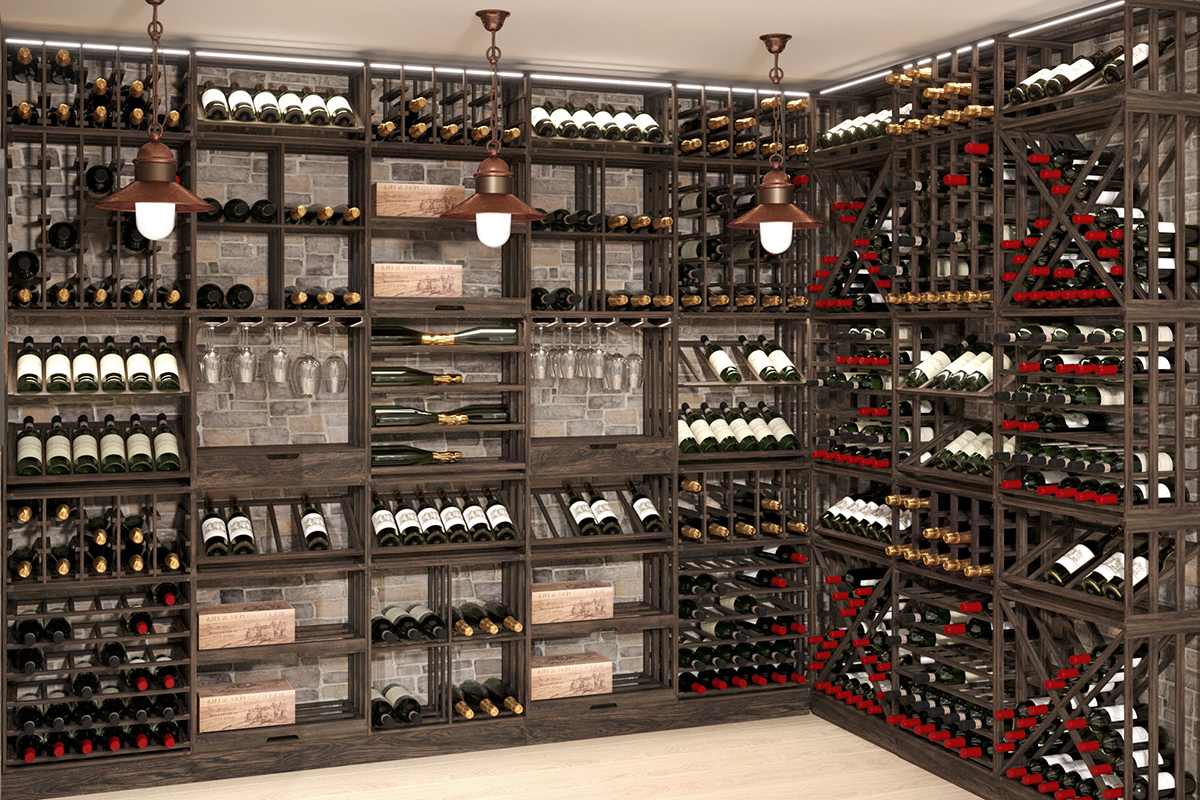
Installation Considerations and Structural Requirements
Proper installation ensures safety, longevity, and optimal performance from wood wine racks.
Load-Bearing Calculations and Wall Mounting
Wine bottles’ combined weight reaches substantial totals quickly. A standard 750ml bottle weighs approximately 1.2 kilograms, meaning a 50-bottle rack contains 60 kilograms of wine alone, before accounting for the rack’s own mass.
Critical installation factors include:
Wall composition and load-bearing capacity
Appropriate fastener selection for mounting surface
Distribution of weight across multiple attachment points
Floor loading considerations for freestanding units
Professional installation becomes advisable for large-capacity systems or valuable wine collections where failure could result in significant loss. Structural engineers can assess whether existing surfaces adequately support planned installations or require reinforcement.
Climate Control and Environmental Placement
While proper wood selection influences performance, placement decisions equally impact wine preservation quality. Positioning wood wine racks away from direct sunlight, heating sources, and exterior walls minimizes temperature fluctuations that compromise wine quality.
Basements and interior spaces naturally provide more stable conditions, though modern climate control systems can create suitable environments throughout homes. The wood’s natural thermal mass contributes to temperature stability, buffering minor environmental variations.
Investment Value and Cost Considerations
Wood wine racks span broad price ranges reflecting materials, craftsmanship, and customization levels.
Assessing Long-Term Value
Initial cost represents only one dimension of value. Superior craftsmanship using premium materials commands higher prices but delivers proportionally extended service lives and greater aesthetic satisfaction.
Consider the total cost of ownership across expected lifespan. A well-crafted solid oak system costing three times a basic pine alternative but lasting five times longer represents superior value whilst providing enhanced daily enjoyment.
Quality indicators worth the premium include:
Solid wood construction throughout, including backing panels
Traditional joinery methods ensuring structural integrity
Hand-applied finishes with appropriate curing time
Customization options for perfect spatial integration
Sustainable sourcing certifications
Commercial Versus Residential Applications
Commercial installations face different value calculations than residential projects. Hospitality venues require wood wine racks that withstand intensive use whilst projecting quality perceptions to guests. The marketing value of impressive wine displays often justifies premium investment in commercial contexts.
Residential purchasers balance functional requirements with budget constraints and aesthetic preferences. Understanding different wood species’ characteristics helps optimize selections for specific needs and financial parameters.
Enhancing Wine Presentation and Display
Beyond pure storage functionality, wood wine racks serve as display platforms showcasing collections to guests and household members.
Lighting Integration and Visual Drama
Thoughtful lighting transforms wine storage into architectural features. LED strips positioned beneath shelves create ambient glow that highlights bottles whilst avoiding heat generation that traditional incandescent lighting produces.
Accent lighting draws attention to featured selections or special vintages, encouraging conversation and creating focal points within larger spaces. The interplay between wood grain, glass bottles, and carefully positioned light sources generates visual interest that static furniture cannot match.
Combining Storage with Serving Accessories
Comprehensive wine storage solutions integrate related accessories within cohesive designs. Incorporating stemware holders, decanter platforms, and accessory drawers creates complete serving stations that streamline entertaining whilst maintaining organized aesthetics.
These integrated approaches prove particularly valuable in dining rooms and entertainment spaces where wine service occurs regularly. Consolidating everything within unified wood wine racks eliminates scattered storage across multiple furniture pieces.
Future-Proofing Your Wine Storage Investment
Anticipating evolving needs ensures your wine storage system remains relevant as circumstances change.
Adaptable Designs for Changing Collections
Wine collecting patterns evolve as enthusiasts explore new regions, discover different styles, or shift consumption preferences. Modular wood wine racks accommodate these transitions through reconfigurable components that adjust to changing requirements without requiring complete replacement.
This adaptability proves especially valuable for serious collectors whose inventories fluctuate substantially as bottles are consumed and new acquisitions arrive. Static systems quickly become mismatched to actual storage needs, whilst flexible designs evolve alongside collections.
Complementing Other Furniture Elements
Cohesive interior design considers how individual pieces relate to broader aesthetic narratives. Selecting wood wine racks that complement existing furniture creates harmonious environments where each element reinforces others’ impact.
Matching timber species, finish techniques, and design vocabularies across furniture creates sophisticated interiors that appear thoughtfully composed rather than randomly assembled. This consideration becomes particularly important in open-plan living spaces where wine storage remains constantly visible.
Wood wine racks combine practical wine preservation with aesthetic enhancement, offering solutions that protect valuable collections whilst beautifying living spaces. Selecting appropriate timber species, construction methods, and design configurations ensures your investment delivers decades of reliable service and daily enjoyment. Museliving specializes in handcrafted Scandinavian-inspired wine storage systems made from FSC-certified oak and pine, offering customizable modular solutions for residential and commercial applications across Europe. Explore how premium solid wood construction and made-to-order craftsmanship can transform your wine storage needs into elegant interior features.