



Oak has stood as the cornerstone of quality furniture craftsmanship for centuries, valued for its exceptional durability, distinctive grain patterns, and ability to adapt to evolving design trends. From medieval halls to contemporary minimalist interiors, this remarkable hardwood continues to prove its worth in homes, restaurants, hotels, and commercial spaces across Europe and beyond. Understanding the unique characteristics and benefits of oak furniture enables homeowners and interior designers to make informed decisions that balance aesthetic appeal with long-term value and environmental responsibility.
The Enduring Appeal of Solid Oak Construction
Oak’s reputation as a premium furniture material stems from its fundamental physical properties. The wood boasts a density that resists wear whilst maintaining workability during manufacturing processes, allowing craftsmen to create intricate joinery and refined details that enhance both structural integrity and visual appeal.
Natural Strength and Longevity
The cellular structure of oak contains high concentrations of tannins and lignin, creating a natural resistance to decay, moisture damage, and pest infestation. These inherent protective qualities translate directly into furniture that withstands decades of daily use without compromising functionality. Properly maintained oak pieces often become treasured heirlooms, passing through generations whilst retaining their original character and structural soundness.
Key durability factors include:
Dense grain structure that resists denting and scratching
Natural resistance to moisture-induced warping
Stable dimensional properties across temperature fluctuations
Inherent antimicrobial properties from tannin content
Research published by the U.S. Forest Service on oak furniture manufacturing confirms the material’s exceptional stability and workability, characteristics that have made it a preferred choice for both traditional and contemporary furniture makers.
Aesthetic Versatility Across Design Styles
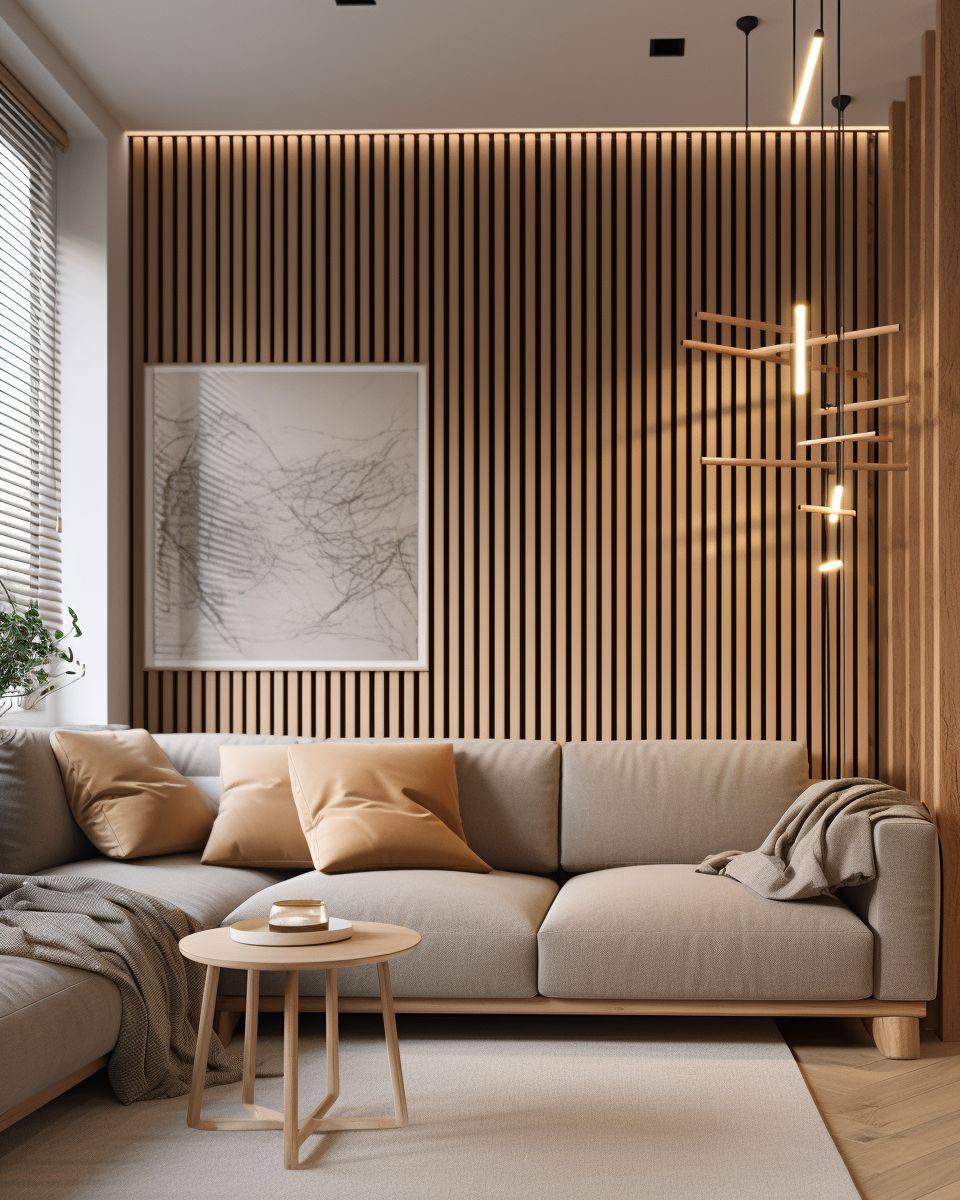
Oak’s visual characteristics adapt remarkably well to diverse interior design philosophies. The pronounced grain patterns create natural texture that adds depth and warmth to minimalist Scandinavian interiors, whilst the wood’s substantial presence complements more traditional or rustic aesthetics equally well.
Modern finishing techniques expand oak’s aesthetic range considerably. Natural oil finishes preserve the wood’s golden honey tones, creating bright, welcoming spaces. Smoking processes introduce rich chocolate and espresso hues that suit sophisticated contemporary interiors. White-washed or limed treatments offer lighter alternatives that maintain the distinctive grain whilst brightening rooms.
Sustainability and Environmental Responsibility
Choosing oak furniture increasingly represents a conscious decision toward environmental stewardship. Forest Stewardship Council (FSC) certification ensures that oak timber originates from responsibly managed forests where harvesting practices support ecosystem health and long-term woodland regeneration.
The Carbon Storage Advantage
Solid wood furniture functions as long-term carbon storage, sequestering atmospheric CO2 throughout the tree’s growth and retaining it within the finished piece. This carbon remains locked away for the furniture’s entire lifespan, which for quality oak pieces often extends beyond a century. Manufacturing processes for solid wood also require significantly less energy than producing synthetic alternatives or highly processed composite materials.
Environmental Factor | Solid Oak | Composite Materials | Metal Furniture |
|---|---|---|---|
Carbon Sequestration | High (long-term storage) | Low to Moderate | None |
Manufacturing Energy | Low to Moderate | High | Very High |
Lifespan | 50-100+ years | 10-20 years | 20-40 years |
End-of-Life Impact | Biodegradable/Recyclable | Landfill | Energy-intensive recycling |
Repair Potential | High | Low | Moderate |
The extended lifespan of oak furniture reduces replacement frequency, minimizing the environmental impact associated with manufacturing, transport, and disposal cycles. This durability-focused approach aligns with circular economy principles, where quality and longevity take precedence over disposable consumption patterns.
Responsible Sourcing Practices
European oak forests benefit from strict management protocols that mandate replanting, biodiversity protection, and sustainable harvesting quotas. These regulations ensure that furniture production supports rather than depletes forest resources. Manufacturers committed to transparency provide documentation tracking timber from certified forests through each production stage, offering consumers verifiable assurance of ethical sourcing.
Design Considerations for Contemporary Spaces
Integrating oak furniture into modern interiors requires thoughtful consideration of proportion, finish, and contextual placement. The wood’s natural presence commands attention, making it ideal for statement pieces whilst requiring careful balance to avoid overwhelming smaller rooms.
Scandinavian Minimalism and Oak
Nordic design philosophy celebrates oak’s natural beauty through clean lines, functional forms, and honest material expression. This approach eliminates unnecessary ornamentation, allowing the wood’s inherent grain patterns and tonal variations to provide visual interest. Tapered legs, rounded edges, and smooth surfaces create lightness despite the material’s substantial nature.
Scandinavian oak furniture characteristics:
Emphasis on functionality and practical storage
Subtle joinery that showcases craftsmanship without ostentation
Natural or light oil finishes that preserve wood colour
Modular designs that adapt to changing spatial needs
Integration of negative space to maintain visual openness
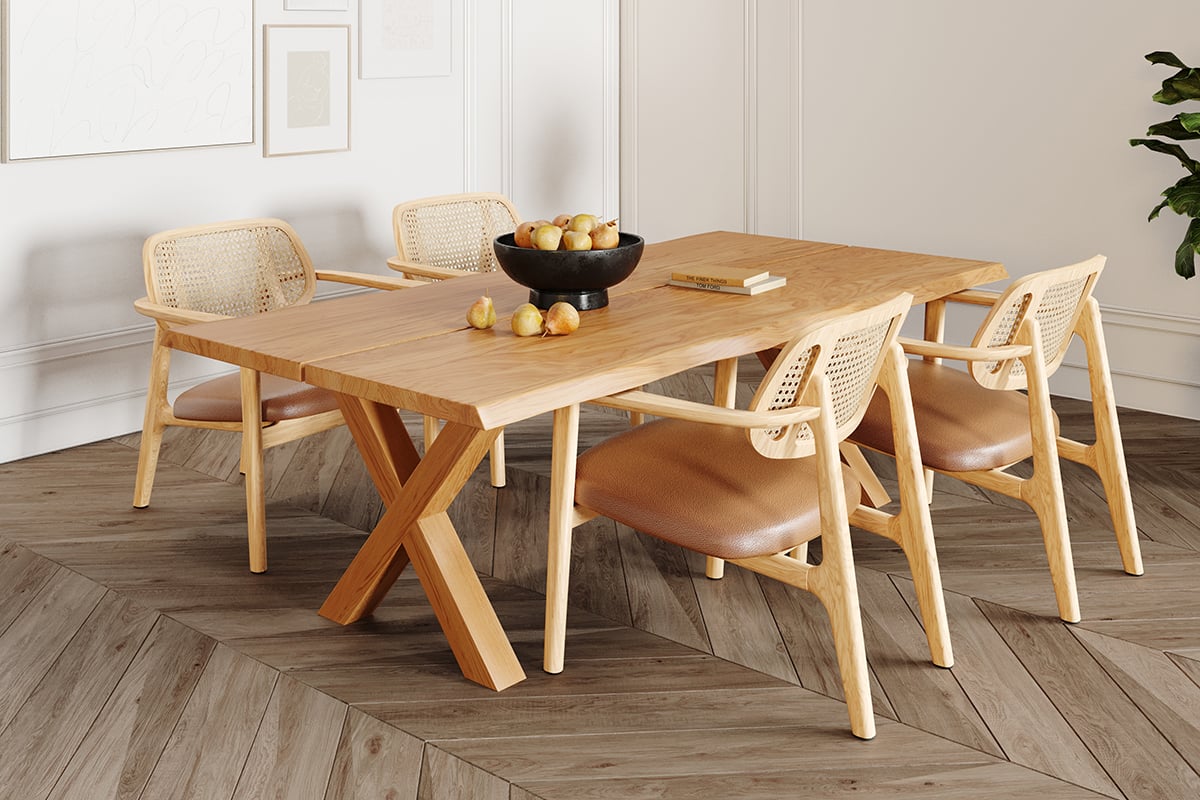
When selecting dining tables for your home, consider how the scale and finish of oak pieces interact with surrounding elements. A well-crafted table becomes the centrepiece of family gatherings and entertaining, combining daily practicality with special occasion elegance. Museliving dining tables exemplify this balance, offering customizable dimensions and finishes that suit diverse interior requirements whilst maintaining the timeless quality of handcrafted solid wood.
Commercial Applications and Brand Identity
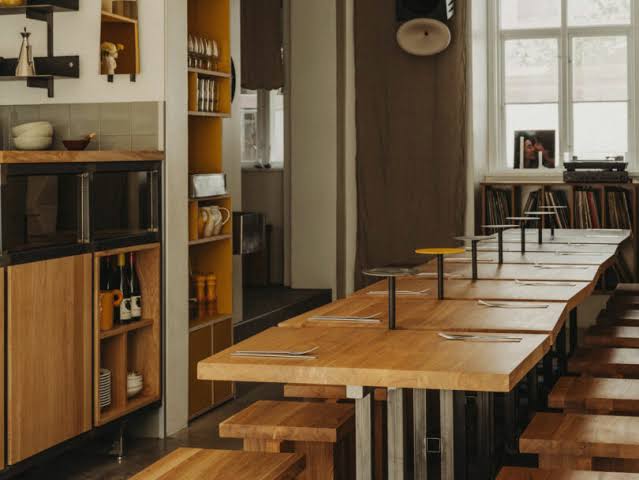
Restaurants, hotels, and office environments increasingly specify oak furniture to communicate values of quality, sustainability, and permanence. The material’s durability proves essential in high-traffic commercial settings where replacement costs and disruption penalties make longevity economically vital.
Oak’s tactile warmth creates welcoming atmospheres in hospitality venues, encouraging guests to linger whilst projecting sophistication. Conference rooms furnished with solid oak tables and storage pieces convey corporate stability and environmental consciousness, attributes increasingly important to stakeholders and employees alike.
Maintenance and Long-Term Care
Preserving oak furniture’s beauty and functionality requires minimal but consistent attention. Unlike delicate materials demanding specialized treatments, oak responds well to straightforward maintenance routines that protect the wood whilst respecting its natural characteristics.
Daily and Weekly Practices
Regular maintenance tasks:
Dust with soft, dry cloths to prevent abrasive particle accumulation
Wipe spills immediately using slightly damp cloths
Use coasters and placemats to protect surfaces from heat and moisture
Maintain stable indoor humidity between 40-60% to prevent movement
Rotate decorative items periodically to ensure even aging and patina development
Avoid harsh chemical cleaners, silicone-based polishes, and abrasive scrubbing tools that damage oil finishes or scratch wood surfaces. Simple solutions of mild soap and water suffice for periodic deep cleaning, followed by thorough drying to prevent moisture penetration.
Refinishing and Restoration
Oak’s thickness and density enable multiple refinishing cycles throughout its lifespan. Surface scratches, minor dents, and finish deterioration respond well to professional restoration, effectively renewing pieces to near-original condition. This repairability represents a significant advantage over composite materials that lack sufficient material depth for meaningful refinishing.
Finish Type | Maintenance Frequency | Refinishing Complexity | Typical Lifespan Before Refinish |
|---|---|---|---|
Natural Oil | 6-12 months (light application) | Low (DIY-friendly) | 5-10 years |
Hard Wax Oil | 12-24 months | Low to Moderate | 8-15 years |
Lacquer | As needed (minimal) | High (professional recommended) | 10-20 years |
Soap Finish | Monthly (soap treatment) | Low (DIY-friendly) | Ongoing maintenance, no full refinish |
Oil-finished oak particularly suits DIY maintenance, accepting fresh applications that nourish the wood and refresh appearance without professional intervention. This accessibility empowers owners to maintain their furniture’s condition actively, fostering deeper connections with pieces that evolve alongside household life.
Historical Context and Cultural Significance
Understanding oak furniture’s historical role enriches appreciation for contemporary pieces that build upon centuries of accumulated craftsmanship knowledge. The detailed research compiled in Oak Furniture: The British Tradition provides comprehensive insights into the evolution of oak furniture design across the British Isles and beyond.
Medieval Foundations
Oak dominated European furniture production from medieval times through the 17th century, chosen for its availability, strength, and symbolic associations with permanence and nobility. Craftsmen developed sophisticated joinery techniques including mortise-and-tenon joints, dovetails, and pegged construction that required no metal fasteners yet created structurally sound pieces capable of supporting substantial loads.
Panelled construction emerged as a solution to oak’s natural tendency toward seasonal movement. By housing thin panels within grooved frames, furniture makers allowed the wood to expand and contract without splitting or warping, a principle that remains fundamental to quality solid wood furniture construction today.
Evolution Through Changing Aesthetics
The 18th century saw oak temporarily displaced by mahogany and other imported exotics in fashionable circles, though it remained prevalent in rural vernacular furniture and institutional settings. The Arts and Crafts movement of the late 19th century sparked renewed appreciation for oak’s honest materiality and connection to traditional craftsmanship, influencing designers who rejected industrial mass production in favour of handmade quality.
Modern design movements recognized oak’s potential for clean, functional aesthetics. Scandinavian designers particularly championed the wood’s natural beauty, developing treatments and forms that emphasized grain patterns whilst achieving unprecedented lightness and simplicity. This legacy continues influencing contemporary furniture design, where oak frequently anchors collections that balance tradition with innovation.
Investment Value and Market Positioning
Quality oak furniture appreciates rather than depreciates, particularly pieces demonstrating exceptional craftsmanship, historical significance, or designer provenance. This investment potential distinguishes solid oak from mass-market alternatives, appealing to consumers who view furniture purchases through long-term value lenses rather than short-term cost considerations.
Estate agents and property stylists recognize oak furniture’s role in elevating property presentations, where quality furnishings signal careful home stewardship and sophisticated taste to potential buyers.
Technical Specifications and Selection Criteria
Informed oak furniture selection requires understanding technical factors that influence performance, appearance, and suitability for specific applications. These specifications enable meaningful comparisons between offerings whilst ensuring purchases align with functional requirements and aesthetic goals.
Grain Patterns and Cut Types
Quarter-sawn oak displays pronounced ray fleck patterns resulting from cuts perpendicular to growth rings. This cutting method produces exceptional dimensional stability whilst creating distinctive visual effects prized for formal furniture and statement pieces. The process yields less usable timber per log, contributing to higher costs.
Plain-sawn oak cuts tangles to growth rings, producing cathedral grain patterns with flowing lines and curves. This more economical cutting method provides excellent material yields whilst creating varied visual interest suited to casual and contemporary designs.
Rift-sawn oak splits the difference, cutting at intermediate angles that minimize ray fleck whilst producing straight, consistent grain. This approach offers good stability and clean aesthetics ideal for modern minimalist designs.
Moisture Content and Acclimation
Proper kiln-drying reduces oak’s moisture content to levels appropriate for indoor furniture use, typically 6-8% for European climates. Timber must then acclimate to the specific installation environment before final manufacturing, allowing equilibrium moisture content to stabilize and minimize post-production movement.
Rushing this process risks joints loosening, panels cracking, or finishes failing as the wood adjusts to ambient conditions. Quality manufacturers incorporate adequate acclimation periods into production schedules, accepting longer lead times to ensure long-term stability.
Customization and Made-to-Order Advantages
Mass-produced furniture prioritizes cost efficiency through standardization, often compromising dimensional flexibility and material quality. Made-to-order oak furniture inverts this equation, offering customization that addresses specific spatial constraints, functional requirements, and aesthetic preferences whilst maintaining premium material and construction standards.
Tailored Dimensions and Configurations
Customization options typically include:
Precise length, width, and height specifications for optimal space utilization
Drawer and shelf configurations matching storage needs
Finish selections coordinating with existing interiors
Hardware choices reflecting personal style preferences
Joinery method specifications for particular durability or aesthetic requirements
This flexibility proves particularly valuable in older properties with non-standard dimensions, open-plan spaces requiring furniture to define zones, or commercial settings where brand consistency demands specific dimensions and finishes across multiple locations.
The Craft Behind Custom Production
Handcrafted production enables adjustments throughout manufacturing, allowing experienced craftsmen to respond to individual timber characteristics and customer requirements that automated production cannot accommodate. This human oversight ensures optimal material utilization, refined joinery, and finish quality that elevates pieces beyond industrial manufacturing capabilities.
The relationship between maker and customer throughout custom commissions often yields furniture that better serves actual needs than off-the-shelf alternatives selected through compromise. This collaborative process creates pieces with genuine personal significance, fostering long-term satisfaction and emotional connection that transcends purely functional utility.
Integration with Contemporary Interior Trends
Oak furniture’s adaptability ensures relevance across shifting design trends, from maximalist eclecticism to austere minimalism. Current interior movements particularly favour materials demonstrating authenticity, sustainability, and tactile warmth-attributes oak delivers inherently.
Biophilic Design and Natural Materials
Research increasingly links natural material exposure to improved wellbeing, reduced stress, and enhanced cognitive function. Biophilic design principles incorporate these findings, specifying natural wood furniture as essential elements creating psychologically supportive environments. Oak’s pronounced grain and organic colour variations provide visual complexity that maintains interest without overwhelming, supporting focus in workspaces whilst creating relaxation in residential settings.
Textural Layering and Material Contrast
Contemporary interiors frequently combine multiple material palettes to create depth and visual interest. Oak furniture provides foundational warmth and texture against which cooler elements like metal, glass, and concrete create dynamic contrast. This layering approach prevents monotony whilst grounding spaces in natural materiality that offsets potentially sterile modern materials.
Mixing oak finishes within single spaces adds subtle variation without creating disjointed aesthetics. Natural and smoked oak pairings offer tonal range whilst maintaining material continuity, enabling designers to delineate zones or highlight specific pieces without introducing jarring contrasts.
Oak furniture represents far more than aesthetic choice-it embodies commitments to quality, sustainability, and timeless design that serve homeowners and commercial clients alike for generations. Whether furnishing intimate residential spaces or ambitious commercial projects, the decision to specify oak reflects values increasingly central to conscious consumption and environmental responsibility. Museliving combines these principles with Scandinavian design excellence, offering customizable solid wood furniture crafted from FSC-certified oak and delivered across Europe. Explore how our handcrafted tables, shelving, and bespoke solutions can transform your interior vision into lasting reality.