



Selecting a wine rack represents more than simply finding storage for bottles. It’s about creating a focal point that marries functionality with aesthetic appeal whilst protecting valuable wine collections through thoughtful design and quality materials. Whether you’re furnishing a residential space, restaurant, or commercial wine cellar, understanding the fundamentals of wine rack construction, material selection, and spatial considerations ensures your investment delivers lasting value and visual impact.
Understanding Wine Rack Fundamentals
A wine rack serves multiple purposes beyond mere storage. Proper wine racks maintain bottles at the correct horizontal angle, keeping corks moist and preventing oxidation. This horizontal positioning proves essential for long-term wine preservation, particularly for collections intended to mature over years or decades.
Core Design Specifications
When evaluating wine rack options, several essential design specifications determine both functionality and longevity. Standard bottle compartments typically measure 95-100mm in diameter and 300-350mm in depth, accommodating most wine bottle sizes whilst allowing easy retrieval.
Key design elements include:
Bottle capacity: Ranges from compact 12-bottle units to extensive cellar systems storing hundreds
Depth requirements: Minimum 300mm to secure bottles fully
Opening diameter: 95-100mm standard, 110-120mm for larger format bottles
Vertical spacing: 100-120mm between rows for comfortable access
The structural integrity of a wine rack depends heavily on joinery methods and material thickness. Solid wood constructions with mortise-and-tenon joints offer superior stability compared to dowel-based assemblies, particularly for larger installations spanning multiple metres.
Material Selection for Durability and Style
Choosing appropriate materials fundamentally impacts both the longevity and aesthetic contribution of a wine rack. Top materials for building durable wine racks include solid hardwoods, engineered composites, and metals, each offering distinct advantages.
Solid Wood Options
Premium hardwoods represent the gold standard for wine rack construction. Oak, particularly FSC-certified varieties, delivers exceptional strength, beautiful grain patterns, and natural resistance to warping. The material’s density ensures stability under load whilst its timeless appearance complements both traditional and contemporary interiors.
Oak variations include:
Natural oak with clear protective finishes
Smoked oak offering deeper tones and enhanced character
Oil-finished oak providing rich, natural aesthetics
Stained oak matching specific interior palettes
Pine offers a lighter alternative with distinct grain characteristics. When properly treated, pine delivers adequate structural performance at a lower price point, though it requires more careful handling and maintenance than denser hardwoods.
Material | Density | Durability | Aesthetic | Sustainability |
|---|---|---|---|---|
Oak | High | Excellent | Classic elegance | FSC-certified available |
Smoked Oak | High | Excellent | Contemporary depth | FSC-certified available |
Pine | Medium | Good | Rustic warmth | Widely renewable |
Metal | High | Very good | Industrial modern | Recyclable |
The thermal properties of wood provide natural insulation, helping maintain stable temperature conditions around stored bottles. This characteristic makes timber particularly suitable for residential environments where climate control systems may not match commercial cellar specifications.
Why Choose Museliving for Your Wine Storage
Museliving specialises in handcrafted solid wood wine racks that combine Scandinavian design, premium craftsmanship, and long-lasting functionality. Every wine rack is made to order using carefully selected FSC-certified oak or high-quality pine, ensuring exceptional durability, structural stability, and a timeless appearance that complements both modern and traditional interiors. Rather than offering one-size-fits-all solutions, Museliving focuses on modular systems that can be configured to suit any space—from compact home collections to full-height wine walls for restaurants, hotels, wine bars, and private cellars.
Each wine rack is designed with both aesthetics and practical wine storage in mind. Precise bottle spacing, robust joinery, and high-quality materials ensure reliable support for years of everyday use while allowing bottles to be stored safely in the optimal horizontal position. The modular construction also makes it easy to expand a collection over time by adding new sections without replacing the existing installation.
Museliving provides custom wine storage solutions that combine Scandinavian simplicity, exceptional craftsmanship, and practical flexibility for every collection.
Spatial Planning and Measurement
Accurate measurement forms the foundation of successful wine rack installation. Proper measuring techniques prevent costly errors and ensure optimal use of available space, whether you’re planning a compact wall-mounted unit or an extensive cellar system.
Assessing Available Space
Begin by documenting the intended installation area’s dimensions, including:
Wall width and height
Floor-to-ceiling clearance
Depth available (accounting for skirting boards and fixtures)
Door swing radius and circulation pathways
Proximity to heat sources and external walls
A wine rack requires sufficient clearance for comfortable bottle access. Allow minimum 600-750mm in front of the unit for easy retrieval and 100-150mm above the topmost bottles for overhead clearance. Corner installations demand particular attention to ensure both sides remain accessible.
Consider future expansion when planning capacity. Collections typically grow, so selecting modular systems that accept additional sections proves more economical than replacing entire units as requirements increase.
Configuration Options
Freestanding models offer flexibility and portability. These units range from small sideboard-style pieces holding 12-24 bottles to substantial floor-standing systems accommodating hundreds. Freestanding designs integrate easily into dining rooms, kitchens, or dedicated wine storage areas without permanent installation.
Built-in installations provide seamless integration with existing cabinetry and architectural features. Custom-built wine storage can transform underutilised spaces beneath staircases, within alcoves, or as room dividers. Materials and construction for built-in wine racks demand precise measurement and professional installation to achieve flush, integrated results.
Modular Systems and Customisation
Modular wine rack systems represent intelligent solutions for evolving storage requirements. These configurations allow incremental expansion, enabling collectors to start with foundational units and add sections as collections grow or spatial arrangements change.
The flexibility of modular designs extends beyond simple capacity increases. Individual modules can combine to create varied layouts, incorporating display shelving, glass storage, or decorative elements alongside bottle positions. This versatility proves particularly valuable in commercial applications where restaurant or hotel requirements may shift with menu changes or seasonal offerings.
For those seeking truly personalised solutions, custom furniture options allow specification of exact dimensions, finishes, and configurations tailored to unique architectural constraints or design visions. Bespoke wine storage integrates seamlessly with broader interior schemes, matching existing furniture pieces or establishing cohesive aesthetic themes throughout hospitality spaces.
Design Styles and Aesthetic Considerations
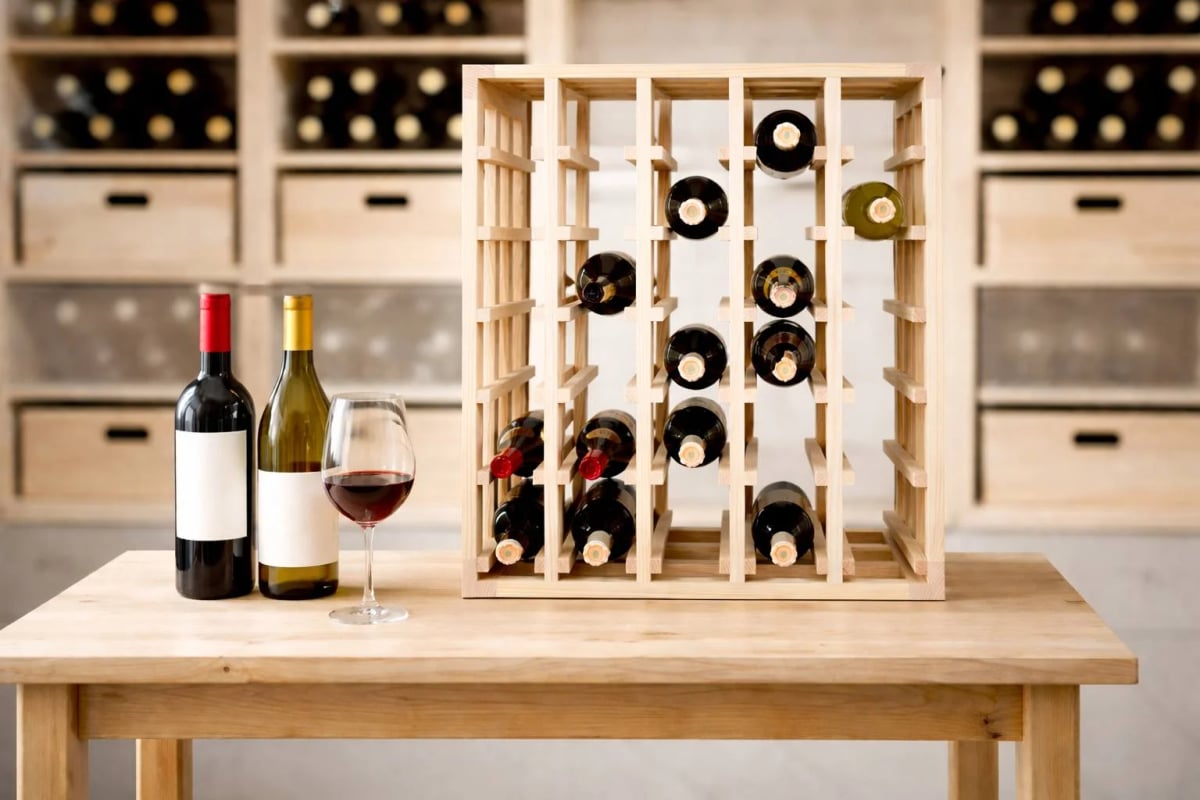
A wine rack contributes significantly to interior ambience beyond its practical function. Scandinavian-inspired designs emphasise clean lines, natural materials, and functional beauty, creating storage solutions that enhance rather than clutter living spaces.
Minimalist Approaches
Contemporary minimalism favours unadorned solid wood with simple geometric forms. These designs allow the natural beauty of timber grain and colour to serve as primary decorative elements. Minimalist wine racks complement modern interiors whilst providing understated elegance that won’t date as trends evolve.
Characteristics include:
Clean horizontal and vertical lines
Absence of ornamental details
Emphasis on material quality and craftsmanship
Neutral colour palettes derived from natural finishes
Open frameworks maintaining visual lightness
Traditional and Rustic Styles
Traditional wine rack designs incorporate more substantial timber dimensions, darker finishes, and occasionally decorative elements like turned posts or carved details. These styles suit period properties, country homes, or hospitality venues cultivating classic, established atmospheres.
Rustic interpretations celebrate timber’s natural characteristics, including knots, grain variation, and texture. Burnt pine finishes, for instance, create distinctive visual depth through controlled charring techniques that enhance grain patterns whilst adding protective properties.
Style | Best Settings | Key Features | Material Finish |
|---|---|---|---|
Minimalist Scandinavian | Modern homes, contemporary restaurants | Clean lines, functional design | Natural oak, light oils |
Industrial Modern | Lofts, urban bars, cafés | Metal accents, exposed joints | Smoked oak, raw steel |
Traditional Classic | Period homes, wine cellars | Substantial timber, rich tones | Dark oak stains, varnish |
Rustic Organic | Country homes, farmhouse kitchens | Natural edges, visible grain | Burnt pine, natural wax |
Sustainability in Wine Rack Production
Environmental consciousness increasingly influences furniture purchasing decisions. Sustainable wine rack production encompasses responsible material sourcing, efficient manufacturing processes, and designs promoting longevity over disposability.
Certified Materials and Responsible Sourcing
FSC-certified timber guarantees wood originates from responsibly managed forests where harvesting practices support ecological balance and community welfare. This certification provides transparency throughout supply chains, ensuring environmental claims withstand scrutiny.
Beyond certification, sustainability extends to local sourcing where feasible, reducing transportation emissions and supporting regional forestry industries. European manufacturers sourcing timber within continental boundaries minimise carbon footprints whilst maintaining quality control throughout production.
Durability and Lifecycle Considerations
The most sustainable furniture is that which requires no replacement. Quality construction using premium materials ensures wine racks serve multiple generations, avoiding landfill contributions from disposable products. Solid timber racks accept refinishing, allowing periodic aesthetic updates without discarding structural elements.
When choosing wine racks, evaluating construction quality proves as important as initial aesthetics. Examine joinery methods, finish quality, and structural design to assess long-term performance. Well-constructed wine racks appreciate as they develop patina, becoming valued interior features rather than dated items requiring replacement.
Installation and Placement Strategies
Strategic placement optimises both wine preservation and interior flow. A wine rack positioned incorrectly compromises stored bottles whilst disrupting spatial functionality, regardless of design quality or material excellence.
Environmental Considerations
Wine storage ideally maintains consistent temperatures between 10-15°C with minimal fluctuation. Whilst dedicated cellars achieve precise climate control, residential installations require thoughtful positioning to approximate optimal conditions.
Avoid placing wine racks:
Against external walls exposed to seasonal temperature swings
Near radiators, boilers, or other heat sources
In direct sunlight paths, particularly south-facing positions
Adjacent to vibration sources like washing machines or heavy traffic areas
In excessively humid spaces like unventilated basements
Interior walls within climate-controlled living areas typically provide suitable environments. North-facing positions minimise solar exposure, whilst ground-floor locations benefit from cooler temperatures compared to upper storeys where heat accumulates.
Structural Mounting Requirements
Freestanding units require level flooring to prevent stress on joints and ensure bottles rest securely. Shims or adjustable feet compensate for uneven surfaces, distributing weight evenly across supporting structures.
Capacity Planning for Different Applications
Appropriate capacity depends entirely on collection size, growth projections, and usage patterns. Residential collectors, hospitality venues, and commercial wine sellers face distinct requirements demanding different storage approaches.
Residential Collections
Home wine enthusiasts typically maintain collections ranging from a dozen special bottles to several hundred carefully curated selections. Starting with 50-100 bottle capacity provides comfortable storage for casual collectors whilst allowing expansion through modular additions.
Serious collectors with 200+ bottles often dedicate specific rooms or understairs areas to wine storage, implementing multiple rack systems or custom-built installations. These larger residential projects benefit from professional design input to optimise space utilisation and environmental control.
Hospitality and Commercial Applications
Restaurants require readily accessible storage for current wine lists alongside reserve stock for special occasions or ageing. Display-focused racks showcasing bottles to diners serve marketing purposes whilst functional back-of-house storage maximises capacity within limited spaces.
Hotels and bars similarly balance display aesthetics with practical volume requirements. Modular systems allow configuration adjustments as wine programmes evolve, accommodating list expansions or focus shifts between varietals and regions.
Retail wine merchants prioritise capacity and accessibility, often implementing extensive racking systems throughout dedicated sales floors. Commercial installations typically combine materials, using premium wood displays for featured selections whilst maximising volume storage through metal or composite systems in less visible areas.
Maintenance and Long-term Care
Quality wine racks require minimal maintenance when properly constructed from premium materials, though periodic attention preserves appearance and functionality across decades of service.
Cleaning and Surface Care
Dust accumulation on wine rack surfaces diminishes visual appeal and can transfer to bottles. Regular gentle dusting with soft cloths maintains cleanliness without scratching timber finishes. Avoid silicone-based polishes that build residue over time, instead using products specifically formulated for wood furniture or simple damp cloths for sealed surfaces.
Oil-finished timber benefits from periodic reapplication, typically annually or when surfaces appear dry. Natural oils penetrate wood fibres, nourishing timber whilst enhancing grain visibility and providing moisture resistance. Application requires thorough surface cleaning, thin oil application, and adequate drying time before reloading bottles.
Structural Inspections
Annual inspections verify that fixings remain secure, joints haven’t loosened, and no structural damage threatens safety or functionality. Wall-mounted units particularly warrant attention, as anchor points may shift over time, especially in older properties where wall materials settle.
Check for:
Loose screws or anchoring points
Joint separation or movement
Surface damage from bottle contact
Finish deterioration requiring attention
Environmental issues like moisture accumulation or pest activity
Address minor issues promptly before they escalate into significant problems requiring expensive repairs or complete replacements.
Integration with Interior Design Schemes
A wine rack functions as furniture first, storage second. Successful integration considers how wine storage contributes to broader interior narratives, complementing existing pieces whilst adding functional beauty.
Coordinating with Existing Furniture
Matching timber species and finishes creates visual continuity throughout spaces. An oak wine rack echoing dining table timber and finish establishes cohesive design language, particularly effective in open-plan living areas where multiple functional zones share visual fields.
Alternatively, contrasting materials create intentional focal points. A darker smoked oak wine rack against lighter wall colours draws attention, celebrating wine storage as a design feature rather than concealing it as purely utilitarian.
Balancing Functionality and Display
Some collections deserve showcase presentation whilst others prioritise discrete storage. Open framework designs display bottles as decorative elements, their varied labels and colours adding visual interest. Enclosed or partially enclosed configurations suit collectors preferring understated elegance or protecting valuable vintages from light exposure.
Hybrid approaches incorporate both display positions for current favourites and enclosed storage for reserve bottles. This flexibility accommodates practical requirements whilst satisfying aesthetic preferences, creating wine storage that serves multiple purposes within single installations.
Choosing a wine rack requires balancing aesthetic preferences, functional requirements, and quality considerations to ensure investments deliver lasting value. Premium materials, thoughtful design, and sustainable production methods create wine storage solutions that protect collections whilst enhancing interior spaces. Museliving specialises in handcrafted Scandinavian wine racks manufactured from FSC-certified solid oak, smoked oak, and pine, delivering customisable modular systems across Europe. Our made-to-order approach ensures every installation perfectly matches your spatial requirements, collection size, and interior design vision with exceptional attention to detail and sustainable craftsmanship.