



A designer wine rack represents far more than functional storage. It embodies the intersection of craftsmanship, sustainability, and aesthetic vision, transforming bottles into a curated display that enhances your living space. Whether you’re furnishing a residential dining room, boutique restaurant, or contemporary wine cellar, selecting the right wine storage solution requires understanding , desigmaterialsn philosophy, and how these pieces integrate into modern interiors. As conscious consumers increasingly prioritize quality over quantity, investing in premium, handcrafted furniture reflects a commitment to lasting value and environmental responsibility.
Understanding Designer Wine Rack Fundamentals
The term “designer wine rack” encompasses pieces created with intentional aesthetic vision and superior construction methods. Unlike mass-produced alternatives, these storage solutions prioritize architectural integrity and material authenticity.
According to traditional wine rack design principles, proper storage maintains horizontal bottle positioning, preserving cork moisture and wine quality. Designer interpretations elevate this functional necessity into sculptural statements that command attention whilst serving practical purposes.
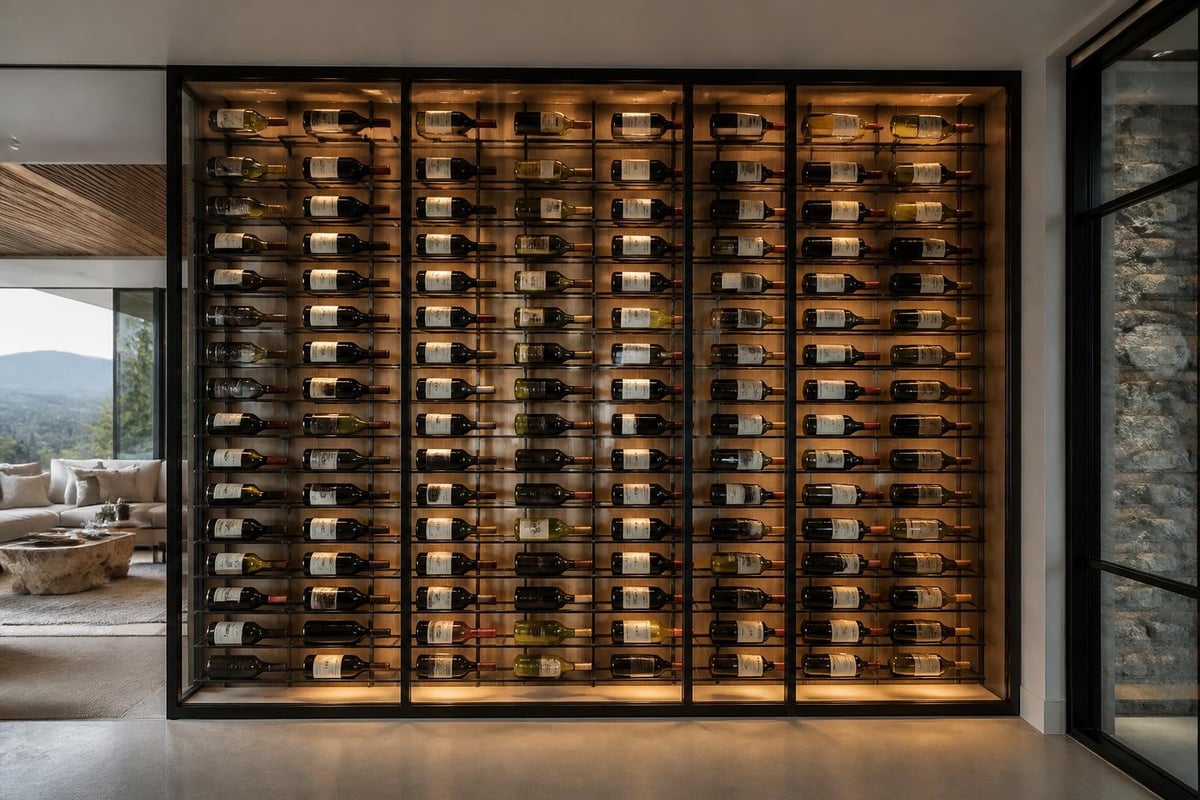
Museliving: Scandinavian Design Meets Exceptional Craftsmanship
Museliving specializes in handcrafted Scandinavian-inspired furniture manufactured in Ukraine and delivered throughout Europe. Every wine rack is designed to combine timeless design with practical functionality, allowing customers to create elegant wine storage solutions for homes, restaurants, hotels, and dedicated wine cellars.
Rather than mass-producing furniture, Museliving creates each piece with exceptional attention to detail. Experienced craftsmen carefully work with FSC-certified solid oak, smoked oak, pine, and burnt pine, transforming natural materials into timeless furniture that balances beauty, durability, and functionality. Customers can personalize dimensions, finishes, and modular configurations to create wine storage solutions that perfectly complement their interiors while preserving the clean, minimalist character of Scandinavian design.
Material Selection and Sustainability
Solid wood remains the premier choice for designer wine storage, offering durability, natural beauty, and environmental credentials when sourced responsibly. FSC-certified oak provides superior strength, repairability and longevity compared with particleboard or MDF alternatives.
Smoked oak creates a sophisticated dark finish for modern interiors. Pine and burnt pine alternatives offer lighter aesthetic options with distinctive textural qualities. Each material choice influences visual weight, colour palette integration, and maintenance requirements.
Sustainable production practices extend beyond material sourcing. Conscious manufacturers implement waste reduction protocols, energy-efficient processes, and local production networks that minimize transportation impacts. When selecting a designer wine rack, inquire about certification standards and production transparency.
Design Philosophies Shaping Contemporary Wine Storage
Scandinavian design principles dominate contemporary wine rack aesthetics, emphasizing functionality, simplicity, and connection to natural materials. This approach rejects unnecessary ornamentation, allowing wood grain patterns and structural honesty to provide visual interest.
Museliving follows these principles by creating modular furniture with clean lines that complements both modern and classic interiors.
Modular Flexibility
One of the biggest advantages of Museliving wine racks is modularity. Individual modules can be combined into complete wine walls, under-stair installations, restaurant displays and large commercial wine cellars.
As collections grow, customers simply add new modules without replacing the original installation. This protects the investment while maintaining visual consistency.
Angular configurations illustrate how specialized components address specific architectural challenges while maintaining aesthetic integrity between installations.
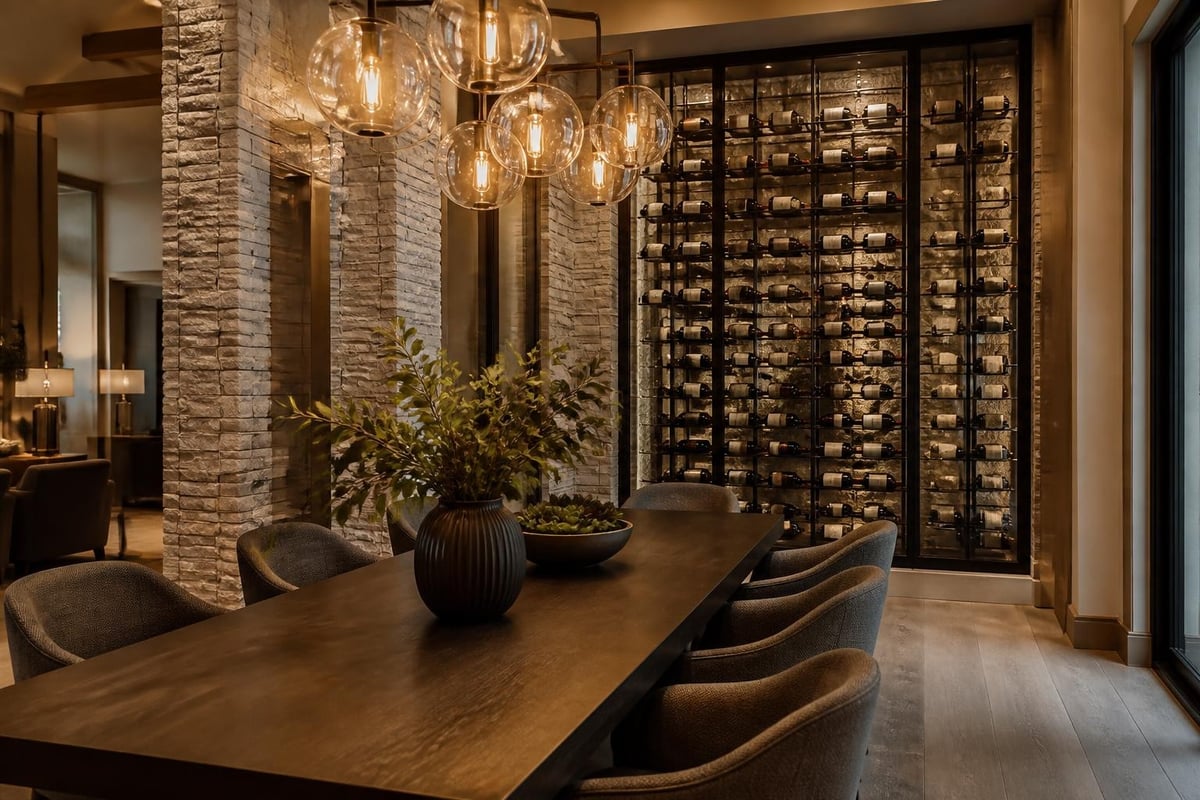
Commercial Applications and Brand Expression
Restaurants, hotels, and wine bars leverage designer storage to communicate quality standards and curatorial expertise. Visible wine displays function as interactive merchandising, encouraging exploration whilst establishing atmospheric ambiance.
Modular systems designed for commercial volume requirements enable efficient inventory management whilst maintaining residential-quality aesthetics. Custom configurations accommodate architectural irregularities, ensuring seamless integration into historic buildings or contemporary constructions alike.
Craftsmanship Standards and Production Methods
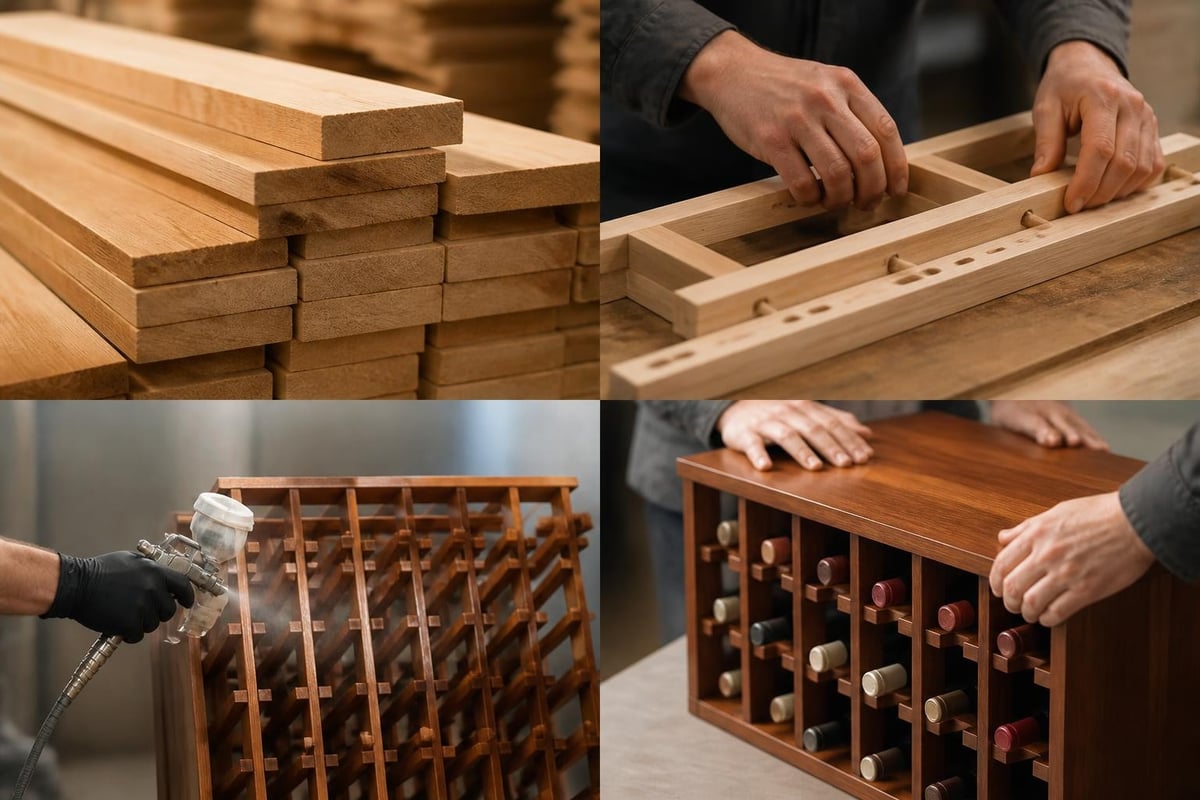
Handcrafted production distinguishes designer pieces from industrial alternatives through superior joinery, material selection, and finish quality. Traditional woodworking techniques create structural integrity surpassing mechanical fastener assemblies.
Made-to-order production allows specification adjustments addressing unique spatial constraints or aesthetic preferences. Custom height modifications, finish variations, and capacity configurations ensure perfect alignment with individual requirements rather than compromising for standardized dimensions.
Finish Options and Maintenance Requirements
Surface treatments significantly influence appearance, durability, and care protocols. Understanding finish characteristics enables informed selection aligned with lifestyle patterns and aesthetic goals.
Natural Oil Finishes
Oil treatments penetrate wood fibers, enhancing grain definition whilst maintaining breathable surfaces. These finishes develop attractive patina over time, celebrating rather than concealing natural aging processes. Maintenance involves periodic reapplication using appropriate wood oils, a straightforward process requiring minimal specialized knowledge.
Lacquer and Varnish Systems
Film-forming finishes provide robust surface protection against moisture and mechanical wear. Contemporary water-based formulations offer environmental advantages over traditional solvent systems whilst delivering excellent durability. These finishes maintain consistent appearance indefinitely with basic dusting protocols.
Finish Type | Visual Character | Maintenance Frequency | Environmental Profile |
|---|---|---|---|
Natural Oil | Matte, grain-enhancing | Annual renewal recommended | Excellent (plant-based oils) |
Water-Based Lacquer | Satin to gloss options | Minimal (dusting only) | Good (low VOC emissions) |
Traditional Varnish | Deep, protective coating | Minimal (dusting only) | Moderate (solvent content) |
Smoked Treatment | Rich, darkened tones | Varies by topcoat | Good (chemical-free process) |
Burnt pine finishes combine charring techniques with protective topcoats, delivering distinctive appearance with practical surface resilience. This traditional Japanese technique (shou sugi ban) enhances wood’s natural preservative properties whilst creating striking visual depth.
For those committed to sustainable living across all household choices, maintaining furniture with eco-friendly products aligns with broader environmental values demonstrated through conscious purchasing decisions.
Space Planning and Capacity Calculations
Determining appropriate wine storage capacity requires analyzing both current collection size and anticipated growth trajectories. Overestimating needs proves preferable to premature capacity constraints requiring secondary purchases.
Standard bottle dimensions and spacing:
Bordeaux bottle: 75mm diameter, 300mm height
Burgundy bottle: 90mm diameter, 315mm height
Champagne bottle: 90mm diameter, 330mm height
Recommended spacing: 100-120mm centres for standard bottles
Modular systems excel in capacity planning, enabling incremental expansion matching collection growth. Initial investments in core modules establish design language, with subsequent additions maintaining aesthetic consistency whilst increasing storage volume.
Vertical Versus Horizontal Orientation
Traditional horizontal racking keeps corks moist through wine contact, essential for natural cork closures. Contemporary designer collections occasionally incorporate vertical display zones for bottles with alternative closures or spirits requiring upright storage. Hybrid approaches optimize storage density whilst accommodating diverse bottle types.
Museliving’s modular wine storage systems exemplify this flexibility, combining Scandinavian design clarity with practical configuration options suitable for residential cellars through to restaurant installations. Handcrafted from premium FSC-certified materials including oak, smoked oak, and pine, these designer wine racks adapt to evolving needs whilst maintaining timeless aesthetic appeal across European interiors.
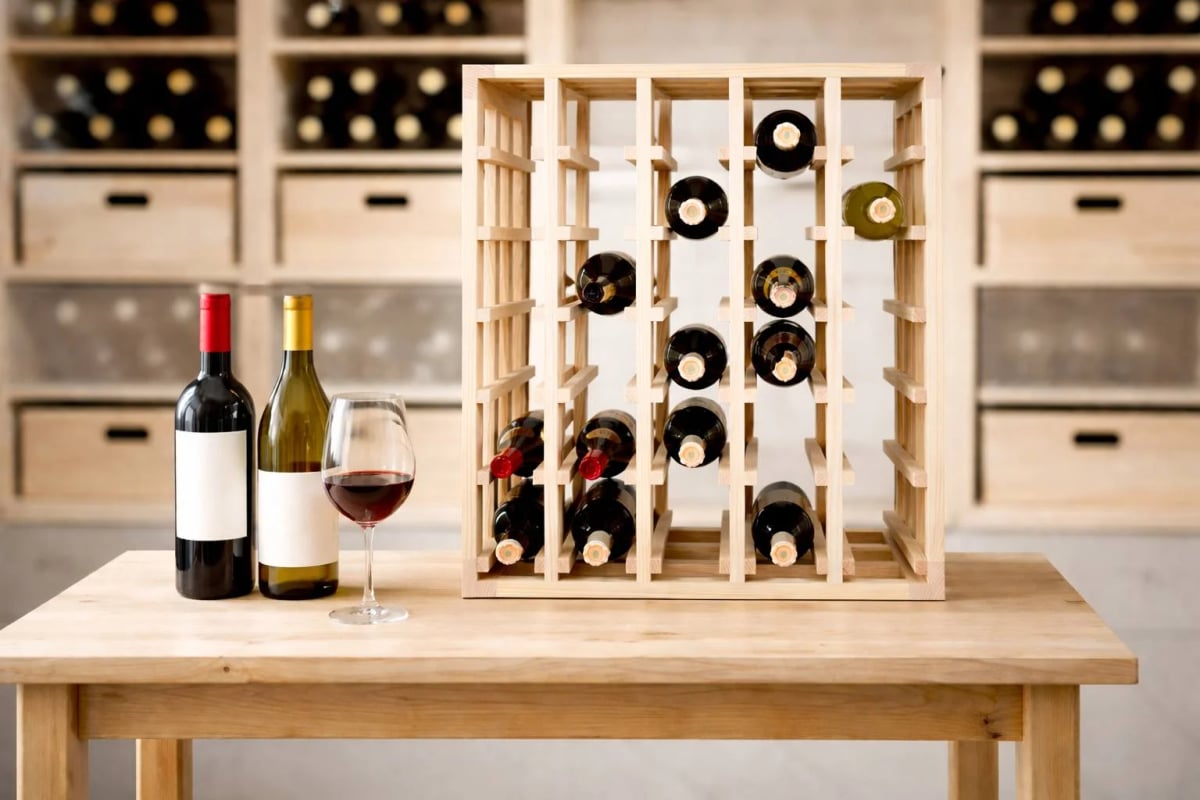
Investment Value and Longevity Considerations
Premium handcrafted furniture represents genuine investment rather than disposable consumption. Properly maintained solid wood pieces appreciate in character whilst retaining functional utility across decades.
Long-term value factors include:
Timeless design immunity to fashion cycle obsolescence
Repairable construction enabling component replacement versus wholesale disposal
Material patina development enhancing rather than diminishing appeal
Modular expandability protecting against changing capacity requirements
Transferable value through resale or intergenerational inheritance
Mass-produced alternatives deliver initial cost advantages but rarely survive beyond single-decade lifespans. Material deterioration, stylistic dating, and structural failure necessitate replacement cycles generating cumulative expense exceeding quality initial investments.
Luxurious Scandinavian-style execution is a niche aesthetic trend, showcasing a market diversity that goes beyond minimalist modern interpretations. Such ornamental approaches are suitable for period interiors or eclectic schemes that celebrate decorative maximalism.
Custom Design Processes and Collaboration
Custom solutions begin with spatial analysis and requirements documentation. Professional fabricators assist clients with material selection, processing specifications, and configuration optimization.
A collaborative approach ensures that end products are perfectly tailored to individual circumstances, rather than compromising on standardized offerings. Custom manufacturing eliminates inventory waste while delivering personalized solutions that reflect the client’s vision.
A designer wine rack transcends simple storage, becoming an architectural statement that reflects personal values around quality, sustainability, and aesthetic sophistication. By prioritizing handcrafted construction, premium materials, and modular flexibility, these pieces deliver lasting value whilst enhancing daily living experiences. Museliving specializes in creating exactly these kinds of considered, sustainable furniture solutions across Europe, combining Scandinavian design principles with exceptional craftsmanship to help you build interiors that endure both functionally and aesthetically.